Begijnhof
4.5
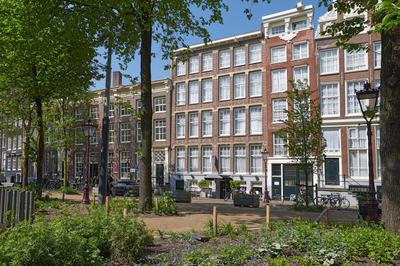
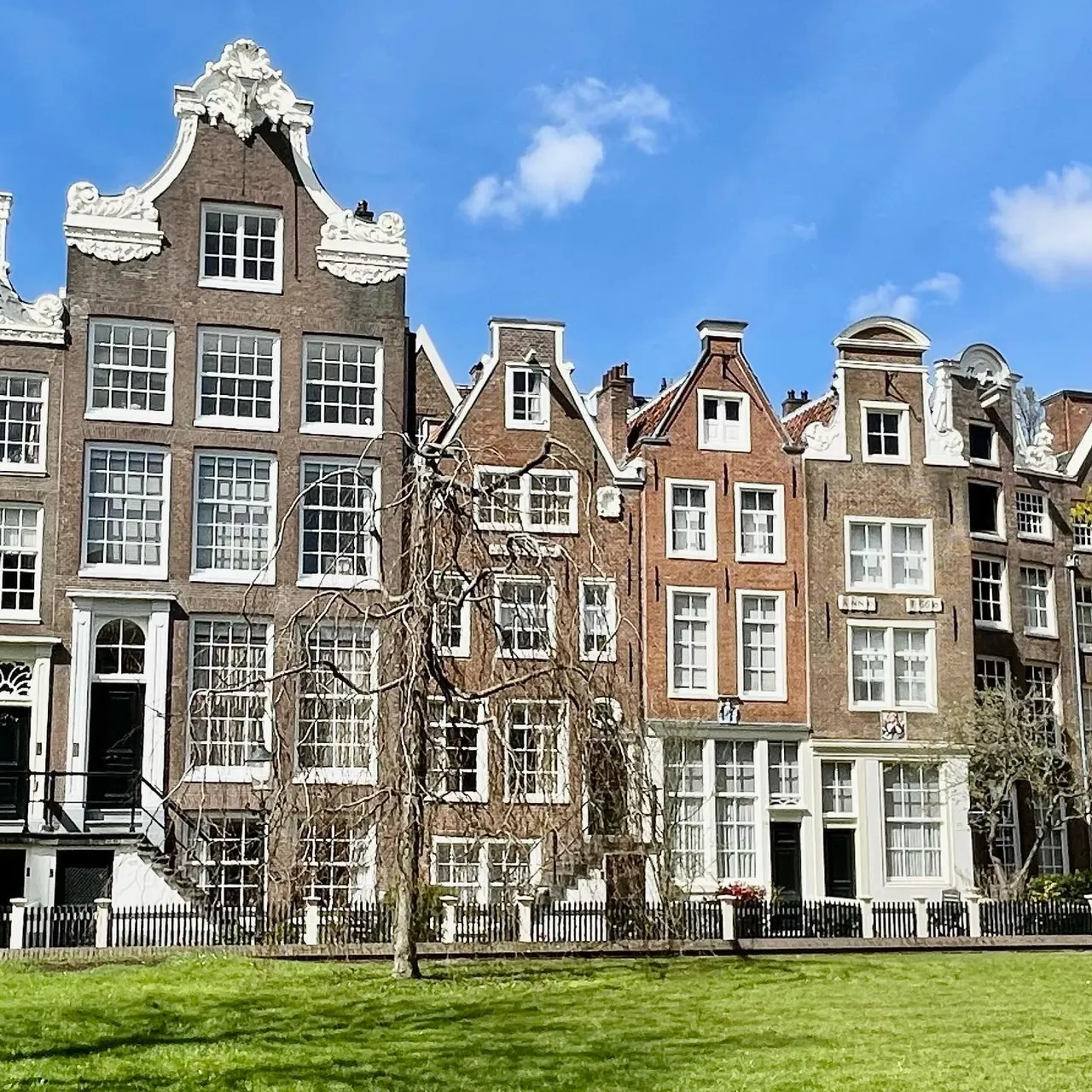
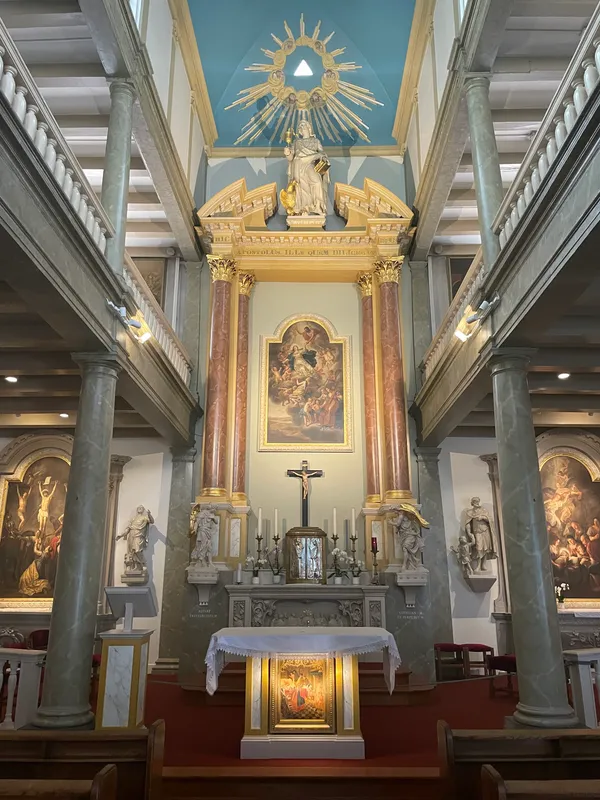
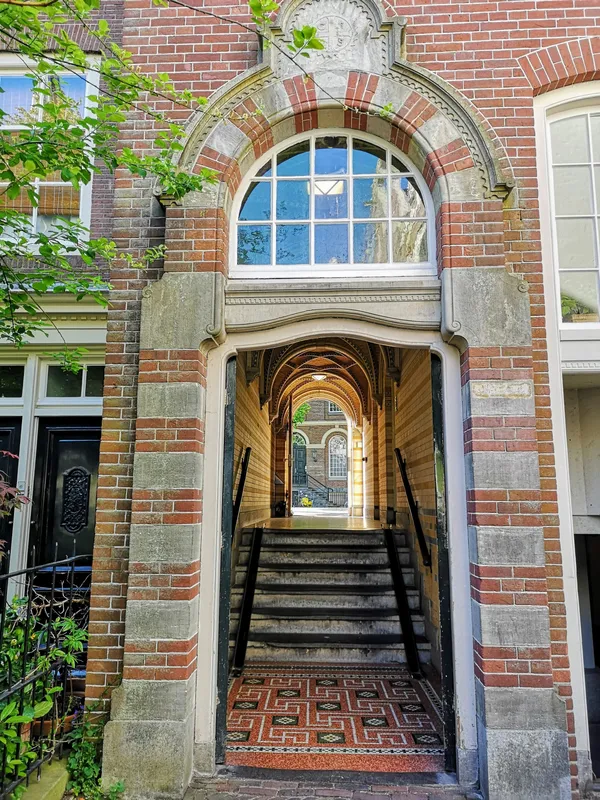
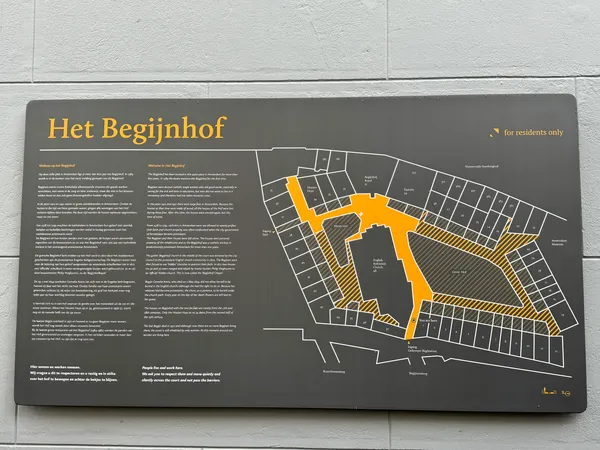
(9.9k)The Begijnhof is a serene, historic inner court in Amsterdam, dating back to the Middle Ages. It was originally a béguinage, a community for religious women, and is now home to private dwellings and two churches. It's a tranquil escape from the city's bustle, with a strict expectation of silence.
Address
Begijnhof 1, 1012 WS Amsterdam, Netherlands
Opening Hours
10:00 AM – 6:00 PM (Tue)
Phone
+31 20 622 1918
Worth it?
Worth it if you're looking for a calm, contemplative oasis
Skip if you prefer lively attractions or struggle with strict rules about quiet
Location
Begijnhof 1, 1012 WS Amsterdam, Netherlands
Nearby places
See more

Highlights
The ancient, restored wooden house (Het Houten Huys) at 34 Begijnhof is one of only two wooden houses still standing in central Amsterdam, dating from around 1420.
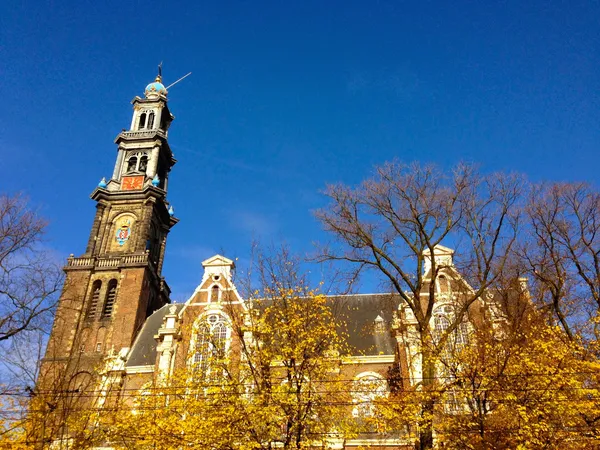
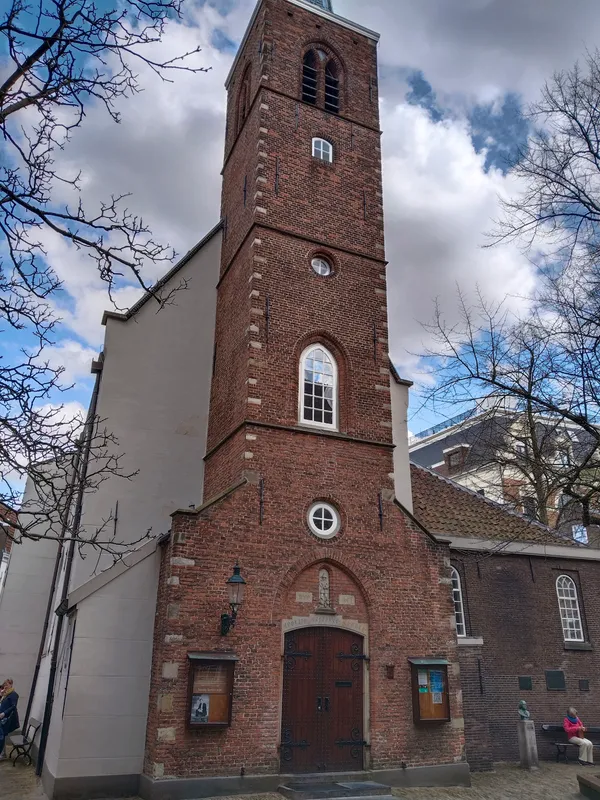
You'll find two churches within the court: the Catholic Miracle Church and the English Reformed Church, which was once a clandestine Catholic church.
The court features numerous gable stones, many with strong Roman Catholic imagery.
Nearby eats
See more eats



Who it's for
This spot is ideal for anyone seeking a quiet moment of reflection, history buffs, and those interested in religious tolerance. It's also suitable for solo travelers or small groups who appreciate a peaceful atmosphere.
Nearby stays
Reviews
4.5
Exceptional
5 ReviewsVisitors love the Begijnhof for its quiet, historical charm and the sense of calm it provides. Many appreciate the free entry and the unique historical context, though some note the need for respectful silence due to it being a residential community.
Fun facts
The Begijnhof is the only inner court in Amsterdam founded during the Middle Ages and lies at medieval street level, a meter below the rest of the old city center.
The Begijnhof was the only Roman Catholic institution allowed to remain in existence after Amsterdam came under Calvinist rule in 1578.
The most famous beguine, Cornelia Arens, who died in 1654, chose to be buried in the court's gutter rather than the chapel, which she considered "desecrated" by Presbyterians.