Mount Fuji
4.6
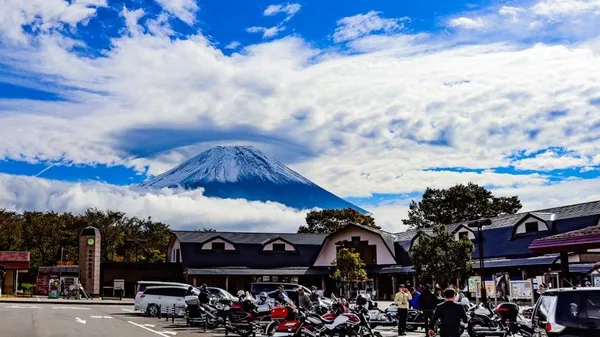
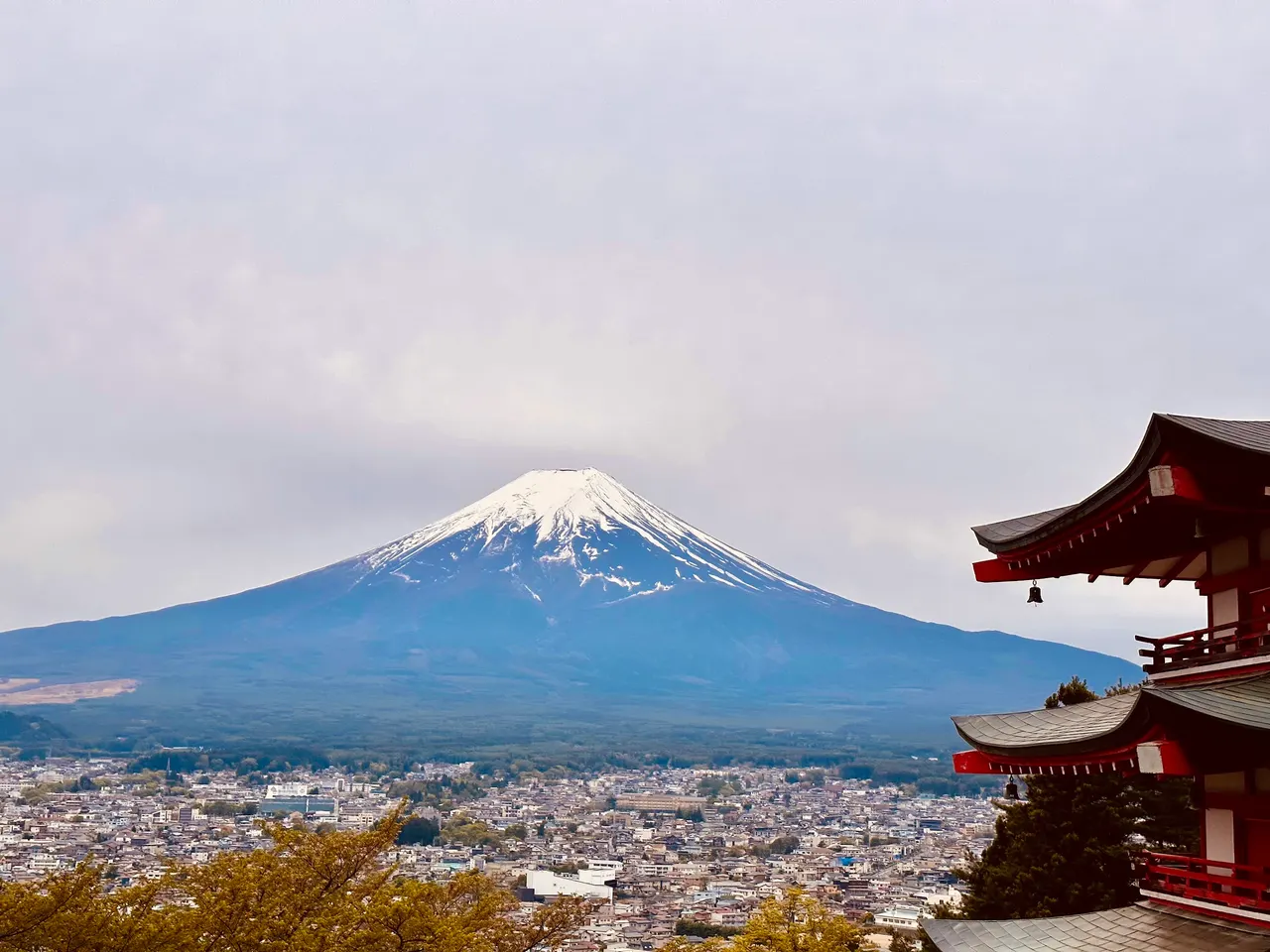
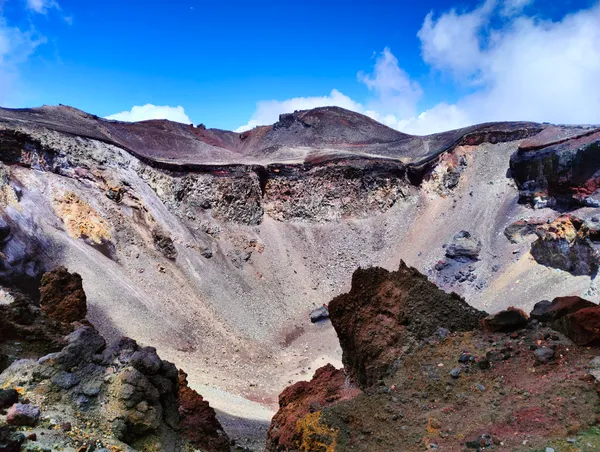
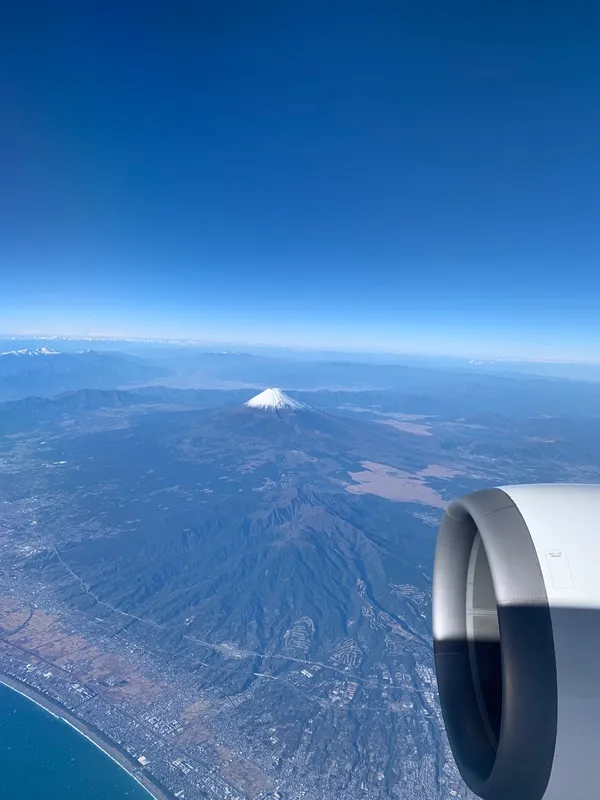
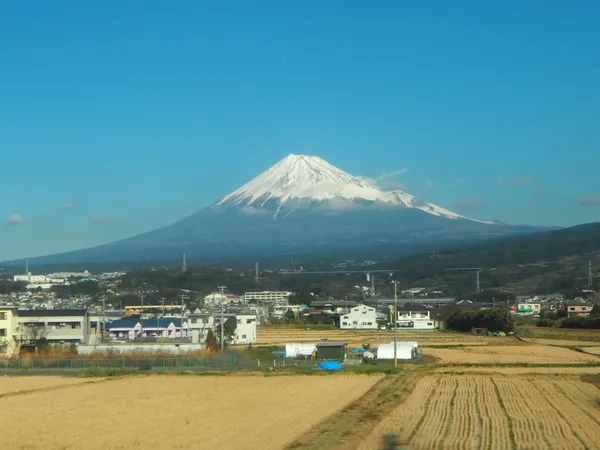
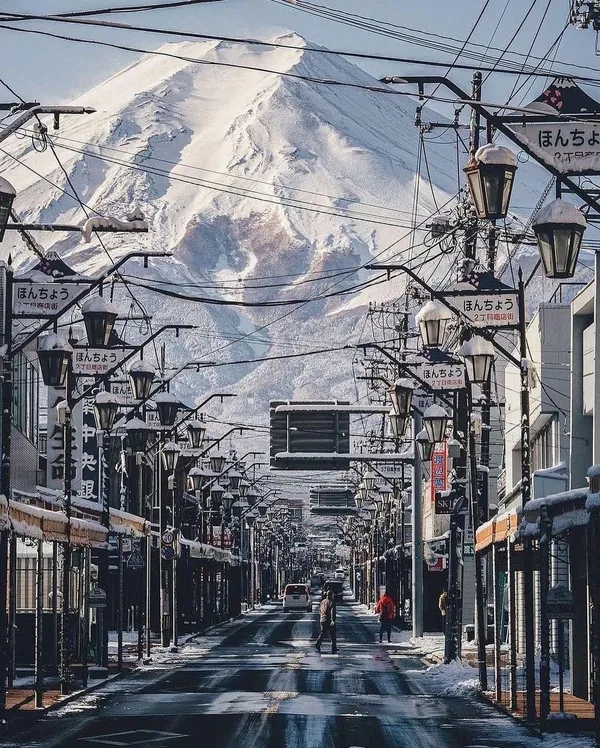
(13.3k)Mount Fuji is an active stratovolcano and Japan's highest mountain, known for its exceptionally symmetrical, snow-capped cone. It's a cultural icon, frequently appearing in art and photography, and draws sightseers, hikers, and mountain climbers. Visible from Tokyo on clear days, it's a significant natural landmark.
Address
Mount Fuji, Kitayama, Fujinomiya, Shizuoka 418-0112, Japan
Worth it?
Worth it if you're prepared for a strenuous but rewarding journey, especially for the sunrise views from the summit
Skip if you're not up for crowds or unpredictable weather
Location
Mount Fuji, Kitayama, Fujinomiya, Shizuoka 418-0112, Japan
Highlights
The night climb offers a magical experience with stars overhead and a line of headlamps snaking up the mountain.
Reaching the summit for Goraikō, Japan’s sacred sunrise, is described as an unforgettable and awe-inspiring moment.
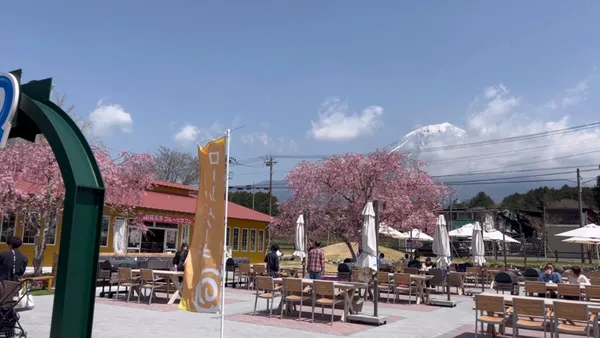
The mountain's beauty is stunning from every angle, particularly on a clear day or during sunrise and sunset, whether viewed from the 5th Station or Lake Kawaguchi.
Who it's for
This is for adventurers seeking a challenging climb, photographers chasing iconic views, and anyone looking for a deeply spiritual or awe-inspiring natural experience.
Know before you go
The official climbing season is short, from early July to early September, with exact dates varying by trail and year.
Temperatures at the summit can drop below freezing at night, even in summer, so dress warmly.
Altitude sickness and breathing difficulties are possible near the top due to thinner air.
Weekends and the Obon holiday period are particularly busy, so consider a weekday visit outside the Japanese school holidays (late July to late August) to avoid crowds.
Reviews
4.6
Exceptional
5 ReviewsReviewers consistently describe Mount Fuji as a breathtaking and unforgettable experience, highlighting the magical sunrise from the summit as a major draw. Many note the climb is a test of endurance, with the descent being particularly challenging, and advise being prepared for cold temperatures and potential cloud cover.
Fun facts
Mount Fuji is the seventh-highest peak of an island on Earth and last erupted between 1707 and 1708.
It is one of Japan's "Three Holy Mountains" and was added to the UNESCO World Heritage List as a Cultural Site in 2013.
The base of the mountain was historically used as a remote training area for ancient samurai.