Gujo Hachiman Castle
4.2
(5.9k)Gujo Hachiman Castle is a hilltop castle originally built in 1559, offering 360-degree views of the surrounding valley. While not an original structure, its interior has been rebuilt using wood instead of concrete. The castle houses a museum with interesting artifacts, though exhibits are in Japanese.
Address
Japan, 〒501-4214 Gifu, Gujo, Hachimanchō Yanagimachi, 659 一の平 659
Website
Opening Hours
9:00 AM – 4:30 PM (Thu)
Phone
+81 575-67-1819
Worth it?
Worth it for the stunning views and the unique wooden interior
Skip if you're looking for an original castle or extensive English explanations
Location
Japan, 〒501-4214 Gifu, Gujo, Hachimanchō Yanagimachi, 659 一の平 659
Nearby places
See more
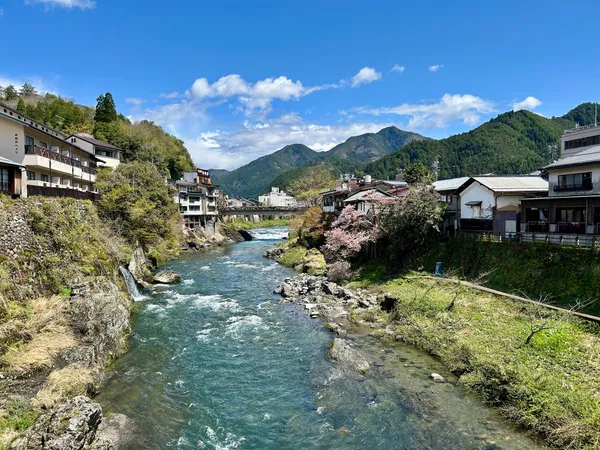
Highlights
The walk around the outer wall provides gorgeous views, as do the panoramic vistas from the tower.
The castle's interior is rebuilt with wood, giving it a distinct feel compared to concrete reconstructions.
Who it's for
This castle is for anyone who appreciates historic architecture, enjoys scenic views, and doesn't mind a walk uphill. It's also suitable for families with children.
Explore more near Gujo Hachiman Castle
Know before you go
The road leading uphill to the castle is narrow and one-way, so drive carefully if you choose to go by car.
The slope path to the castle is shared with cars, so be mindful of traffic if walking.
If you take the stairs up to the castle, be aware that they are quite uneven.
Reviews
4.2
Very good
5 ReviewsVisitors love the stunning views of the town and countryside from this historic wooden castle. They appreciate the well-maintained grounds, the opportunity to learn about its history, and the helpful staff. The free parking is also a plus.
Fun facts
The original castle was built in 1559 by Endo Morikazu and was later torn down during the Meiji Restoration.
The current castle is a reconstruction from 1933, making it the oldest wooden reconstructed castle in Japan.
Its location on Mount Hachiman, near the confluence of two rivers, provided natural defenses and commanded important trade routes.