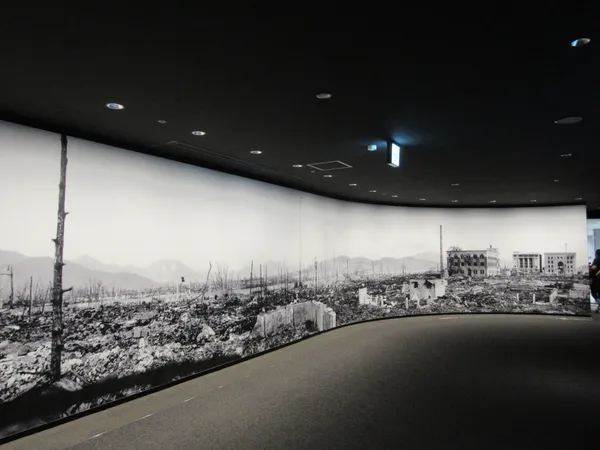
Hiroshima Peace Memorial Museum
4.7
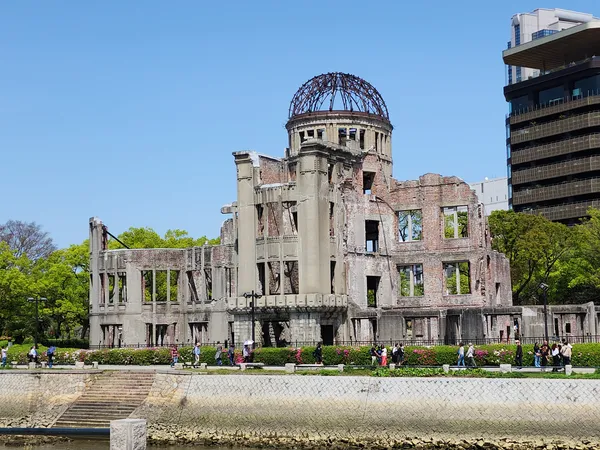
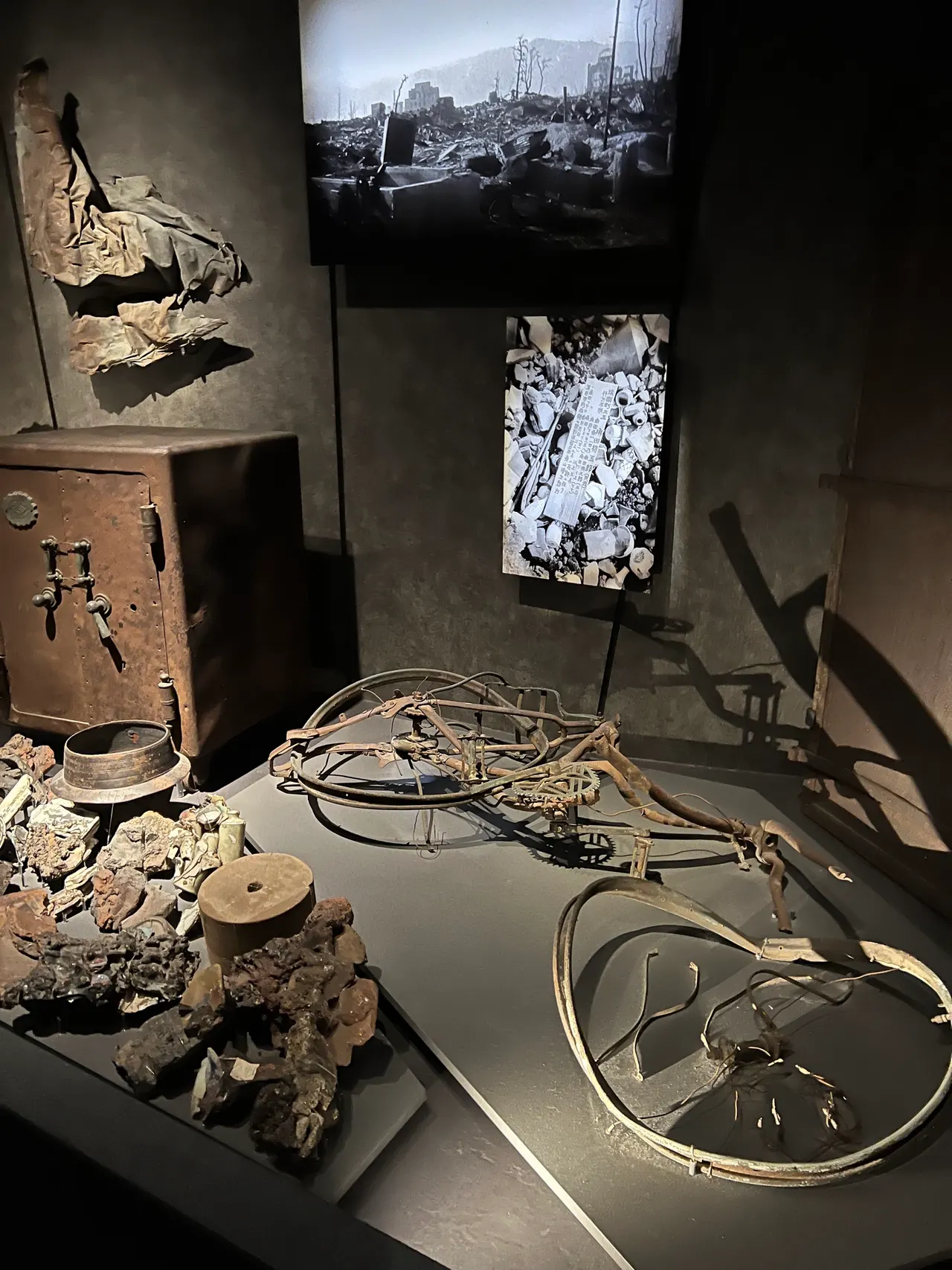
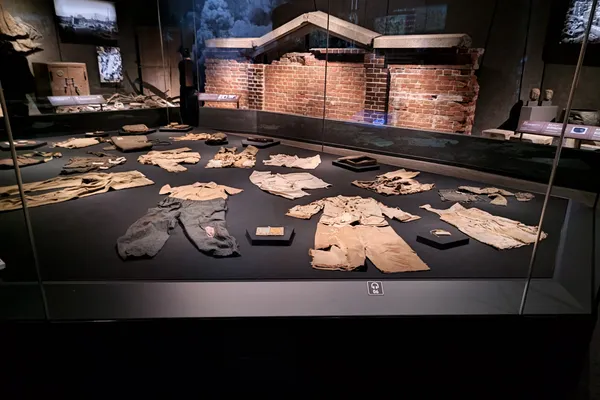
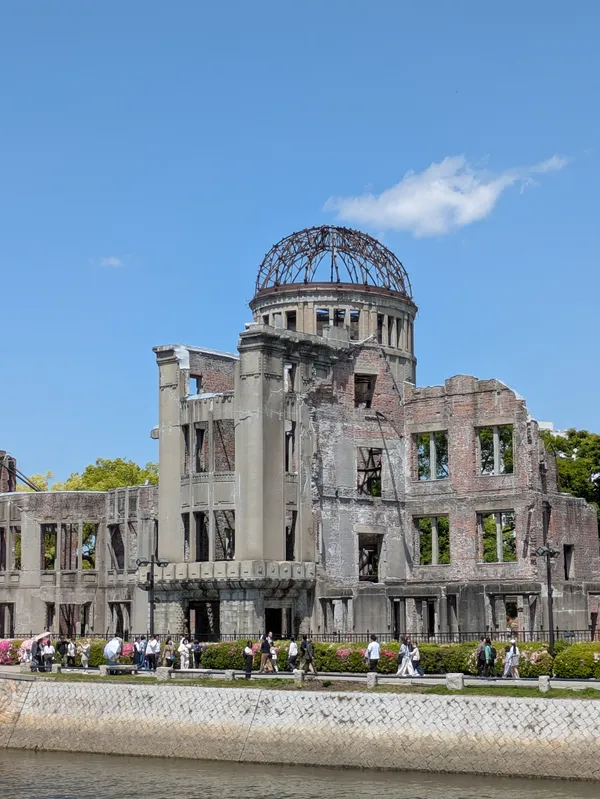
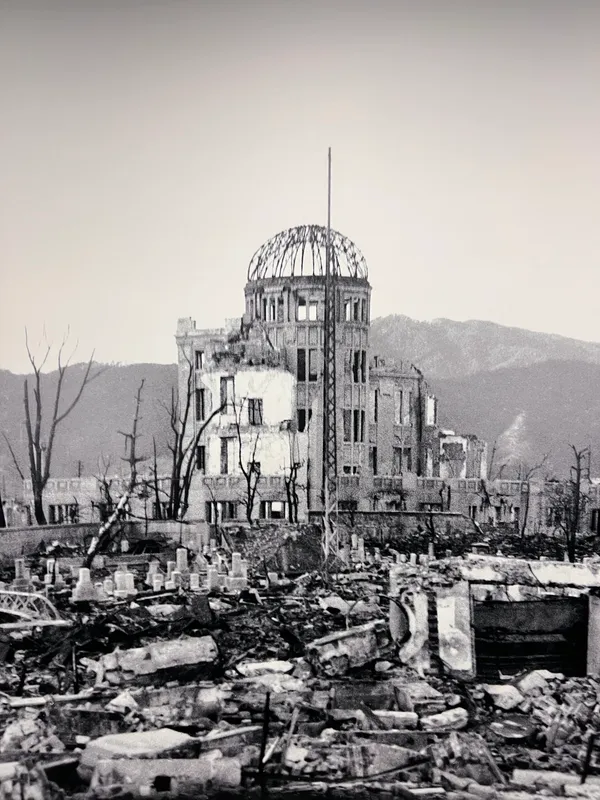
(27.7k)This popular museum documents the atomic bombing of Hiroshima during World War II through exhibits, artifacts, and talks. It collects and displays belongings left by victims, photos, and other materials that convey the horror of the event, alongside exhibits describing Hiroshima before and after the bombings. The museum also presents the current status of the nuclear age and efforts for international peace.
Address
1-2 Nakajimachō, Naka Ward, Hiroshima, 730-0811, Japan
Website
Opening Hours
7:30 AM – 7:00 PM (Thu)
Phone
+81 82-241-4004
Worth it?
Worth it if you're prepared for a deeply moving and somber experience that will make you reflect on humanity and the fragility of life
Skip if you are not ready for emotionally intense content
Location
1-2 Nakajimachō, Naka Ward, Hiroshima, 730-0811, Japan
Nearby places
See more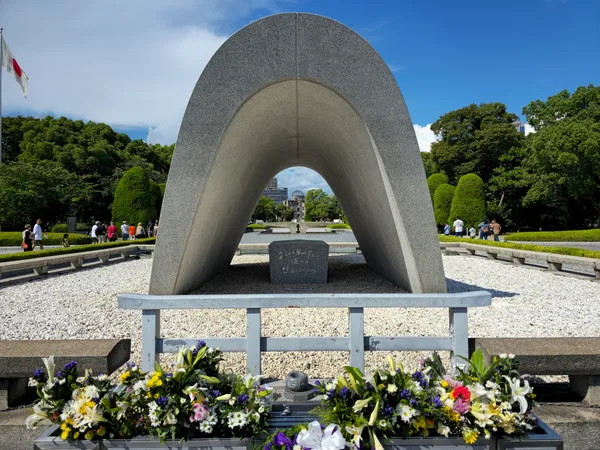
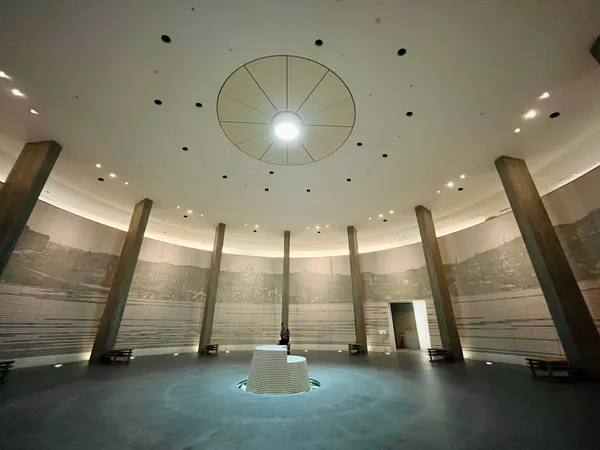
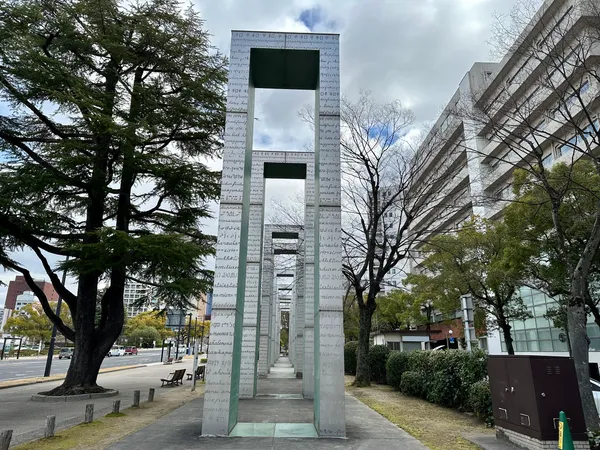
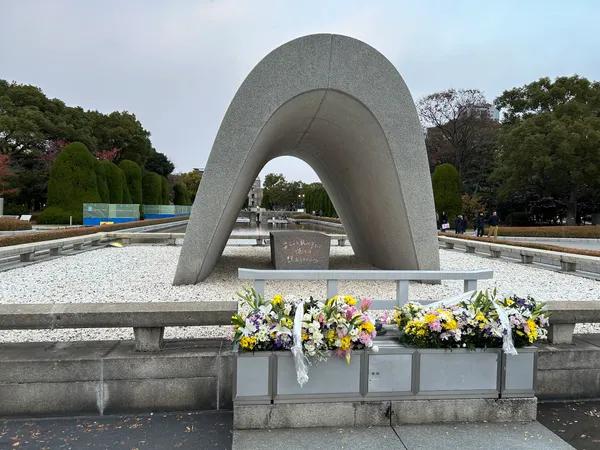
Highlights
The exhibits include personal belongings of victims, graphic photos, and testimonies from descendants of those affected, which many reviewers found particularly impactful.
The museum's layout is well-maintained and organized, guiding visitors through the devastating impact of the atomic bomb and the resilience of the people of Hiroshima.
Nearby eats
See more eats
Who it's for
Anyone seeking a powerful and emotional historical experience, especially those interested in the human impact of war and the pursuit of peace. It's also suitable for families, as it's considered good for children.
Know before you go
Tickets are easy to purchase directly at the counter, or you can buy them online in advance for a smoother process.
Nearby stays
Reviews
4.7
Exceptional
5 ReviewsVisitors consistently find the Hiroshima Peace Memorial Museum to be a powerful and emotional experience, highlighting its detailed exhibits, personal stories, and strong message of peace. Many recommend taking your time and being prepared for the intense content, noting that it can be very crowded during peak times.
Fun facts
The museum was established in August 1955 and was designed by architect Kenzō Tange.
Between 1955 and 2005, 53 million people visited the museum, averaging over one million visitors annually.
The museum underwent major renovations, with the East Wing reopening in 2017 and the Main Hall in 2019, to feature more interactive displays and focus on victims' belongings.