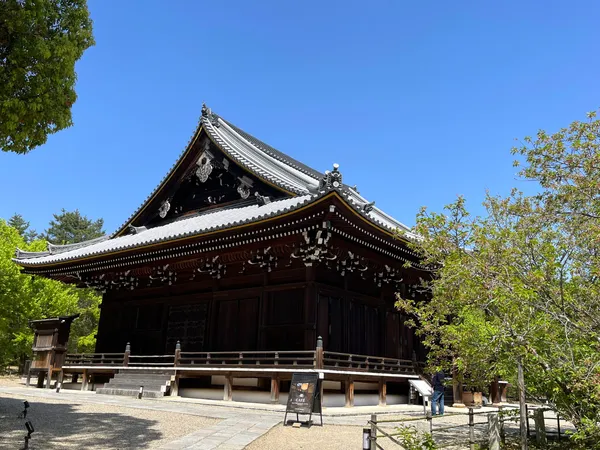
Ninna-ji Temple
4.4
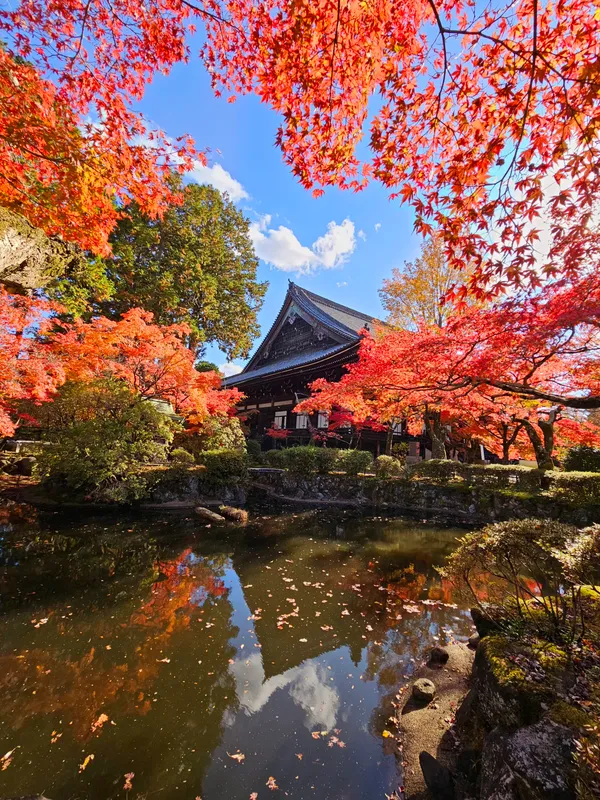
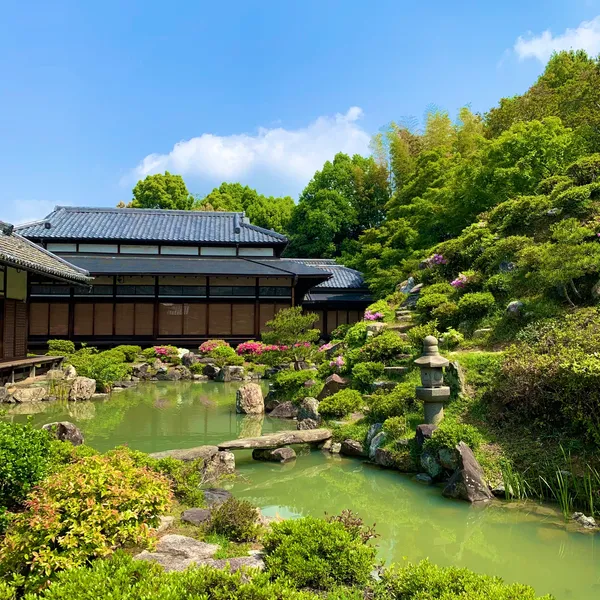
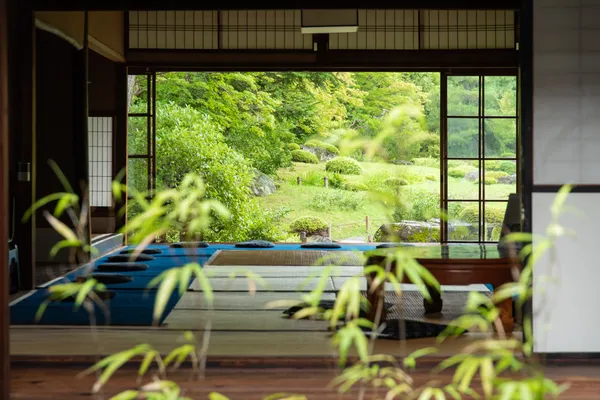
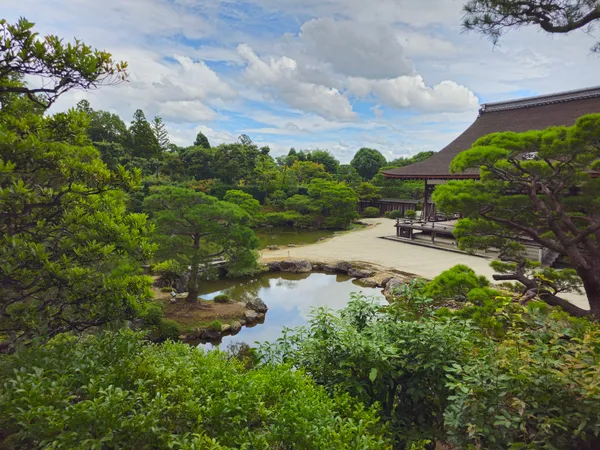
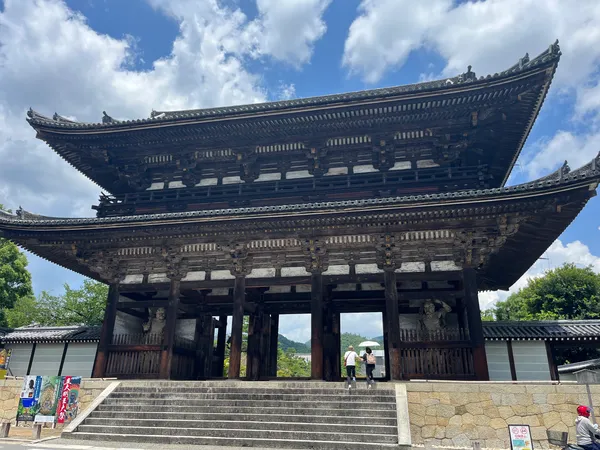
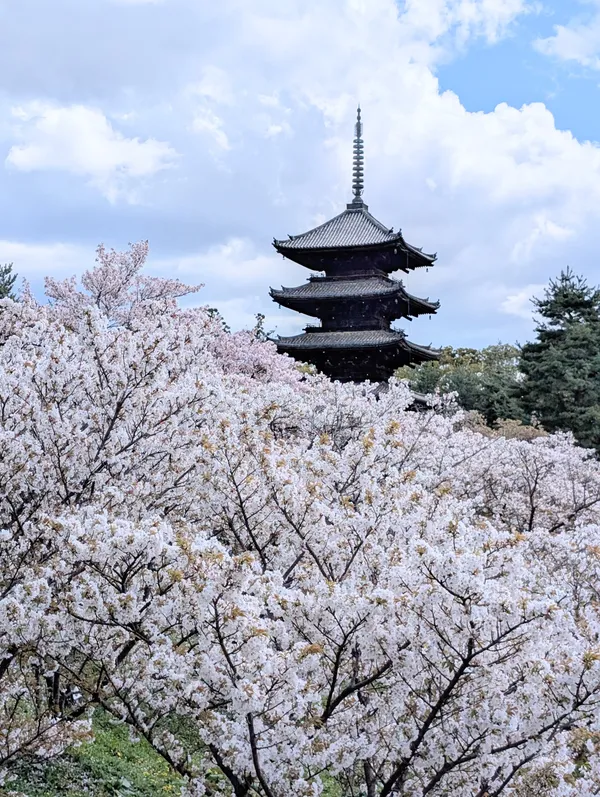
(7.5k)Ninna-ji is a historic Buddhist temple in western Kyoto, founded in 888 by Emperor Uda and later reconstructed in the 17th century. It's a UNESCO World Heritage Site known for its traditional architecture, including a five-story pagoda and a former imperial residence. The temple complex is spacious, offering quiet gardens and a peaceful atmosphere.
Address
33 Omuroōuchi, Ukyo Ward, Kyoto, 616-8092, Japan
Website
Opening Hours
9:00 AM – 5:00 PM (Tue)
Phone
+81 75-461-1155
Worth it?
Worth it if you appreciate historic temples and tranquil gardens
Skip if you're looking for intense autumn foliage or a quick, cheap visit
Location
33 Omuroōuchi, Ukyo Ward, Kyoto, 616-8092, Japan
Nearby places
See more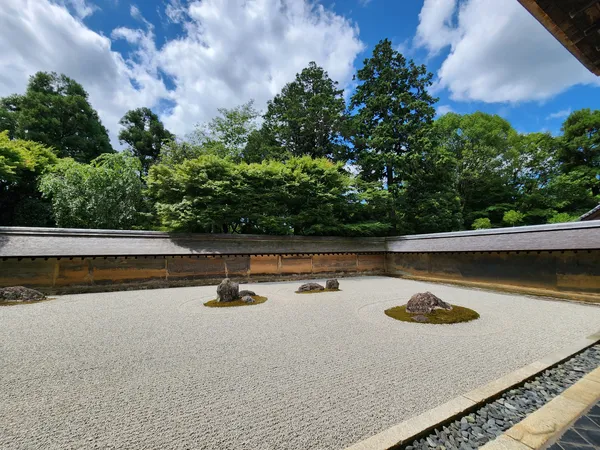
Highlights
The temple is famous for its late-blooming dwarf cherry trees, known as Omuro cherry trees, which grow to about 2–3 meters in height.
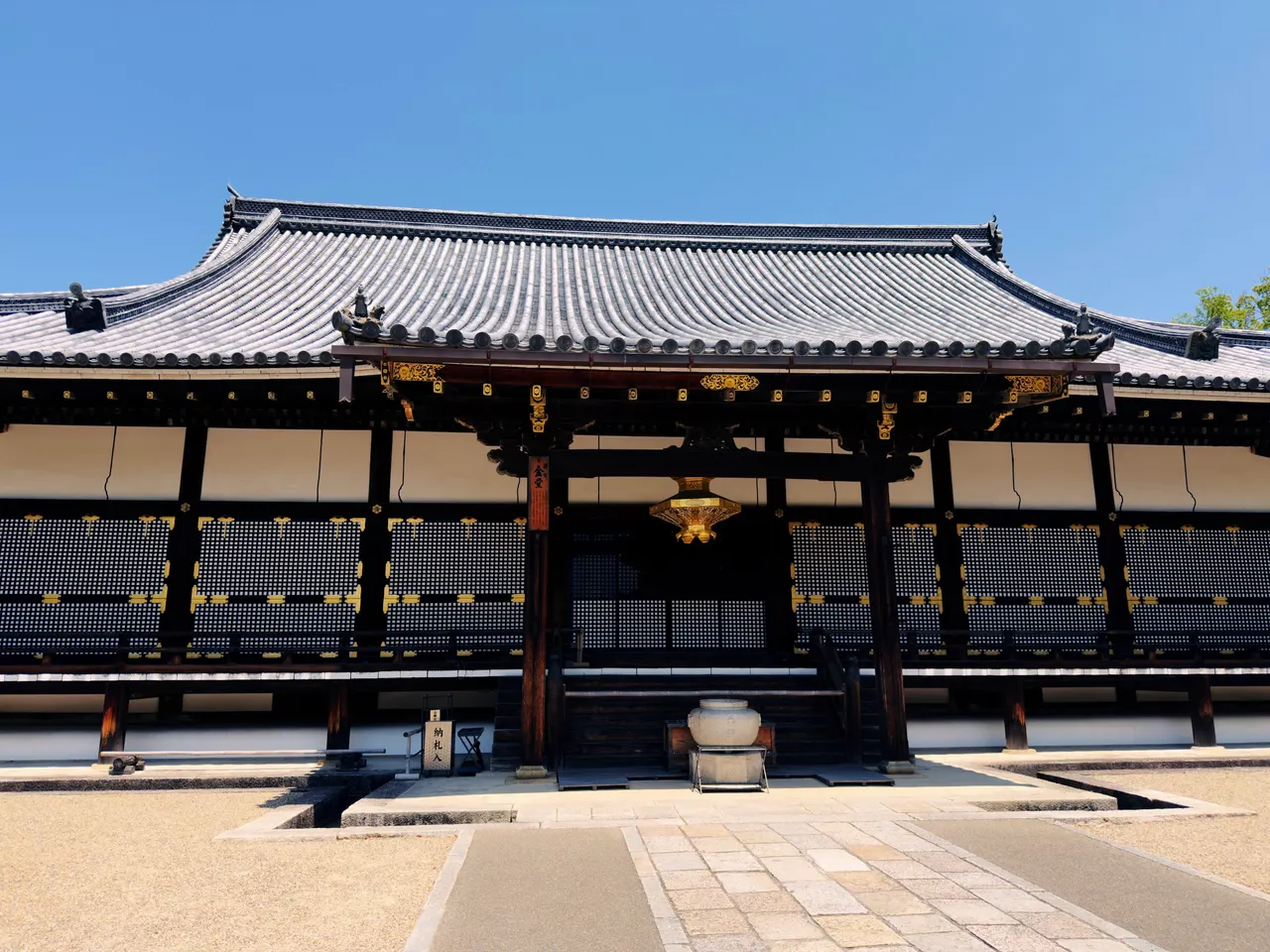
The Kondō, originally the main hall of the Kyoto Imperial Palace, was relocated here in the 17th century and is an important example of early modern Shinden-zukuri architecture.
Nearby eats
See more eats

Who it's for
This temple is ideal for anyone seeking a strong sense of cultural heritage and a relaxed atmosphere away from the usual crowds. It's a great stop for those exploring the western side of Kyoto, especially if visiting nearby Kinkaku-ji.
Know before you go
Wheelchair accessible parking and restrooms are available, but the entrance is not wheelchair accessible.
Nearby stays
Reviews
4.4
Very good
5 ReviewsVisitors generally find Ninna-ji Temple to be a beautiful and peaceful place with impressive gardens, a five-story pagoda, and a former imperial residence. Many highlight the tranquil atmosphere and spacious grounds, making it ideal for a relaxed visit. Some note that special exhibition tickets might not be worth the extra cost.
Fun facts
Ninna-ji was a monzeki temple, meaning it had deep ties to the Imperial family and its abbots were often descendants of Emperor Uda.
The temple was completely destroyed during the Ōnin War (1467-1477) but was later reconstructed in the 17th century.
The main hall, Kondō, was originally the Shishinden of the Kyoto Imperial Palace, built in 1613, and was relocated to the temple grounds during the Kan'ei era.