Nigatsu-do
4.6
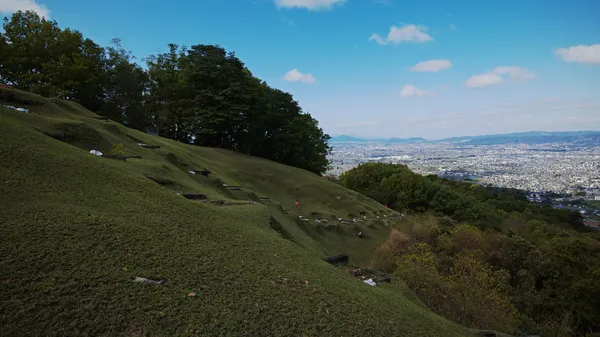
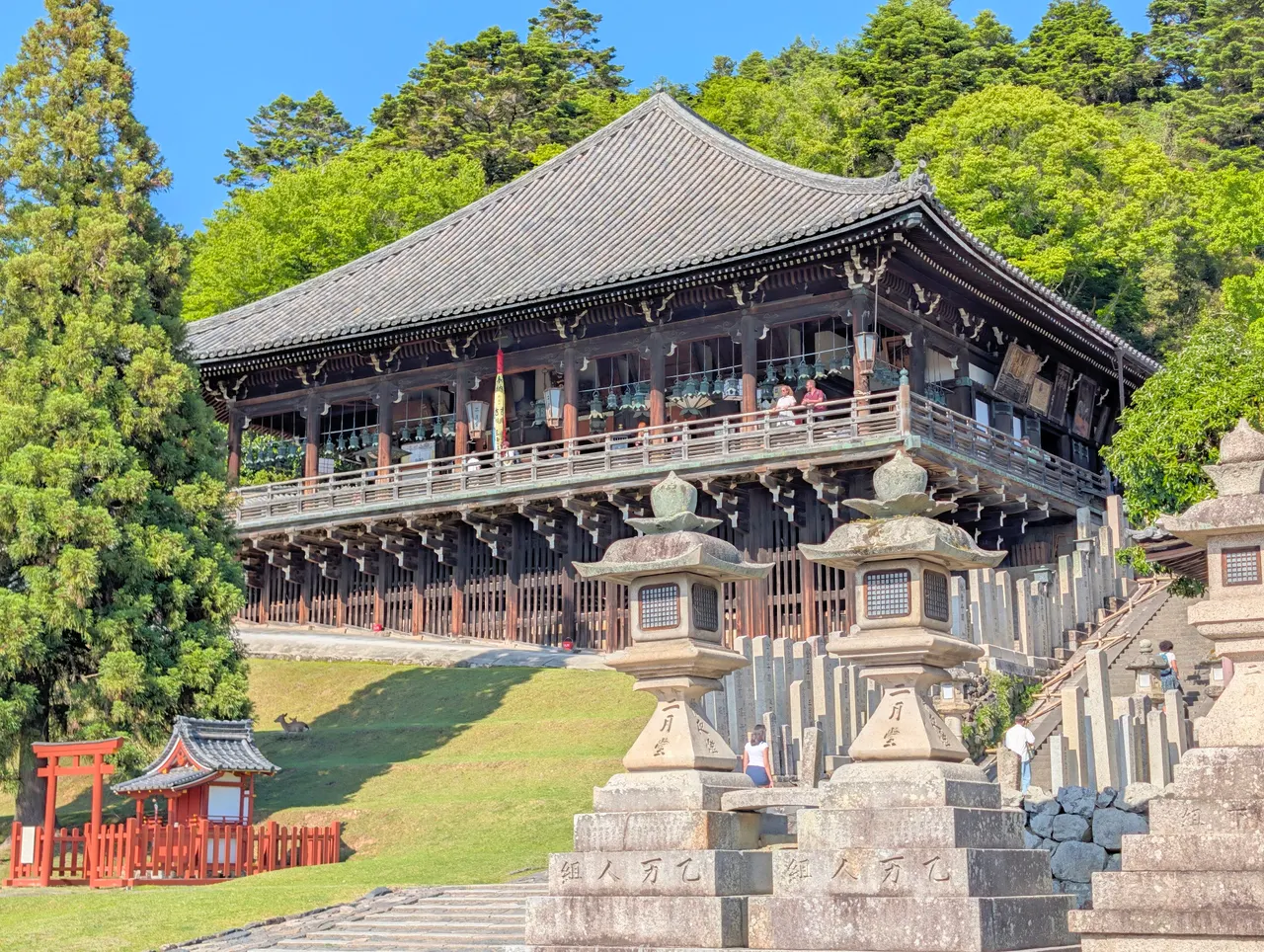
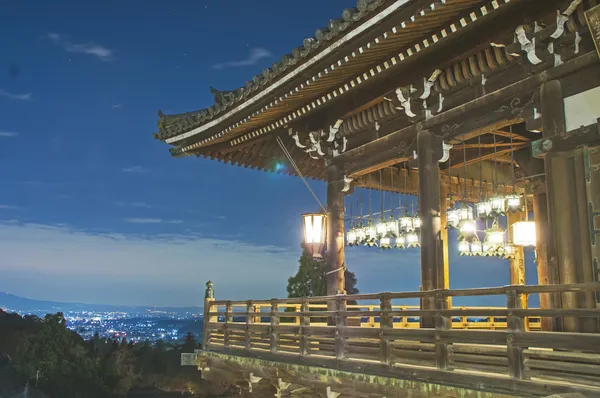
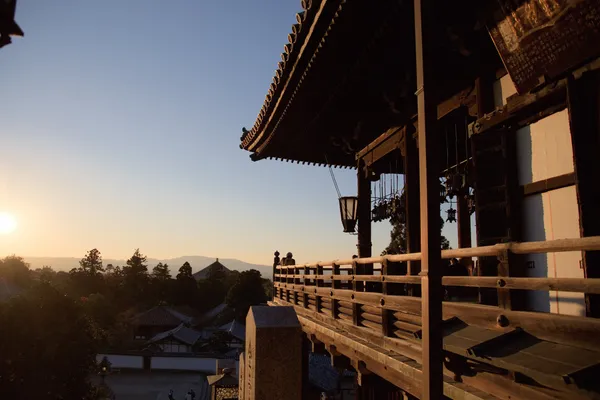
(3.5k)Nigatsu-do is a hilltop hall that is part of the larger Tōdai-ji Buddhist temple complex. It offers sweeping panoramic views of Nara from its balcony and is known for its fascinating wooden architecture. The temple is free to enter and provides a peaceful escape from crowds.
Address
406-1 Zōshichō, Nara, 630-8211, Japan
Opening Hours
OPEN 24 HOURS (Fri)
Phone
+81 742-22-3386
Worth it?
Worth it for the magnificent views and serene atmosphere, particularly around sunset
Skip if you're looking for a bustling, high-energy attraction
Location
406-1 Zōshichō, Nara, 630-8211, Japan
Nearby places
See more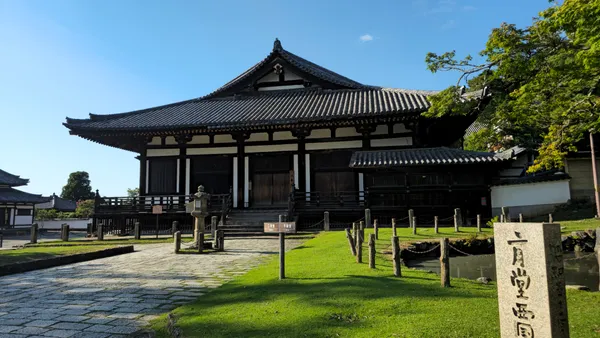
Highlights
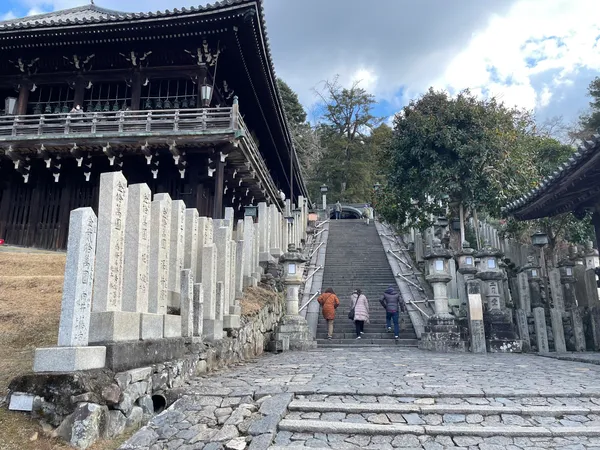
The walk up to the hall is memorable, featuring a charming cobblestone pathway and a steep staircase lined with stones inscribed with kanji dedications.
A small rest area near the restrooms offers complimentary tea and is decorated with old photographs of the temple, adding to the historical ambiance.
The front part of the hall projects out over a sloping area, supported by columns using the kakezukuri technique.
Nearby eats
See more eats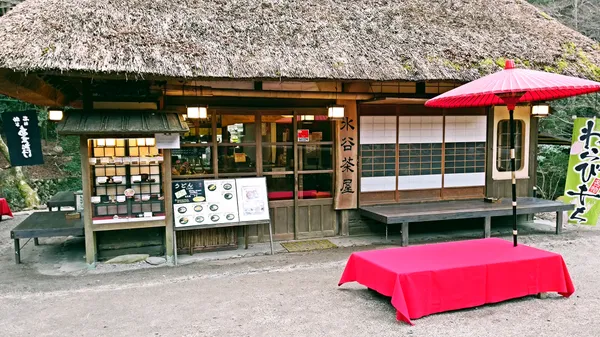
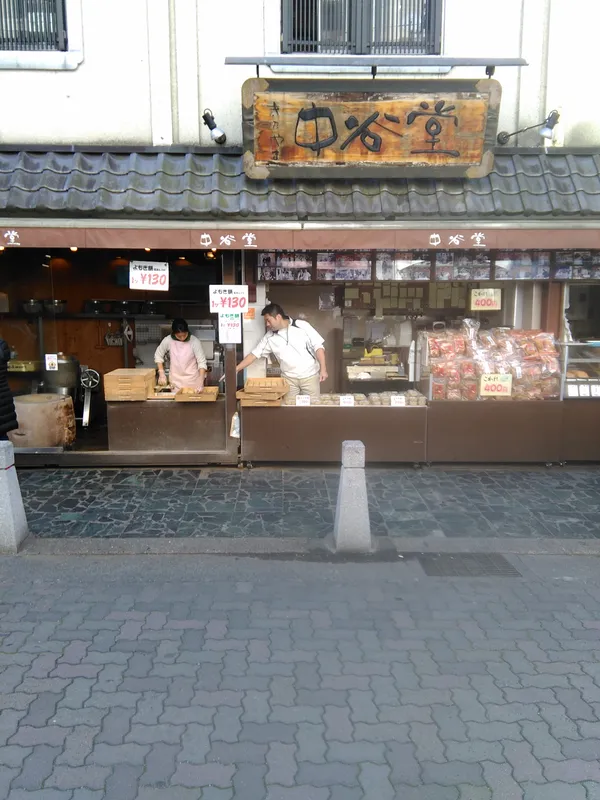
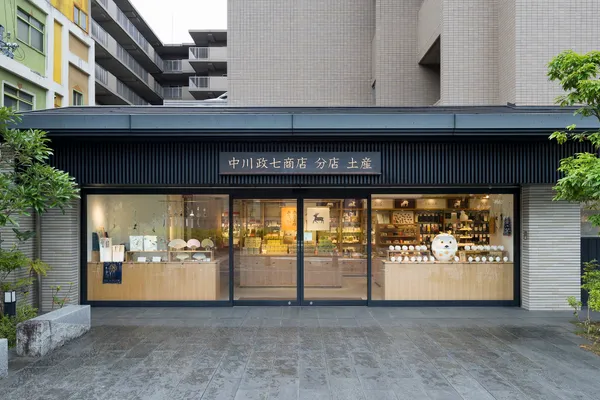
Who it's for
This spot is ideal for anyone seeking a peaceful, historical experience with great views, especially those who appreciate traditional Japanese architecture and a quiet atmosphere. It's also good for families.
Know before you go
The temple is open 24 hours a day, every day of the week.
Nearby stays
Reviews
4.6
Exceptional
5 ReviewsVisitors consistently highlight the magnificent panoramic views of Nara, particularly at sunset, and the temple's fascinating wooden architecture. The peaceful and quiet atmosphere is also frequently mentioned as a welcome escape from crowds, along with the free entry and complimentary tea in the rest area.
Fun facts
Nigatsu-do was founded by the monk Sanetada in 752 CE, and while the main structure was destroyed by fire in 1667, it was rebuilt two years later.
The hall holds two "secret Buddhas" (Hibutsu) of Kannon that are not publicly displayed.
An annual repentance service, Shuni-e, also known as Omizutori, has been held here without interruption since 760 CE.