Cimetière du Père-Lachaise
4.6
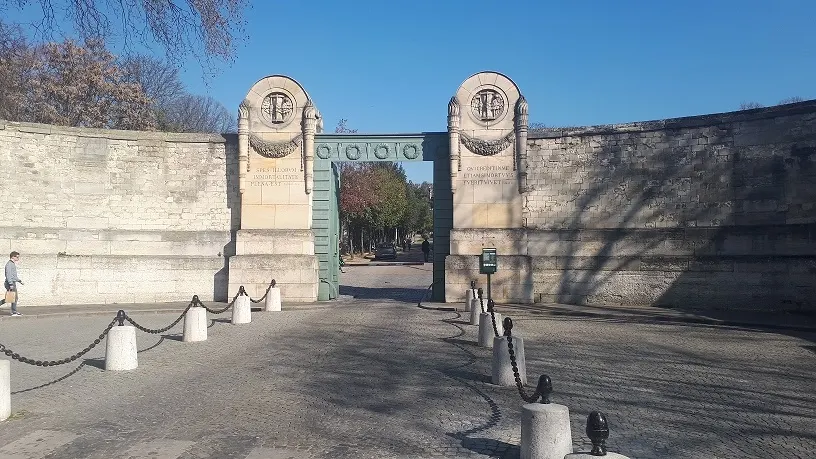
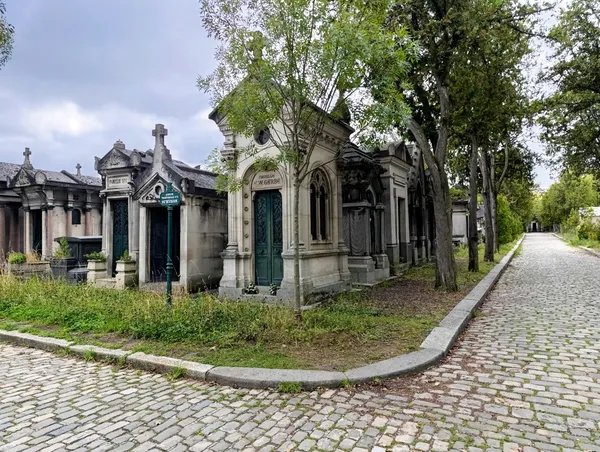
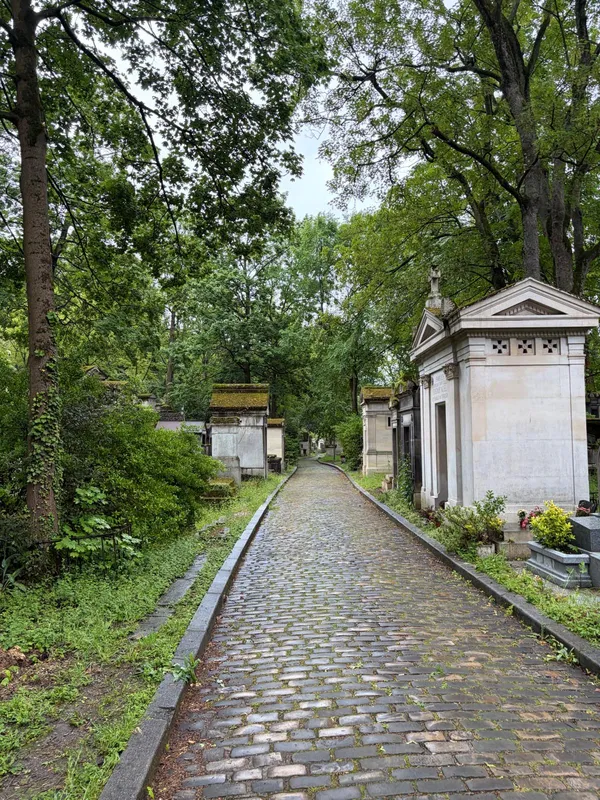
(4.5k)Père Lachaise is the largest cemetery in Paris, spanning 110 acres with over a million burial sites. It was the city's first garden cemetery, designed with uneven paths, diverse trees, and carved graves. The site also holds three World War I memorials.
Address
75020 Paris, France
Opening Hours
8:00 AM – 6:00 PM (Thu)
Phone
+33 1 55 25 82 10
Worth it?
Worth it if you appreciate a deeply atmospheric and historic walk
Skip if you're looking for a quick visit, as its vastness requires time to explore
Location
75020 Paris, France
Nearby places
See more

Highlights
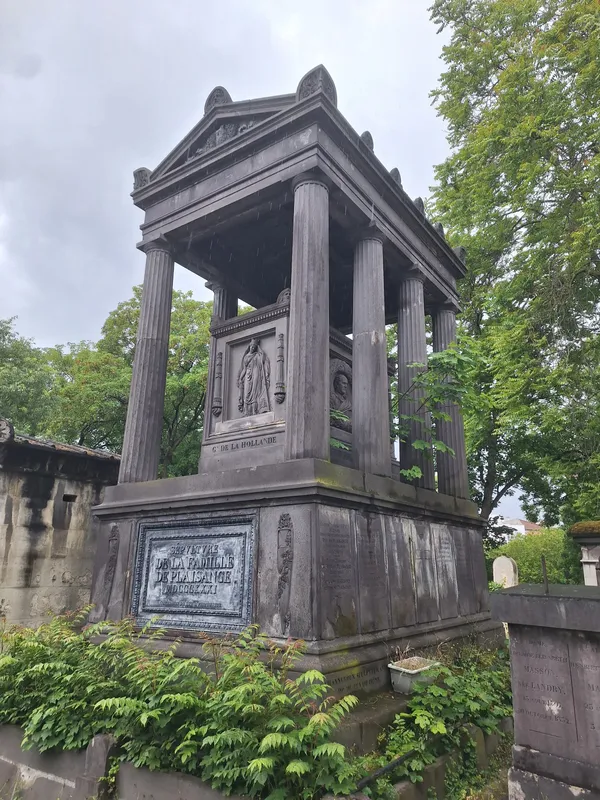
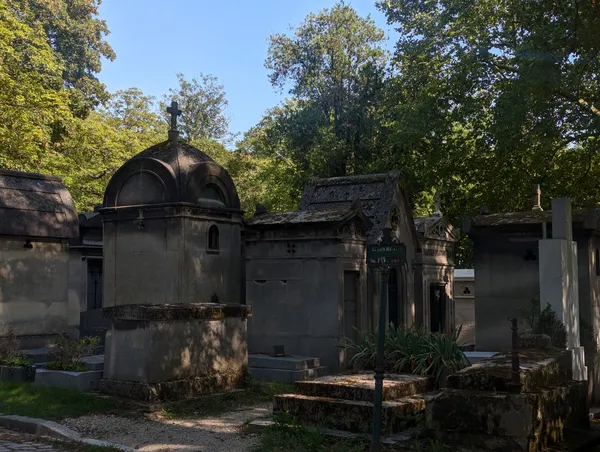
The cemetery houses elaborate above-ground mausoleums that showcase various artistic and architectural styles from different centuries and religions.
You can find the tombs of numerous famous figures, including Oscar Wilde, Jim Morrison, Honoré de Balzac, Sarah Bernhardt, Molière, and Édith Piaf.
The Communards' Wall within the cemetery is a significant historical site where 147 Communards were executed in 1871.
Nearby eats
See more eats
Who it's for
Anyone interested in history, art, and architecture, or those seeking a calm, reflective experience. It's also suitable for families, with many visitors bringing children.
Know before you go
The cemetery is vast, so plan to spend a while exploring; it's easy to get lost if you're trying to find specific tombs without a map.
Nearby stays
Reviews
4.6
Exceptional
5 ReviewsVisitors find Père Lachaise an unforgettable and deeply atmospheric place, often recommending multiple visits to fully appreciate its scale and historical significance. Many suggest allowing ample time to wander and discover the diverse tombs and monuments.
Fun facts
The cemetery opened in 1804 and was named after Père François de la Chaise, Louis XIV's confessor, who lived on the site.
Initially, the cemetery was considered too far from the city and had few burials, leading administrators to transfer the remains of Molière and Jean de La Fontaine in 1817 to boost its popularity.
The crematorium, designed in a Byzantine Revival style, was the first built in France, with the first cremation taking place in 1889.