Hikaru Museum
4.3
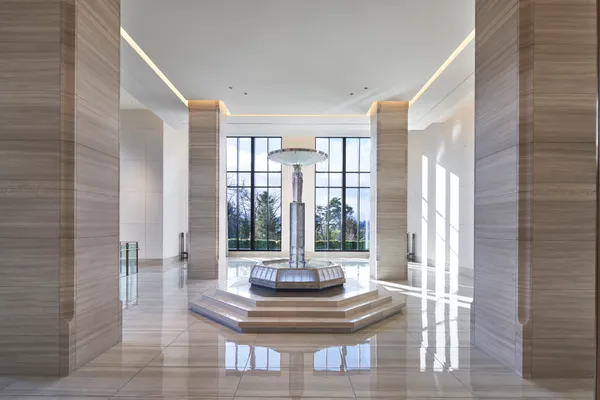
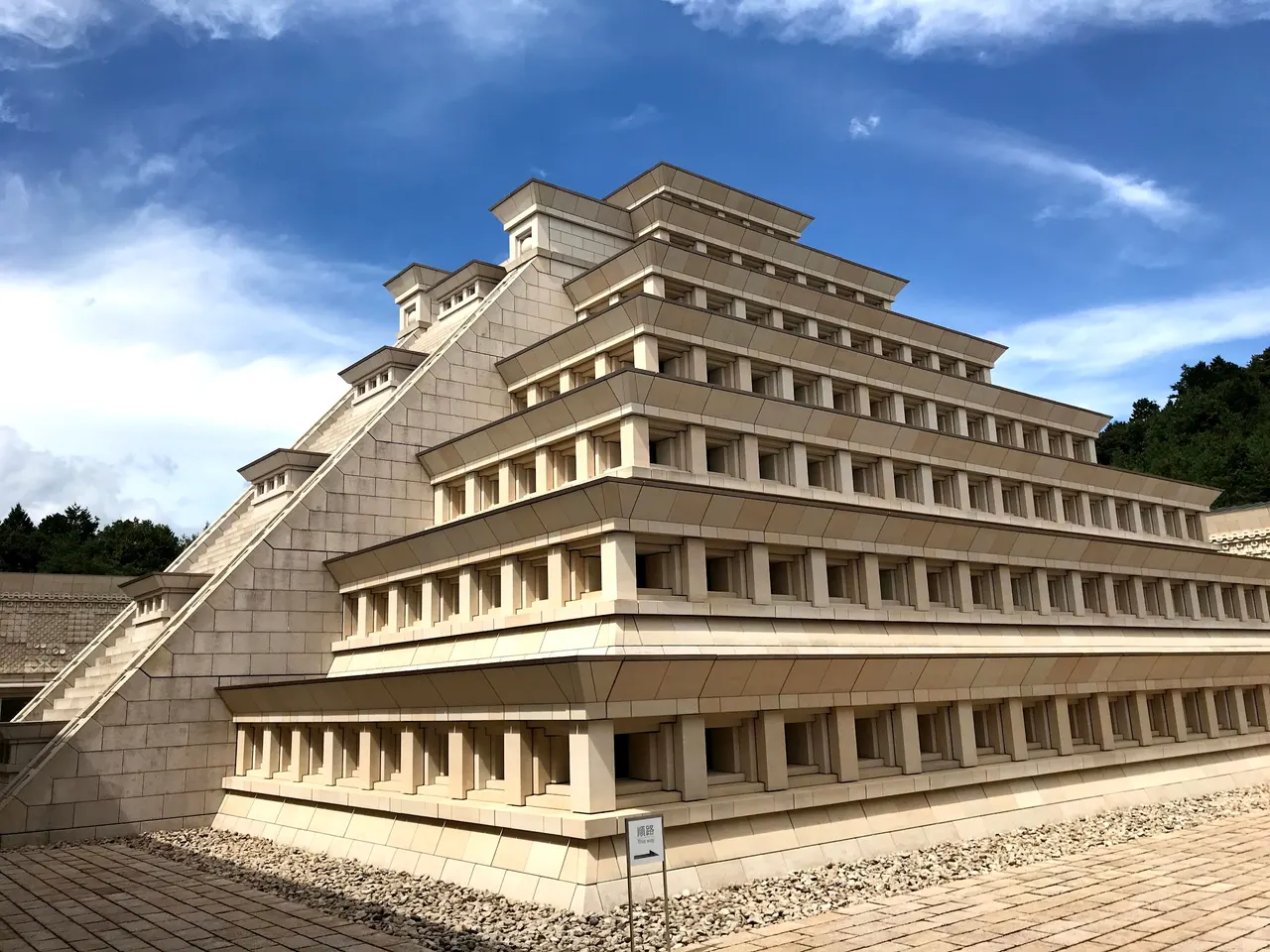
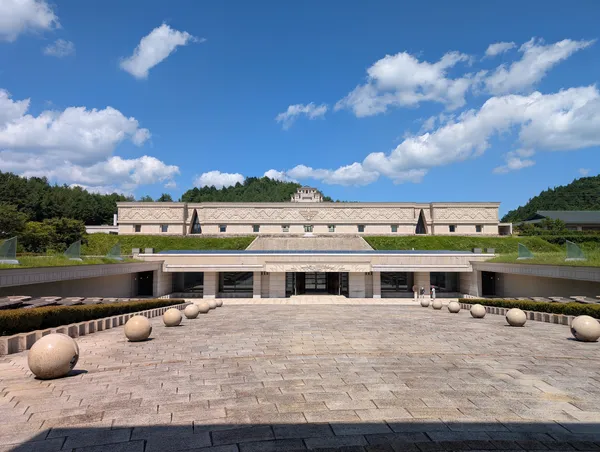
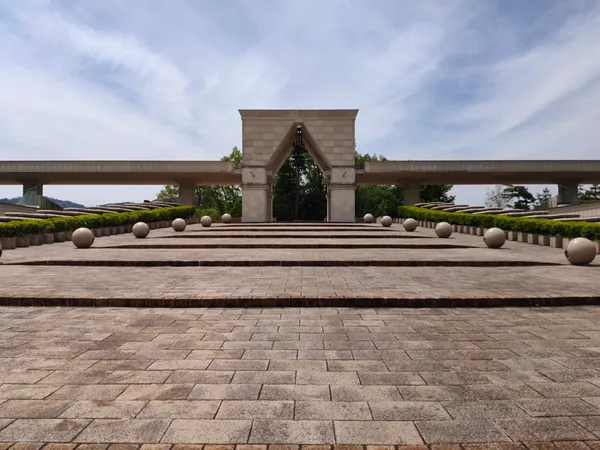
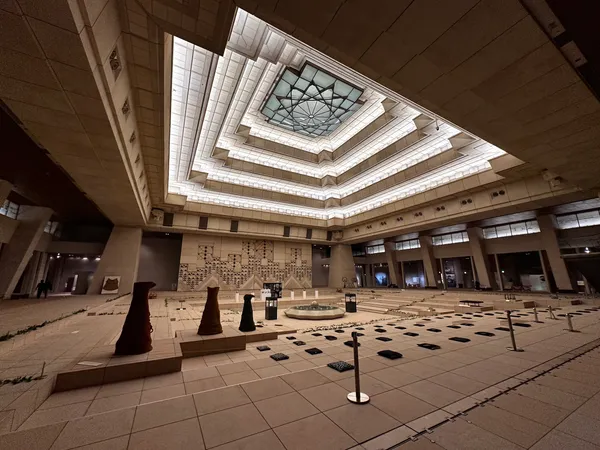
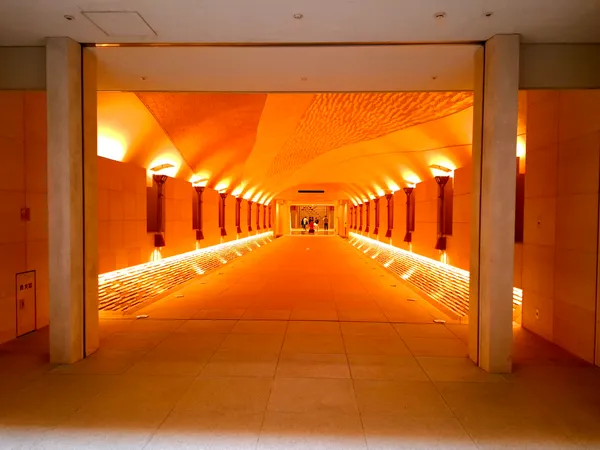
(1.1k)The Hikaru Museum is a sprawling building with a unique pyramid structure, inspired by ancient complexes. It houses a diverse collection of Japanese and Western art, including works by Hokusai, Van Gogh, Renoir, and Monet, alongside historical artifacts and relics from ancient civilizations.
Address
175 Nakayamamachi, Takayama, Gifu 506-0051, Japan
Website
Opening Hours
10:00 AM – 5:00 PM (Thu)
Phone
+81 577-34-6511
Worth it?
Worth it if you appreciate unusual architecture and a quiet, spacious museum experience
Skip if you're looking for a purely traditional art museum without any religious undertones
Location
175 Nakayamamachi, Takayama, Gifu 506-0051, Japan
Nearby places
See more
Highlights
The museum's pyramid-like architecture is a major draw, with some reviewers noting its resemblance to Egyptian structures.
The Hokusai exhibition, featuring original prints and works referencing Mount Fuji, is a consistent highlight for visitors.
Children can enjoy interactive puzzle activities and a dinosaur exhibition with stamp stations.
Nearby eats
See more eats


Who it's for
This museum is for anyone interested in a mix of Japanese and Western art, historical artifacts, and unique architecture. It's also family-friendly, with interactive exhibits for children.
Know before you go
The museum is open from late February to mid-December, Thursday through Tuesday, from 10:00 AM to 5:00 PM, with last admission at 4:00 PM.
Lockers are available for use; they require a 100 yen coin, which is returned after use.
Exhibits reportedly change every three months or so, so there may be new things to see on return visits.
Nearby stays
Reviews
4.3
Very good
5 ReviewsVisitors generally find the Hikaru Museum to be a hidden gem, praising its unique pyramid architecture and diverse exhibits, especially the Hokusai collection. Many appreciate the spacious and quiet environment, as well as the friendly staff and interactive activities for kids.
Fun facts
The museum was conceived as a memorial to Kotama Okada, founder of the Mahikari movement, and includes a memorial room separate from the public areas.
The museum's design was inspired by the Nayan complex at Tikal in Guatemala.
The museum opened in 1999, based on the founder's tenet that "The origin of the earth is one, the origin of the universe is one, the origin of humankind is one, and the origin of all religions is one."