Kenchō-ji
4.4
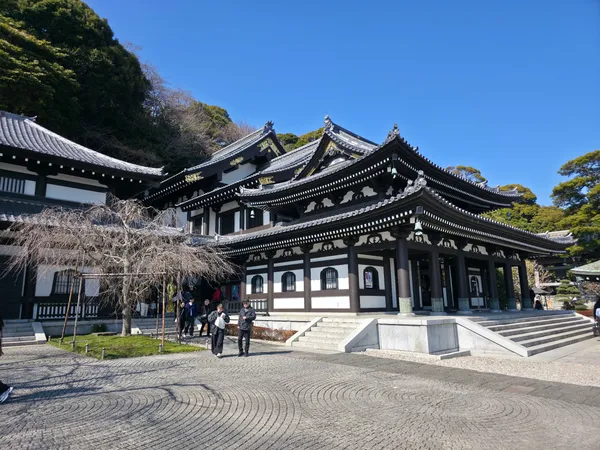
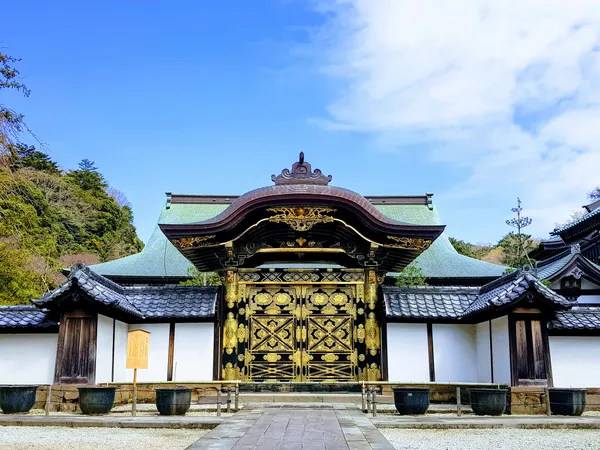
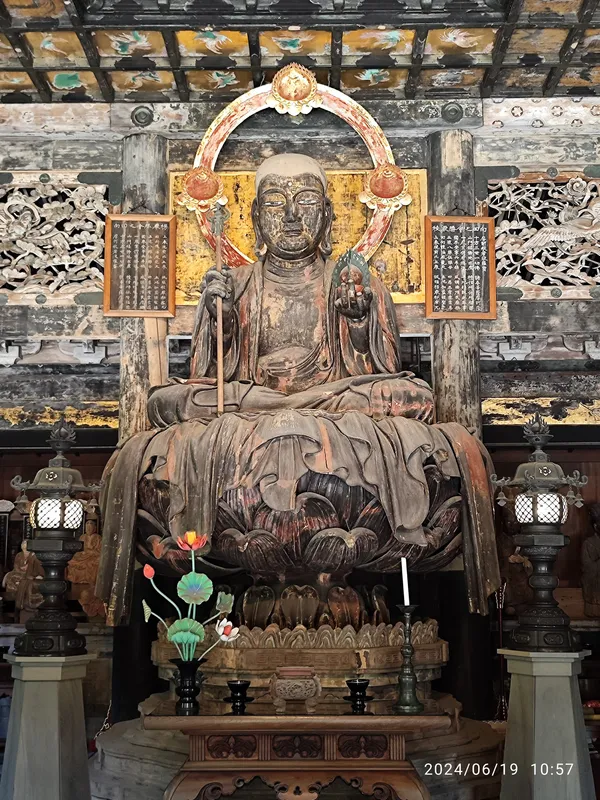
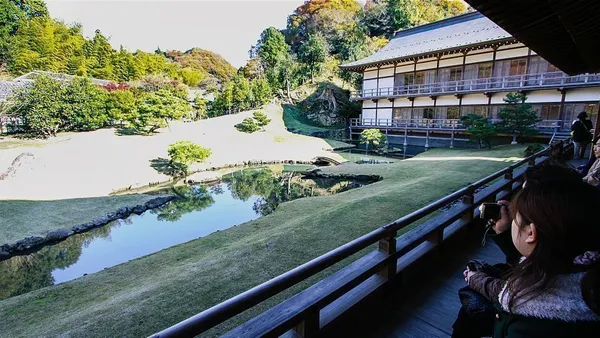
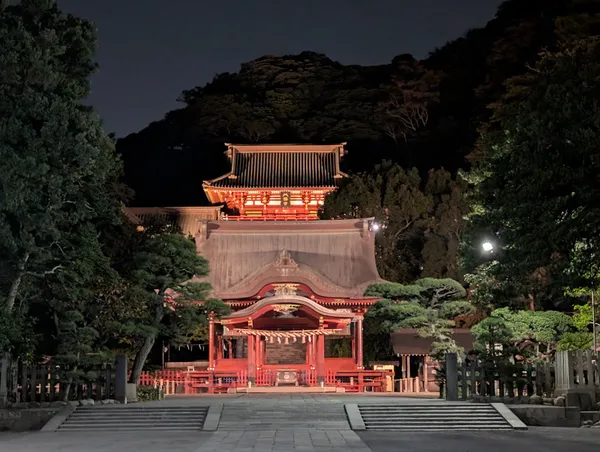
(4.7k)Kenchō-ji is the oldest Zen training monastery in Japan, founded in 1253, and the head temple of the Kenchō-ji branch of the Rinzai school. It was established by the Kamakura shogunate and the Chinese monk Rankei Dōryū, and played a significant role in shaping Japanese society beyond just meditation, including education and diplomacy. The temple complex features traditional Zen architecture, peaceful gardens, and several halls aligned in a classic Zen layout.
Address
8 Yamanouchi, Kamakura, Kanagawa 247-8525, Japan
Website
Opening Hours
8:30 AM – 4:30 PM (Fri)
Phone
+81 467-22-0981
Worth it?
Worth it if you want a deeper dive into Zen history and a calm atmosphere
Skip if you're looking for a quick, bustling attraction
Location
8 Yamanouchi, Kamakura, Kanagawa 247-8525, Japan
Nearby places
See more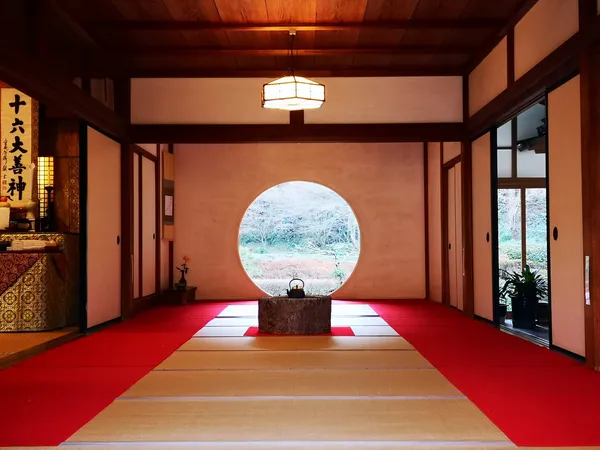
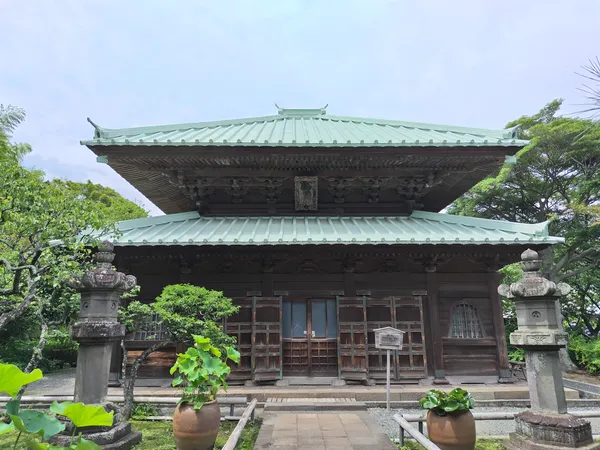
Highlights
The main hall's ceiling features a powerful ink painting of a dragon by Koizumi Junsaku, completed in 2003.
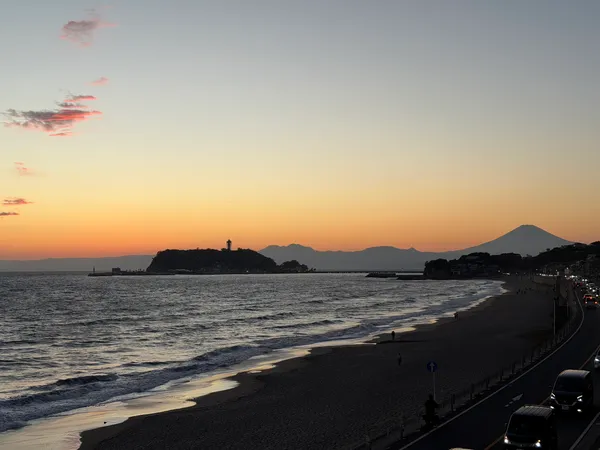
Hike up to Hansōbō, the temple's tutelary Shinto shrine, for stunning views of the ocean and Mount Fuji on a clear day.
The large Zen garden behind the Hōjō, called Shin-ji Ike, is shaped like the Chinese character for mind (心) and was designed by Musō Soseki.
Nearby eats
See more eats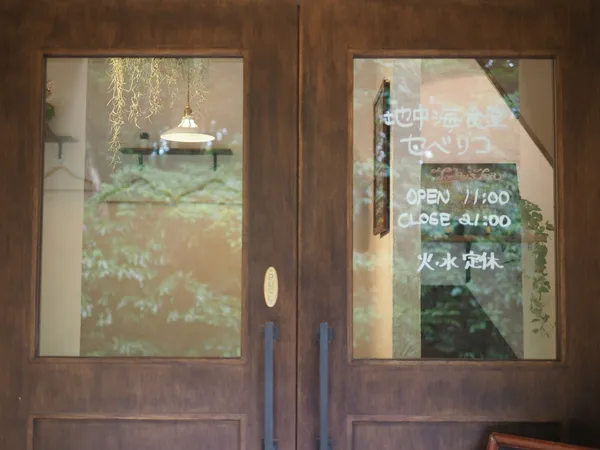
Who it's for
This temple is ideal for anyone interested in Zen Buddhism, Japanese history, and those seeking a quiet, spacious place for a peaceful walk. It's also suitable for visitors who appreciate traditional architecture and serene gardens.
Know before you go
The entrance fee is 500 yen and is cash only.
Nearby stays
Reviews
4.4
Very good
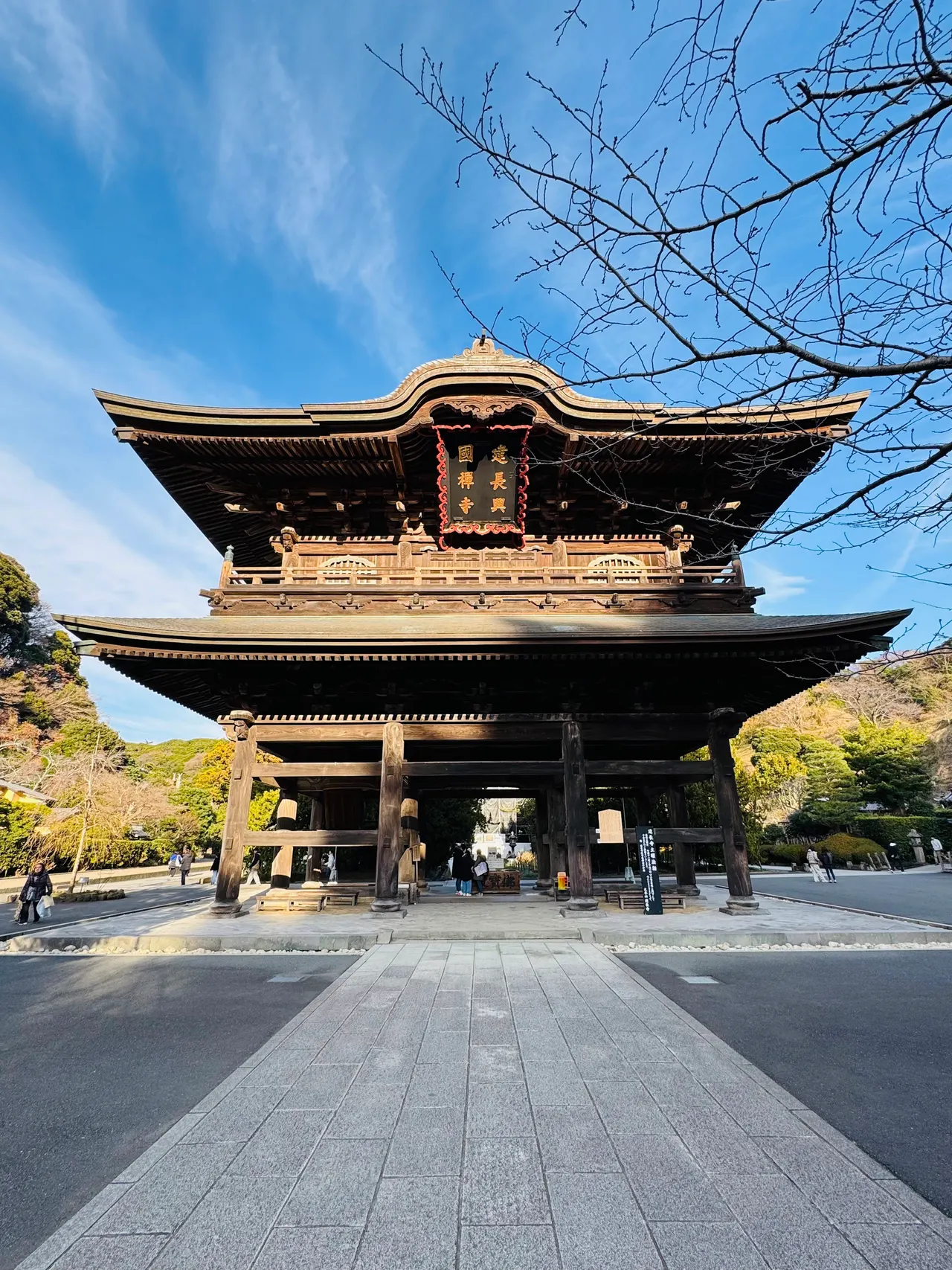
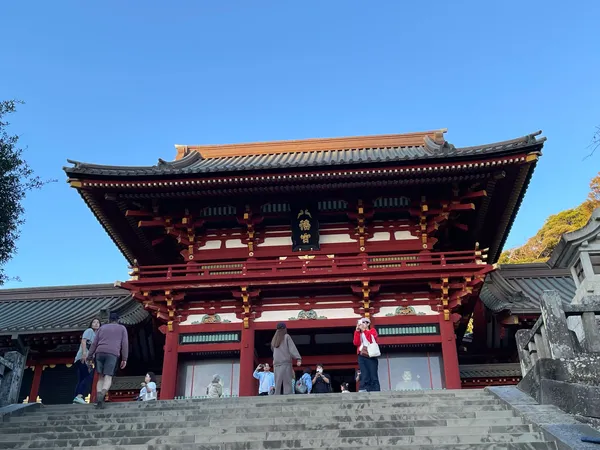
5 ReviewsVisitors appreciate Kenchō-ji for its impressive traditional Zen architecture, particularly the main gate and the dragon painting on the main hall's ceiling. Many highlight the spacious and peaceful grounds, which are great for a walk, and the opportunity to hike to Hansobo for views of the ocean and Mount Fuji. Some also mention the chance to experience zazen meditation.
Fun facts
Kenchō-ji ranks first among Kamakura's Five Great Zen Temples and was at the top of the Five Mountain System, a network of Zen temples used by the Hōjō Regents for administrative and political ends.
The Sanmon (Main Gate), built in 1754, is sometimes called Tanuki-mon (raccoon dog gate) due to a legend that a raccoon dog helped raise money for its construction.
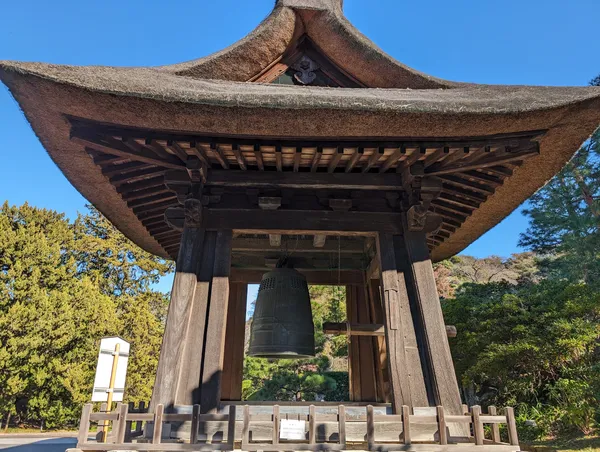
The Bonshō (Temple Bell), cast in 1255, is designated a National Treasure.