Tsurugaoka Hachimangu
4.4
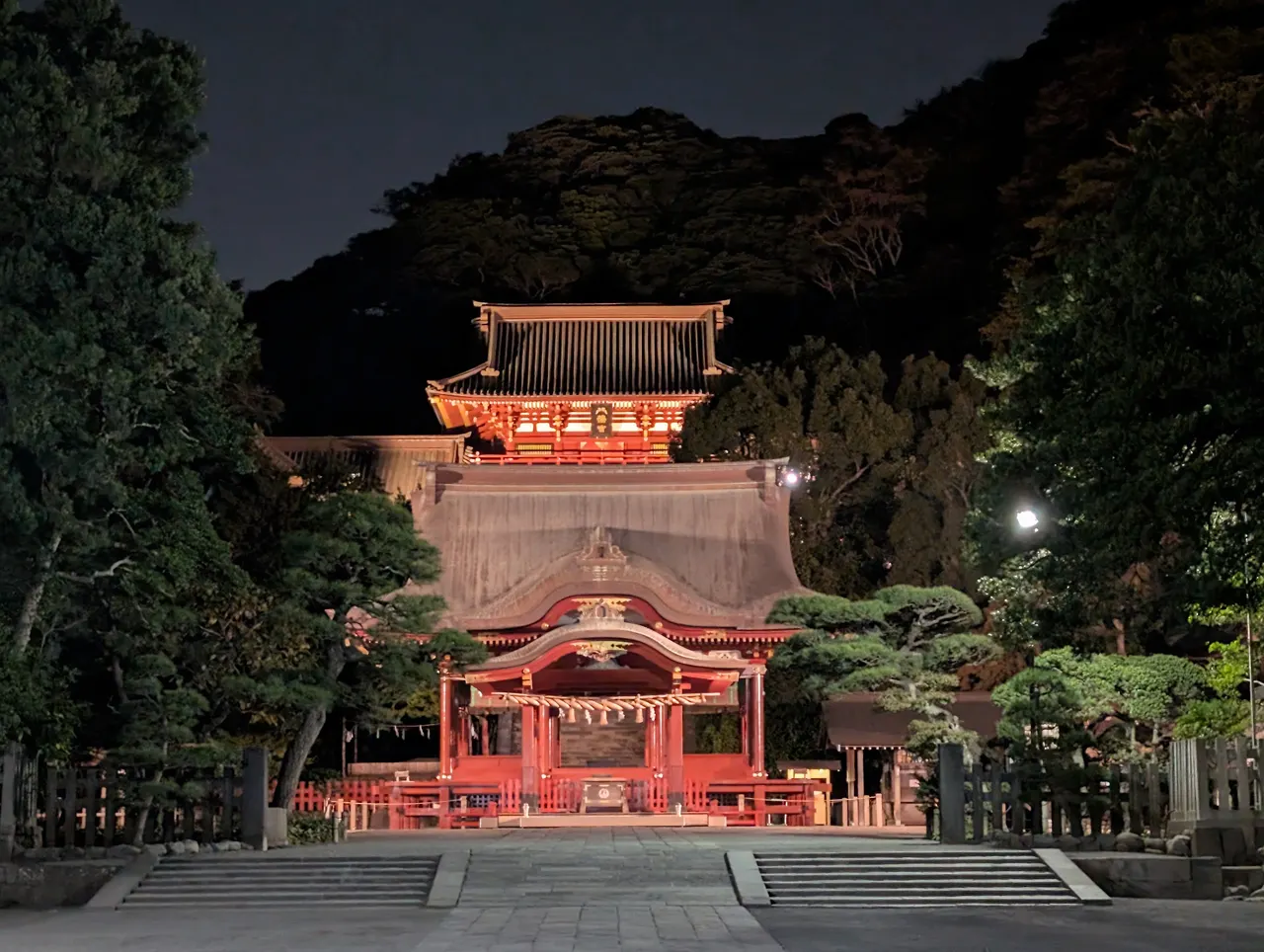
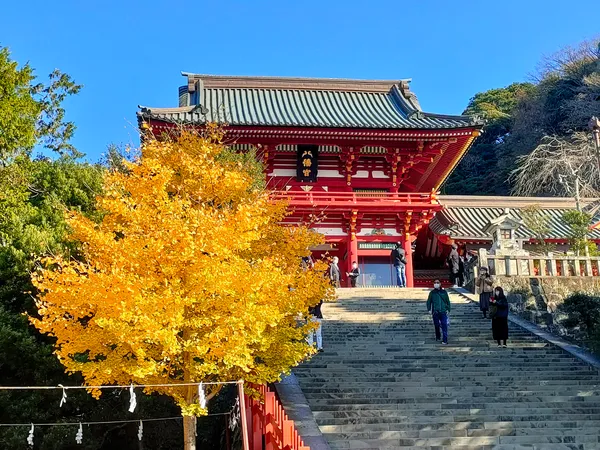
(27.8k)Tsurugaoka Hachimangu is a grand Shinto shrine in Kamakura, originally built in 1063 and moved to its current location in 1191 by Minamoto no Yoritomo, founder of the Kamakura shogunate. The current main hall was built in 1828 in the traditional Edo architectural style. It's a cultural center for the city, hosting many important festivals.
Address
2-chōme-1-31 Yukinoshita, Kamakura, Kanagawa 248-8588, Japan
Opening Hours
6:00 AM – 8:00 PM (Fri)
Phone
+81 467-22-0315
Worth it?
Worth it if you want to experience a significant historical and spiritual site with beautiful views
Skip if you prefer quiet, uncrowded places, as it's often busy
Location
2-chōme-1-31 Yukinoshita, Kamakura, Kanagawa 248-8588, Japan
Nearby places
See more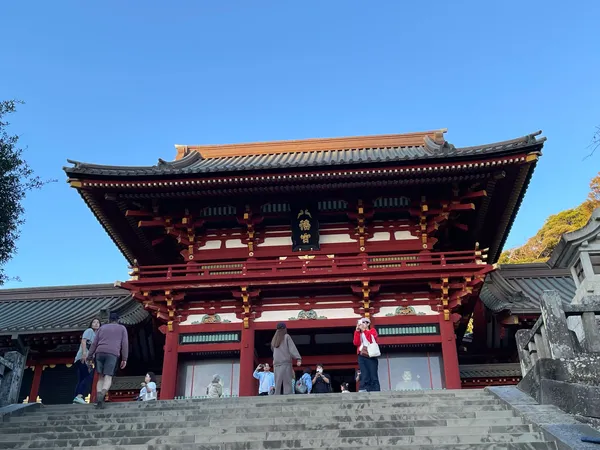
Highlights
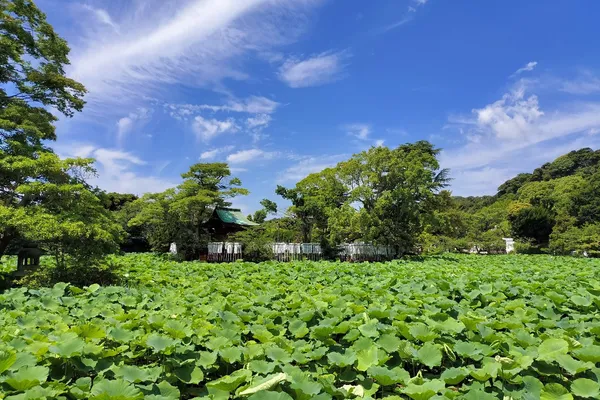
The long approach to the shrine, framed by ponds, bridges, and tall trees, creates a grand entrance leading to the bright red shrine buildings.
From the main hall, you can get a nice view over the central street of Kamakura.
You might be lucky enough to witness a traditional wedding ceremony in the plaza in front of the main shrine.
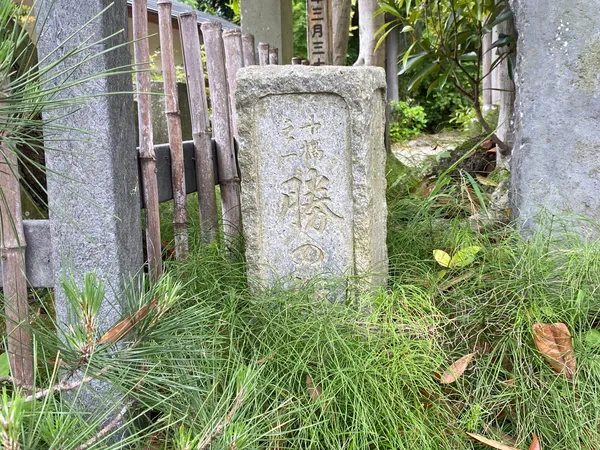
The Ritual Dance Stage is where Lady Shizuka performed a dance expressing her love for Yoshitsune, an event commemorated during the Kamakura Festival in April.
Nearby eats
See more eats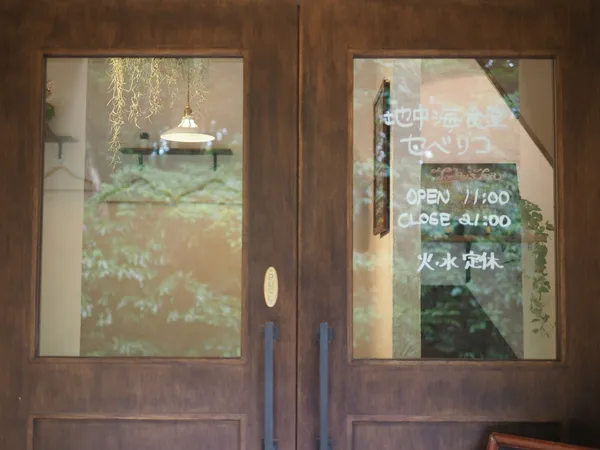
Who it's for
This shrine is for anyone interested in Japanese history and traditional architecture, especially those who appreciate a spiritual atmosphere. It's also great for families and school groups.
Know before you go
The shrine attracts a million visitors on New Year's Day to see the first sunrise of the year, with Japan Rail running trains all night long.
Nearby stays
Reviews
4.4
Very good
5 ReviewsVisitors generally find Tsurugaoka Hachimangu to be a beautiful and well-maintained shrine with a serene and spiritual atmosphere, despite often being crowded. Many highlight the opportunity to see traditional ceremonies and enjoy the views.
Fun facts
The shrine was originally a branch of Iwashimizu Shrine and was dedicated to Emperor Ōjin, his mother Empress Jingu, and his wife Hime-gami.
For almost 700 years, until 1868, it was also a Buddhist temple, a common practice before the Meiji government's separation of Shinto and Buddhism.
The shrine and the city of Kamakura were built with Feng Shui in mind, with the present location chosen for its propitious layout.