Charles Dickens Museum
4.6
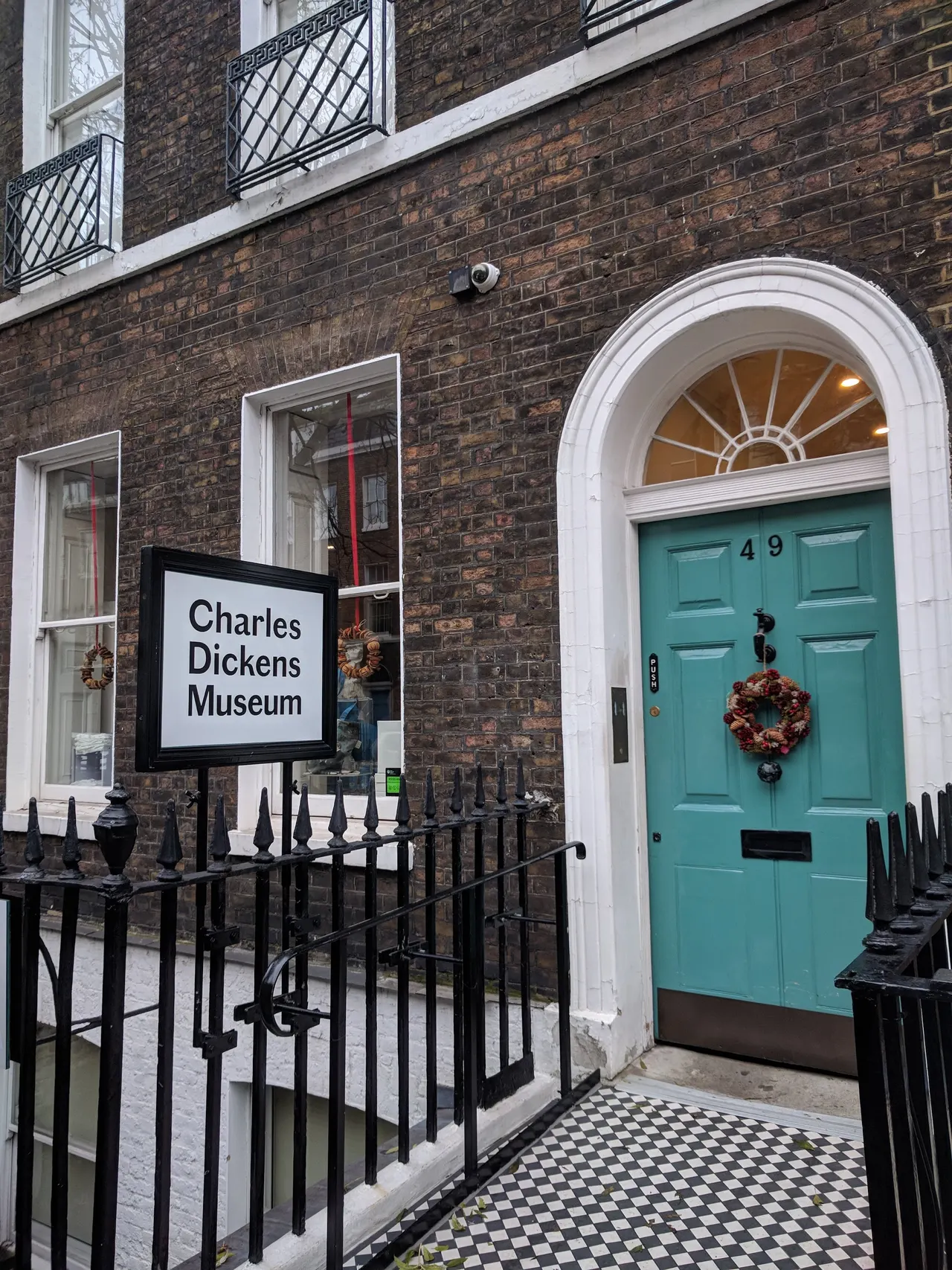
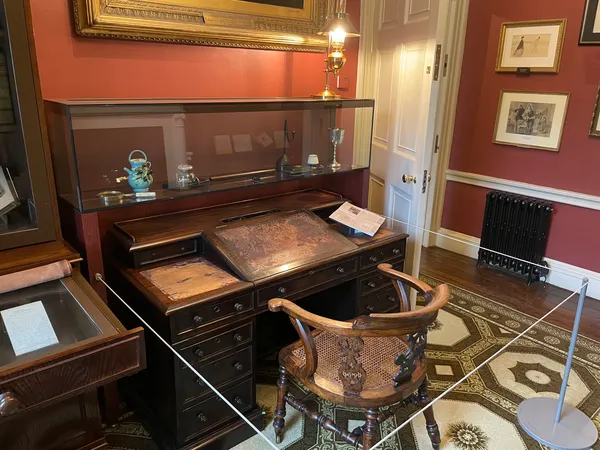
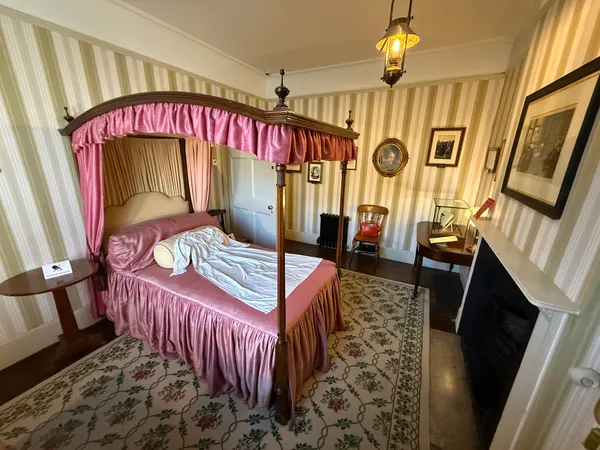
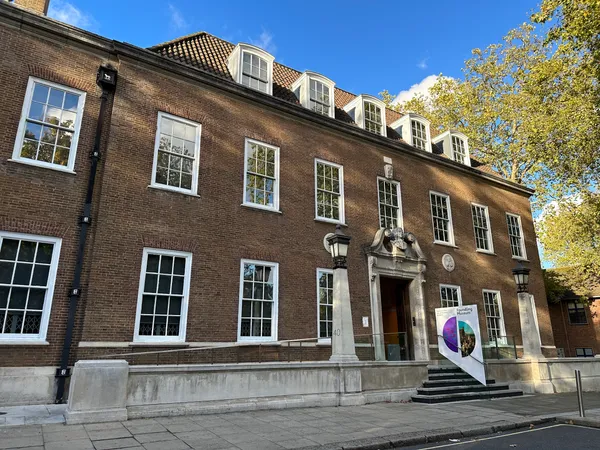
(2.6k)This museum is Charles Dickens's only surviving London home, a Georgian terraced house where he lived from 1837 to 1839. It's where he completed "The Pickwick Papers" and wrote "Oliver Twist" and "Nicholas Nickleby." The museum displays manuscripts, personal items, and original letters, offering a glimpse into his life and Victorian England.
Address
48-49 Doughty St, London WC1N 2LX, UK
Website
Opening Hours
10:00 AM – 5:00 PM (Sun)
Phone
+44 20 7405 2127
Worth it?
Worth it if you want to step into a preserved piece of literary history
Skip if you're not interested in Dickens or Victorian-era domestic life
Location
48-49 Doughty St, London WC1N 2LX, UK
Nearby places
See more
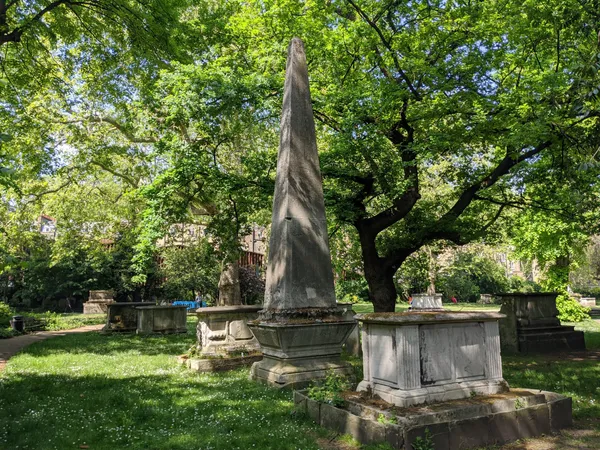
Highlights
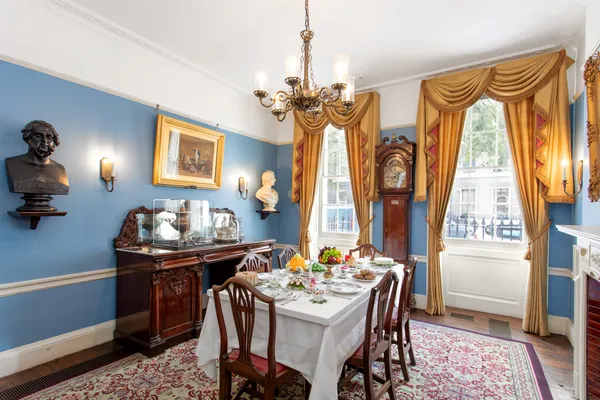
You can almost feel the author's presence in the modest dining room, where he plotted "Oliver Twist."
The museum displays the only known item of clothing worn by Dickens still in existence: his Court Suit and sword.
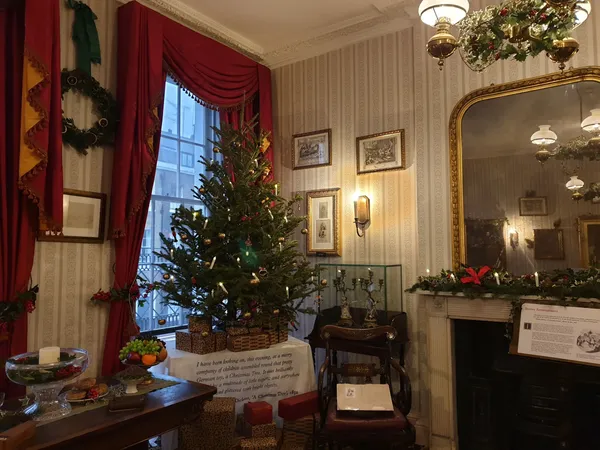
Visiting in December offers the added bonus of festive holiday decorations throughout the house.
Nearby eats
See more eats

Who it's for
This is for devoted Dickens readers, history buffs, and anyone curious about Victorian life. It's also good for families, as it's considered kid-friendly.
Know before you go
Bring your own AirPods or earphones to use with the QR code audio guide available in each room.
Paid street parking is available nearby.
Nearby stays
Reviews
4.6
Exceptional
5 ReviewsVisitors consistently praise the museum for its well-preserved house and informative audio tour, which features expert recordings. Reviewers also highlight the friendly and helpful staff and volunteers, noting that the experience offers a genuine look into Victorian England.
Fun facts
Dickens lived here with his wife and their eldest three children, and his two older daughters were born in the house.
The building was saved from demolition in 1923 by the Dickens Fellowship, who bought the property and opened the museum in 1925.
The unfinished portrait "Dickens's Dream" by R. W. Buss, an original illustrator of "The Pickwick Papers," is a well-known exhibit.