Kenwood House
4.7
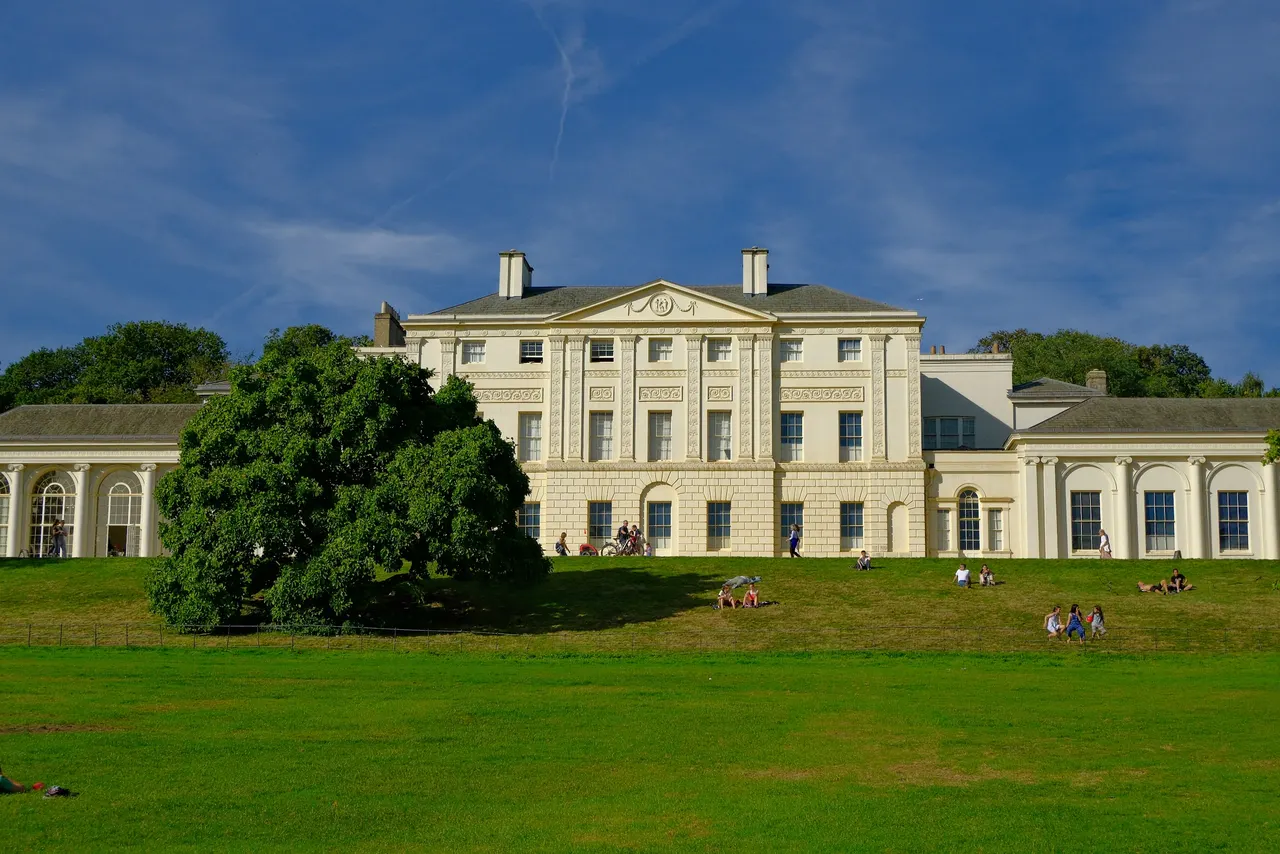
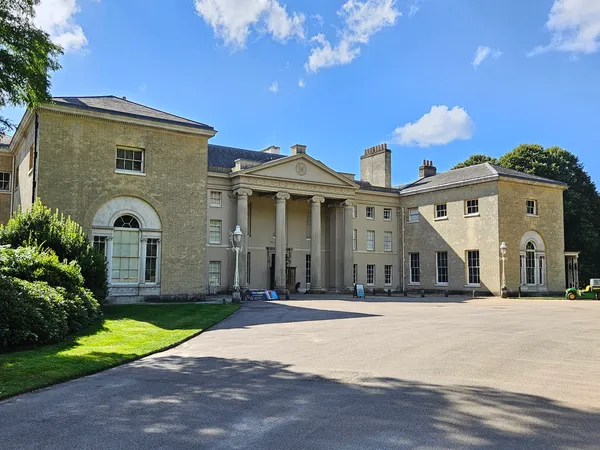
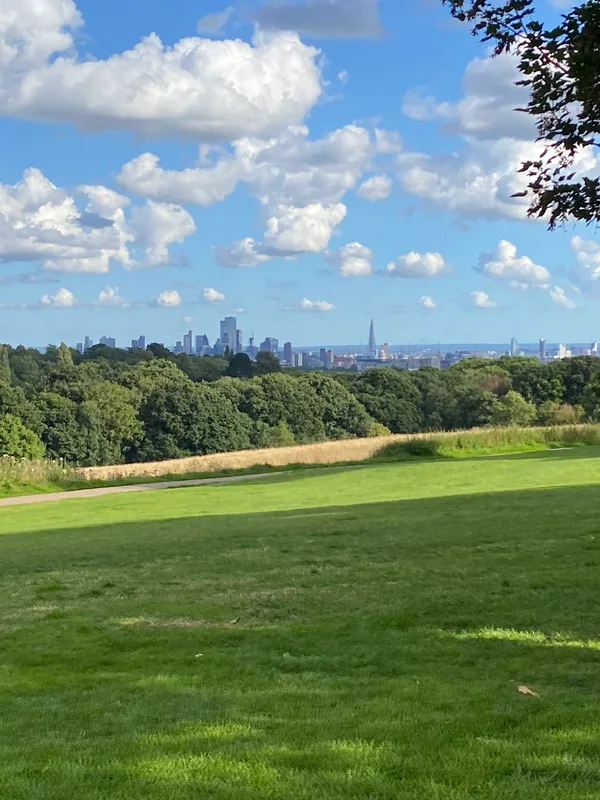
(6.3k)Kenwood House is a 17th-century country house on the edge of Hampstead Heath, featuring restored interiors and a notable art collection. It's a blend of history, architecture, and peaceful natural scenery, offering a fascinating place to explore.
Address
Kenwood House, 3 Hampstead Ln, London NW3 7JR, UK
Opening Hours
10:00 AM – 5:00 PM (Sun)
Phone
+44 370 333 1181
Worth it?
Worth it if you appreciate a peaceful, relaxing atmosphere with impressive art and architecture
Skip if you're not keen on historic homes or art collections
Location
Kenwood House, 3 Hampstead Ln, London NW3 7JR, UK
Nearby places
See more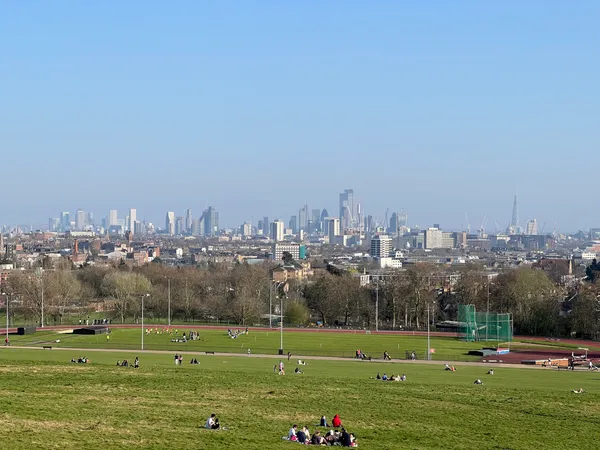
Highlights
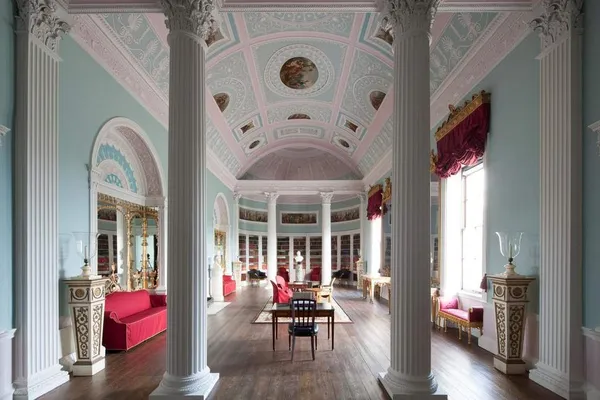
The library, designed by Robert Adam, is particularly beautiful and houses an extensive book collection.
You can sit on a sofa in each room, reading brochures that introduce the artwork, which many reviewers find a pleasant experience.
The house features masterpieces by renowned artists, including a Singer Sargent painting.
Nearby eats
See more eats

Who it's for
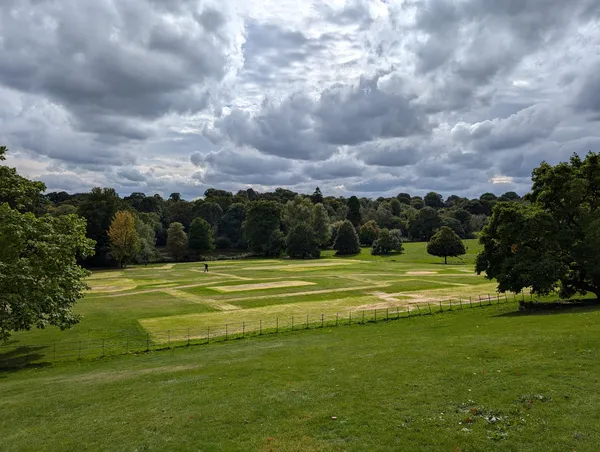
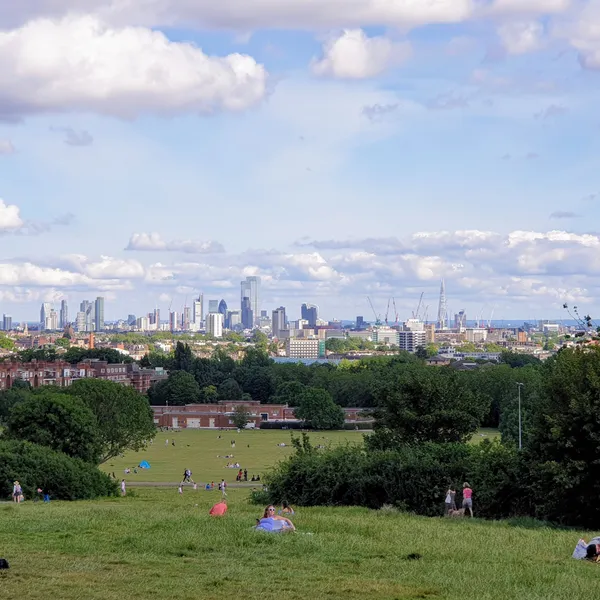
This spot is ideal for anyone interested in art, architecture, and history, as well as families looking for expansive grounds for walks and picnics.
Know before you go
While entry to the grounds is free, there is an admission fee for the house itself.
It's recommended to buy tickets in advance, even though entry to the house is free, to avoid waiting.
Reviews
4.7
Exceptional
5 ReviewsVisitors love Kenwood House for its beautiful art collection, including works by famous artists, and its stunning library. Many highlight the free entry to the grounds, the peaceful atmosphere, and the expansive grounds for walks and picnics. The friendly and knowledgeable staff and volunteers also receive high praise.
Fun facts
The house was remodelled in the 18th century by Scottish architect Robert Adam for William Murray, 1st Earl of Mansfield.
In 1780, during the Gordon Riots, free ale was given from the Spaniards Inn to stall rioters targeting Kenwood House until armed cavalry arrived.
The house and part of its grounds were bought by Edward Guinness, 1st Earl of Iveagh, in 1925 and donated to the nation in 1927.