National Maritime Museum
4.6
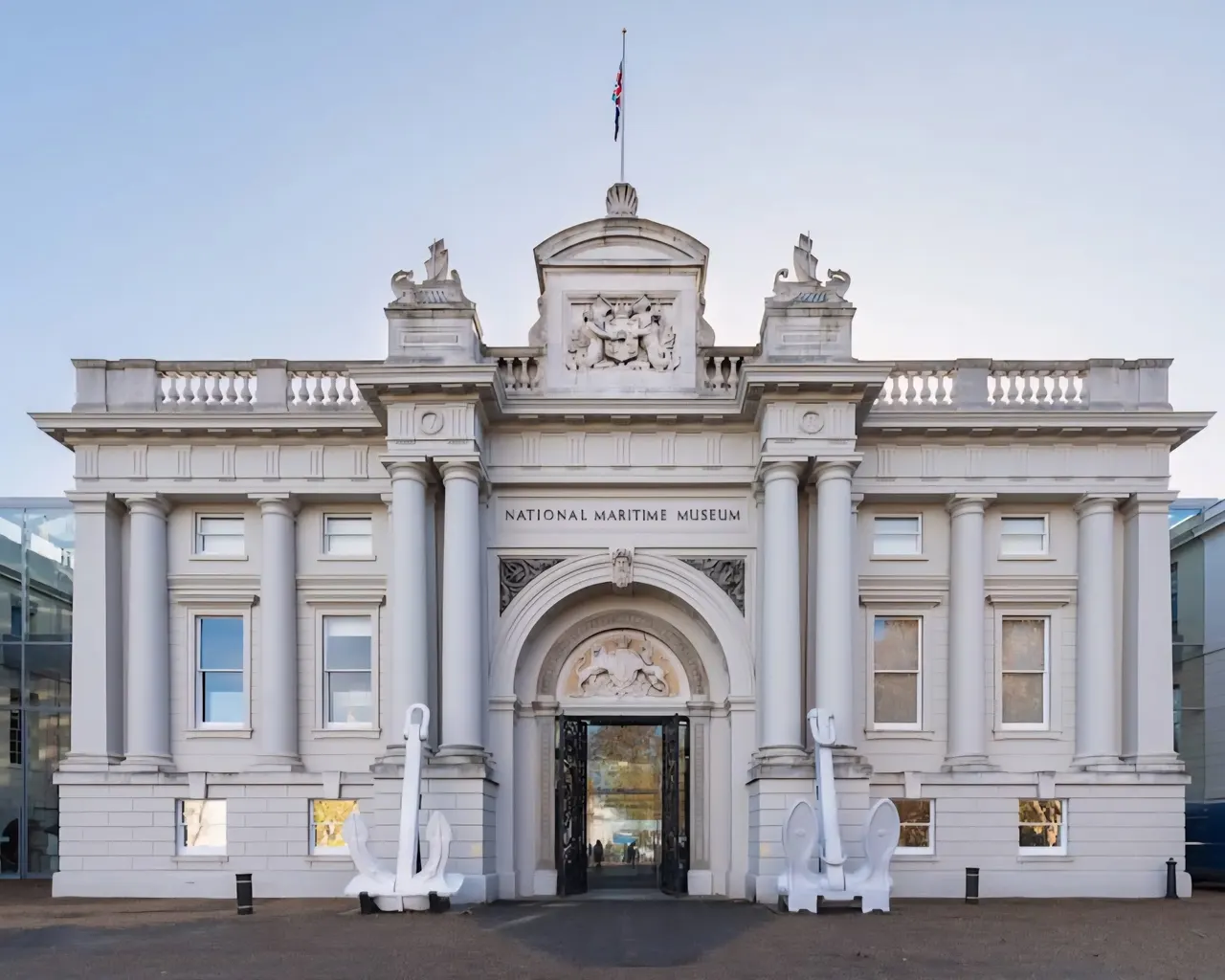
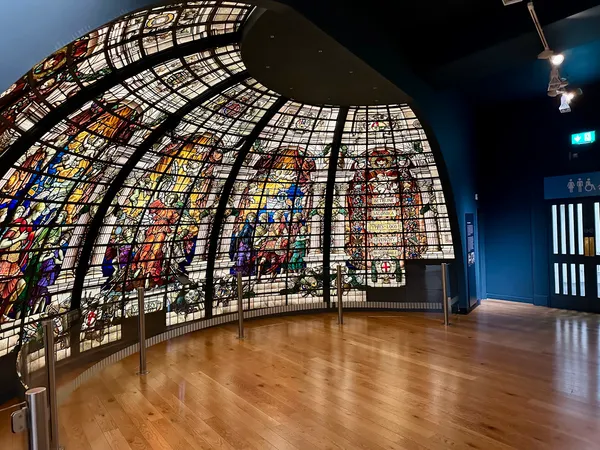
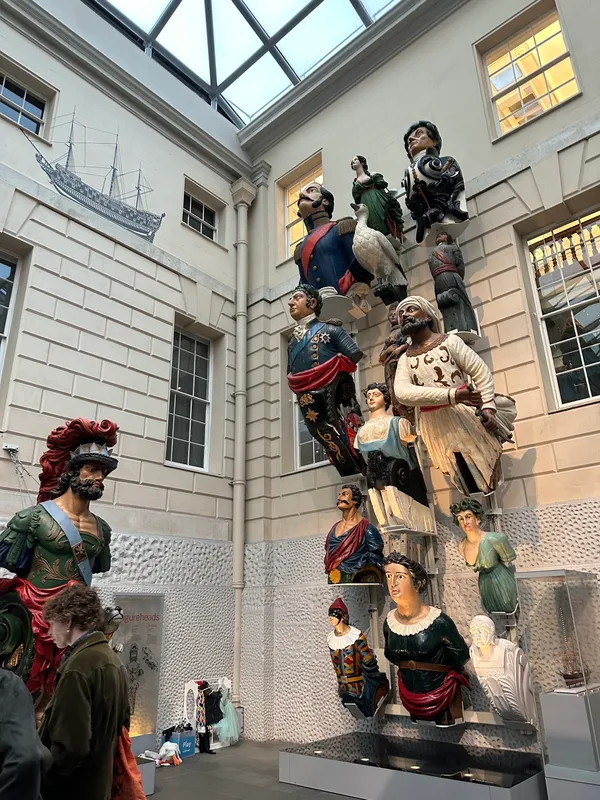
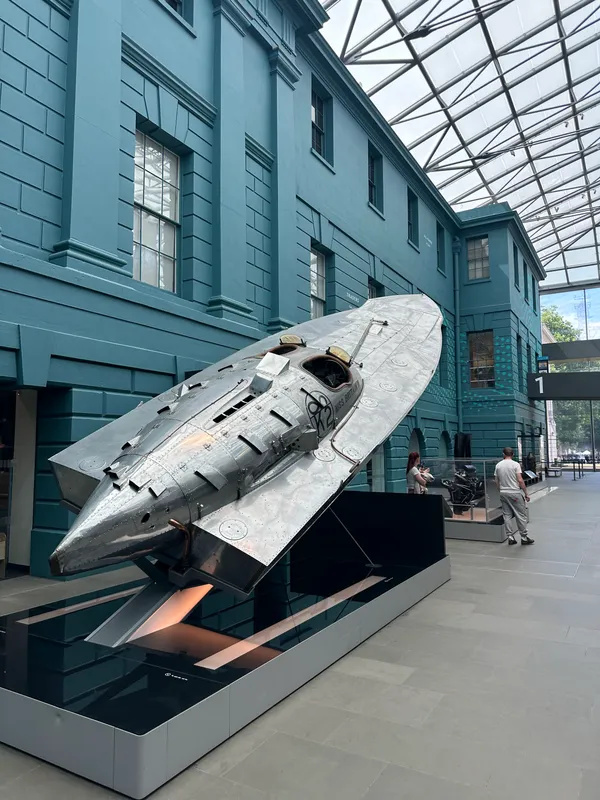
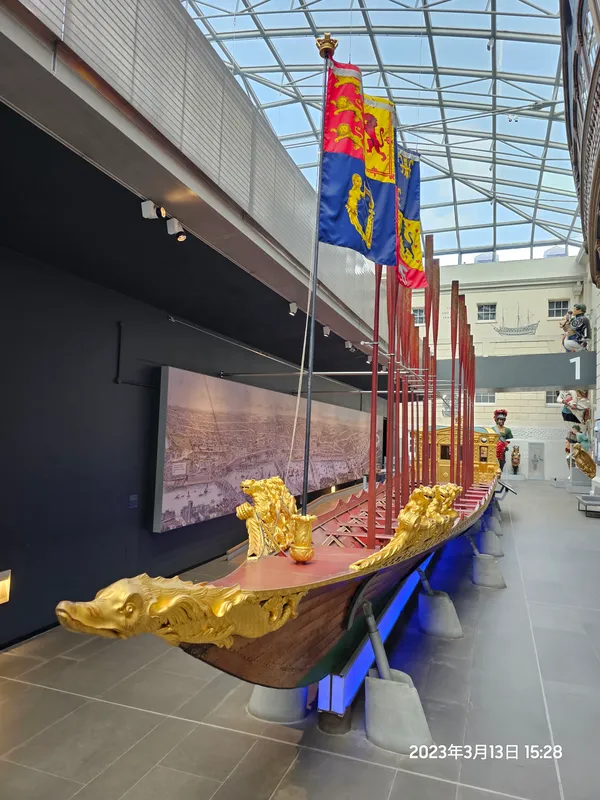
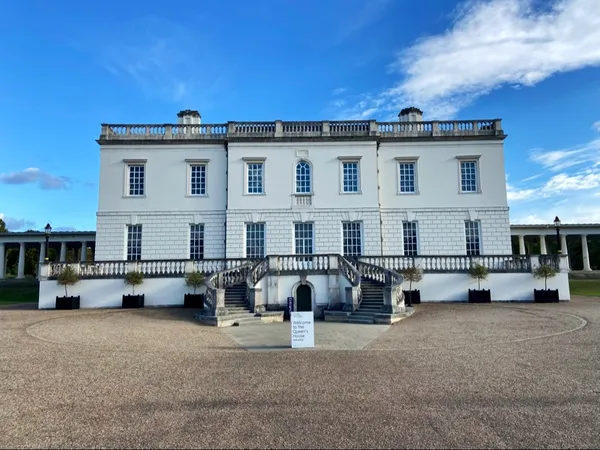
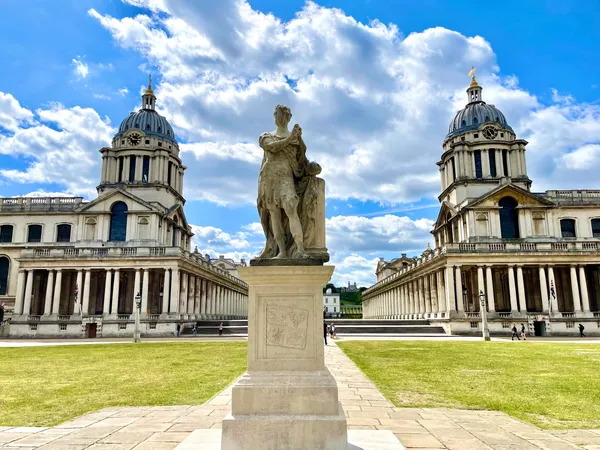
(14.4k)The National Maritime Museum in Greenwich is a large museum dedicated to British naval history, offering a deep dive into sea journeys, exploration, and maritime battles. It features well-curated exhibits, interactive displays, and stunning ship models, making history come alive.
Address
Romney Rd, London SE10 9NF, UK
Opening Hours
10:00 AM – 5:00 PM (Sun)
Phone
+44 20 8858 4422
Worth it?
Worth it if you want a fascinating, free cultural experience with plenty to see and do
Skip if you're not keen on history or prefer smaller, quieter venues
Location
Romney Rd, London SE10 9NF, UK
Nearby places
See more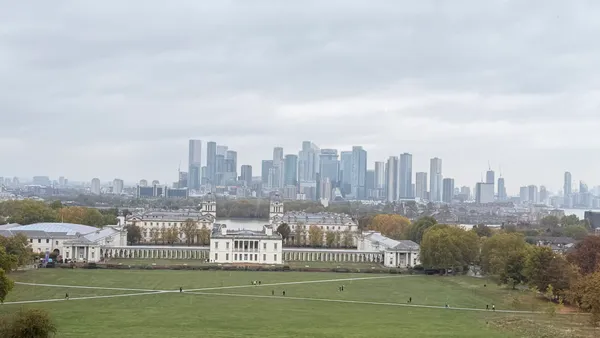
Highlights
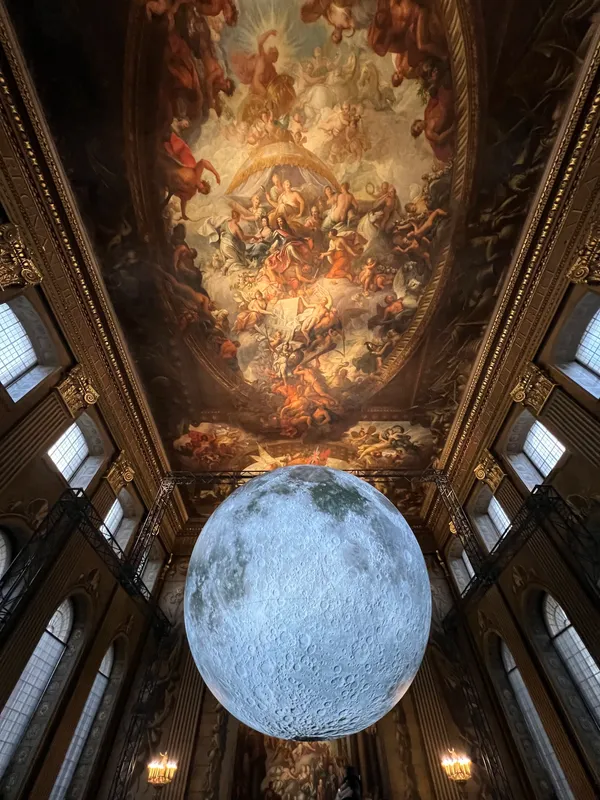
The astronomy photography gallery is a standout, showcasing cosmic colors, nebula clouds, and galaxies in a way that feels like the ocean meets the universe.
The Ahoy gallery offers interactive activities specifically designed for children, though some toys may be missing pieces.
Nearby eats
See more eats


Who it's for
This museum is ideal for anyone interested in history, especially British maritime history, and families looking for engaging cultural activities. It's also great for those who appreciate interactive exhibits and a spacious environment.
Know before you go
While general admission is free, some temporary side-gallery exhibitions may have admission charges.
The Ahoy gallery can sell out on weekends, so consider purchasing tickets in advance.
Nearby stays
Reviews
4.6
Exceptional
5 ReviewsVisitors find the National Maritime Museum a fascinating and family-friendly experience, highlighting its well-curated exhibits, interactive displays, and impressive ship models. The free entry and spacious layout are frequently appreciated, as is its location near Greenwich Park and the Cutty Sark.
Fun facts
The museum was formally opened in 1937 by King George VI, accompanied by his daughter Princess Elizabeth.
Greenwich has a long association with the sea and navigation, being the home of Greenwich Mean Time and the Prime Meridian since 1884.
The museum's collection includes over two million items, making it one of the most important holdings on Britain's history at sea.