St James's Park
4.7
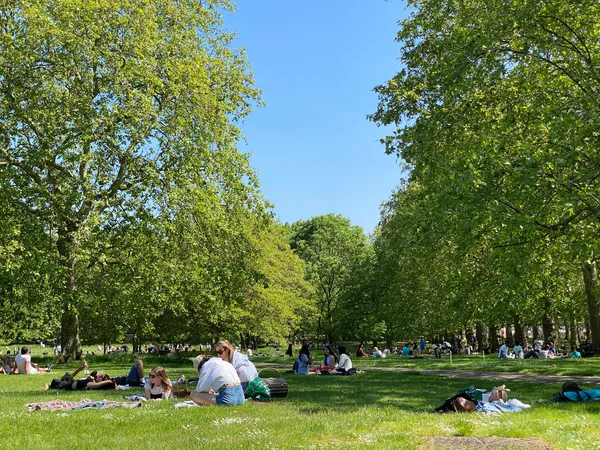
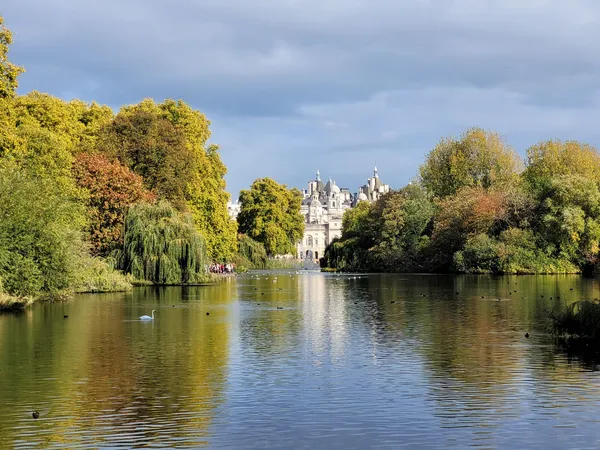
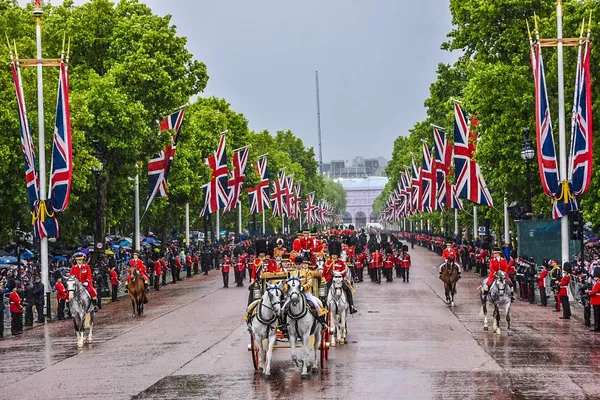
(61.3k)St James's Park is a 23-hectare urban park in central London, offering a lush landscape that feels far removed from the city's hustle. It's a Royal Park, originally enclosed for deer hunting by King Henry VIII in the 1530s. The park features a small lake with two islands and is bounded by iconic landmarks like Buckingham Palace and The Mall.
Address
London SW1A 2BJ, UK
Opening Hours
5:00 AM – 12:00 AM (Sun)
Phone
+44 300 061 2350
Worth it?
Worth it if you want a relaxing break with stunning views and wildlife
Skip if you're looking for high-energy activities
Location
London SW1A 2BJ, UK
Nearby places
See more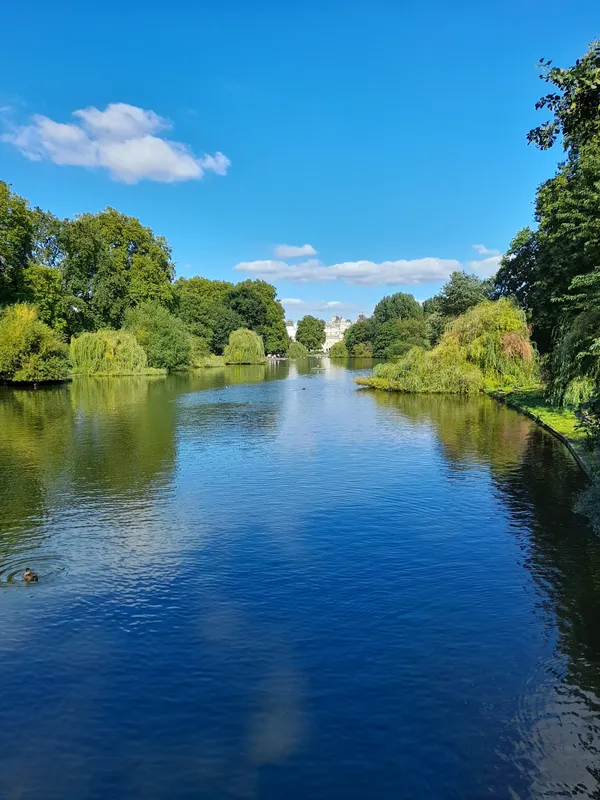
Highlights
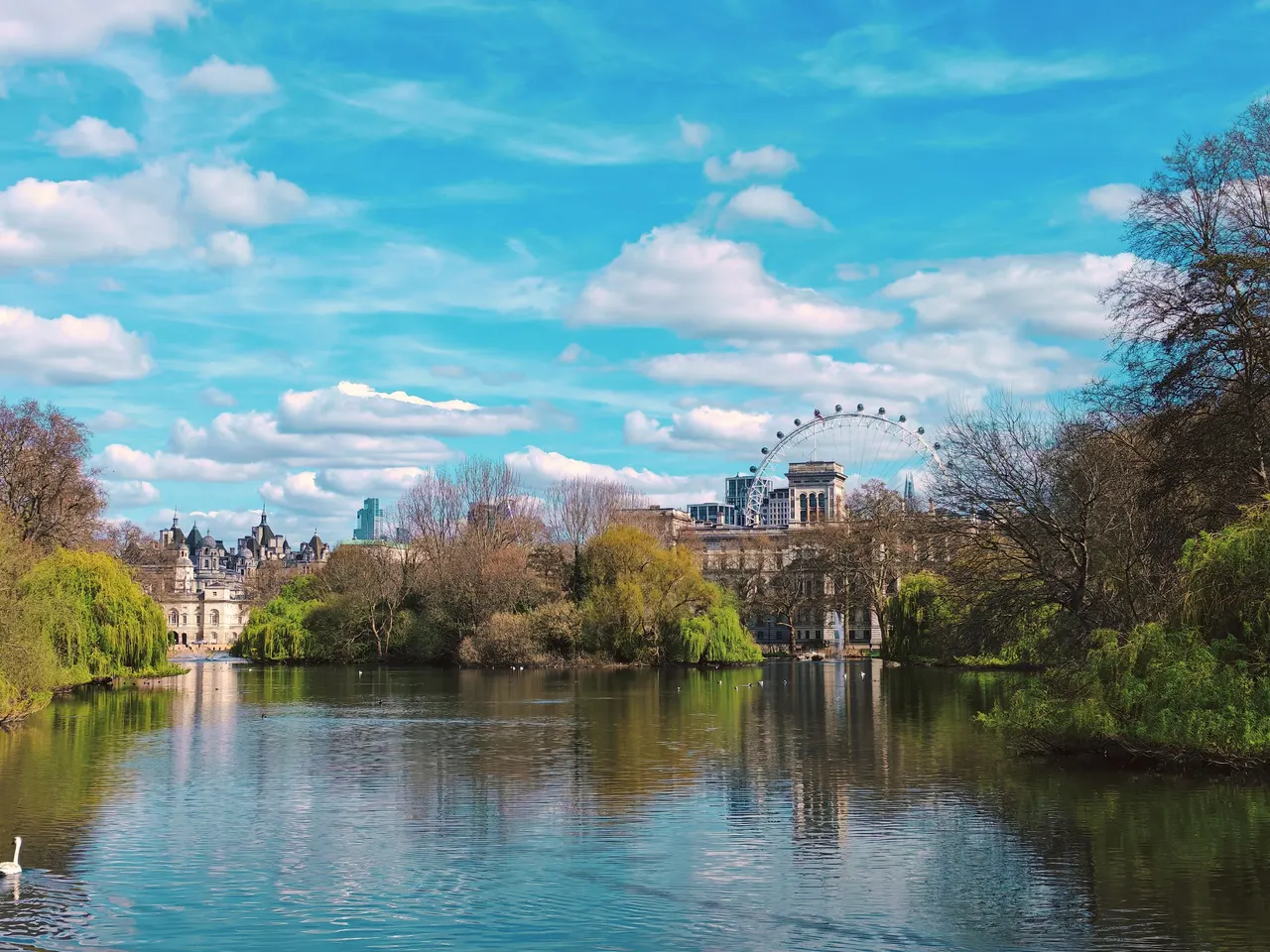
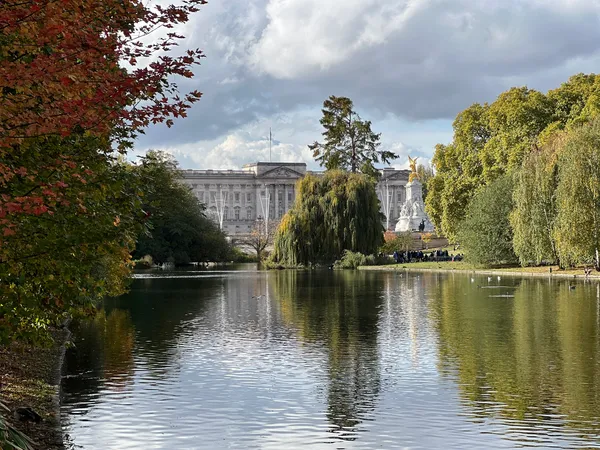
The Blue Bridge across St James's Park Lake offers a stunning view of the London Eye, Whitehall, and the City’s Towers to the east, and a tree-framed view towards Buckingham Palace to the west.
A resident colony of pelicans has been a feature of the park since 1664, with daily feedings.
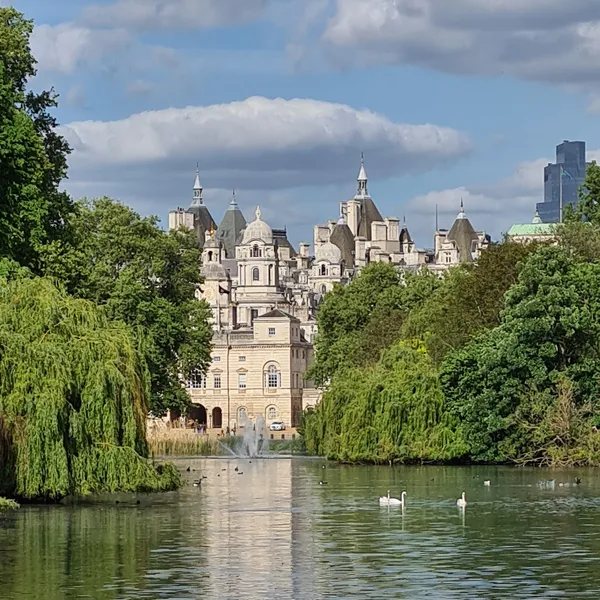
You can spot various wildlife, including ducks, swans, and friendly squirrels, especially around the lake.
Nearby eats
See more eats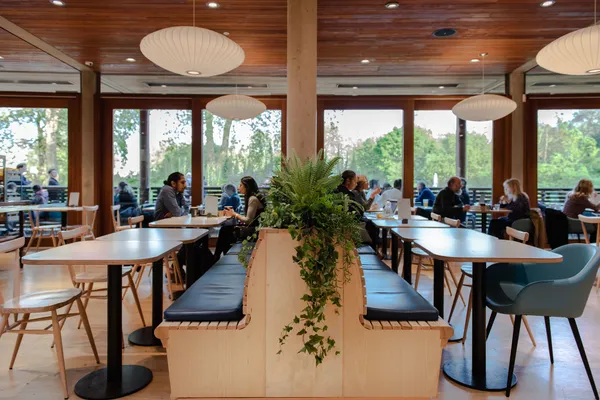
Who it's for
This park is ideal for anyone seeking urban tranquility, from families and couples to solo travelers looking for a peaceful escape. It's perfect for those who enjoy walking, relaxing, and observing wildlife in a beautiful setting.
Know before you go
The park is open from 5:00 AM to 12:00 AM daily, offering flexibility for early morning or sunset visits.
The park is wheelchair accessible, with accessible parking, entrances, and restrooms available.
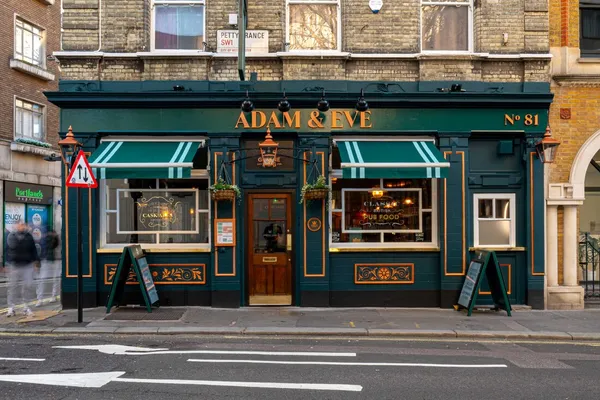
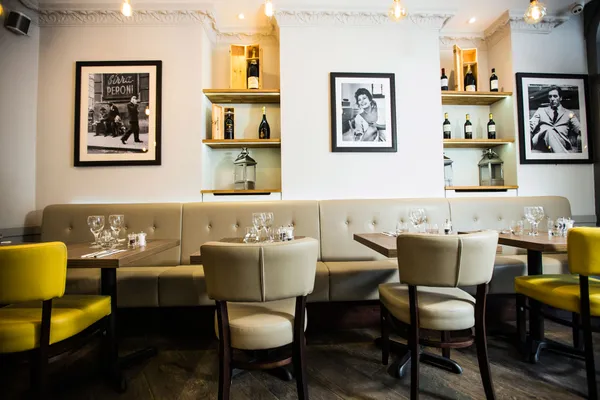
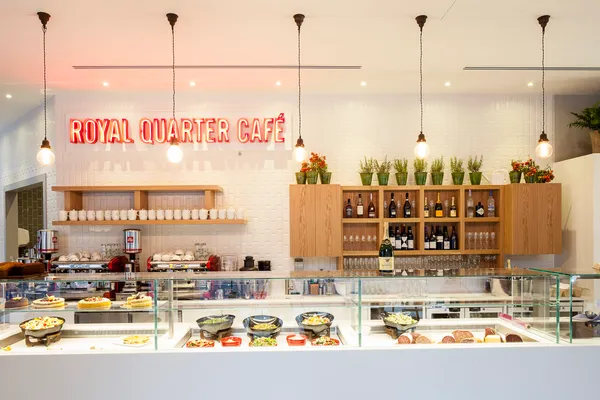
There are plenty of places to grab a hot drink and food, with outdoor seating and vegetarian options available.
Nearby stays
Reviews
4.7
Exceptional
5 ReviewsVisitors consistently praise St James's Park for its stunning views of Buckingham Palace and the London Eye, its tranquil lake with pelicans, and ample green space for picnics and walks. The peaceful and relaxing atmosphere is frequently highlighted as a perfect escape from the city buzz.
Fun facts
The park was redesigned in a more formal style by Charles II after he was impressed by French royal gardens during his exile.
In the late 17th and early 18th centuries, cows grazed in the park, and fresh milk could be bought at the "Lactarian."
The park is Grade I listed on the Register of Historic Parks and Gardens.