
The Green Park
4.6
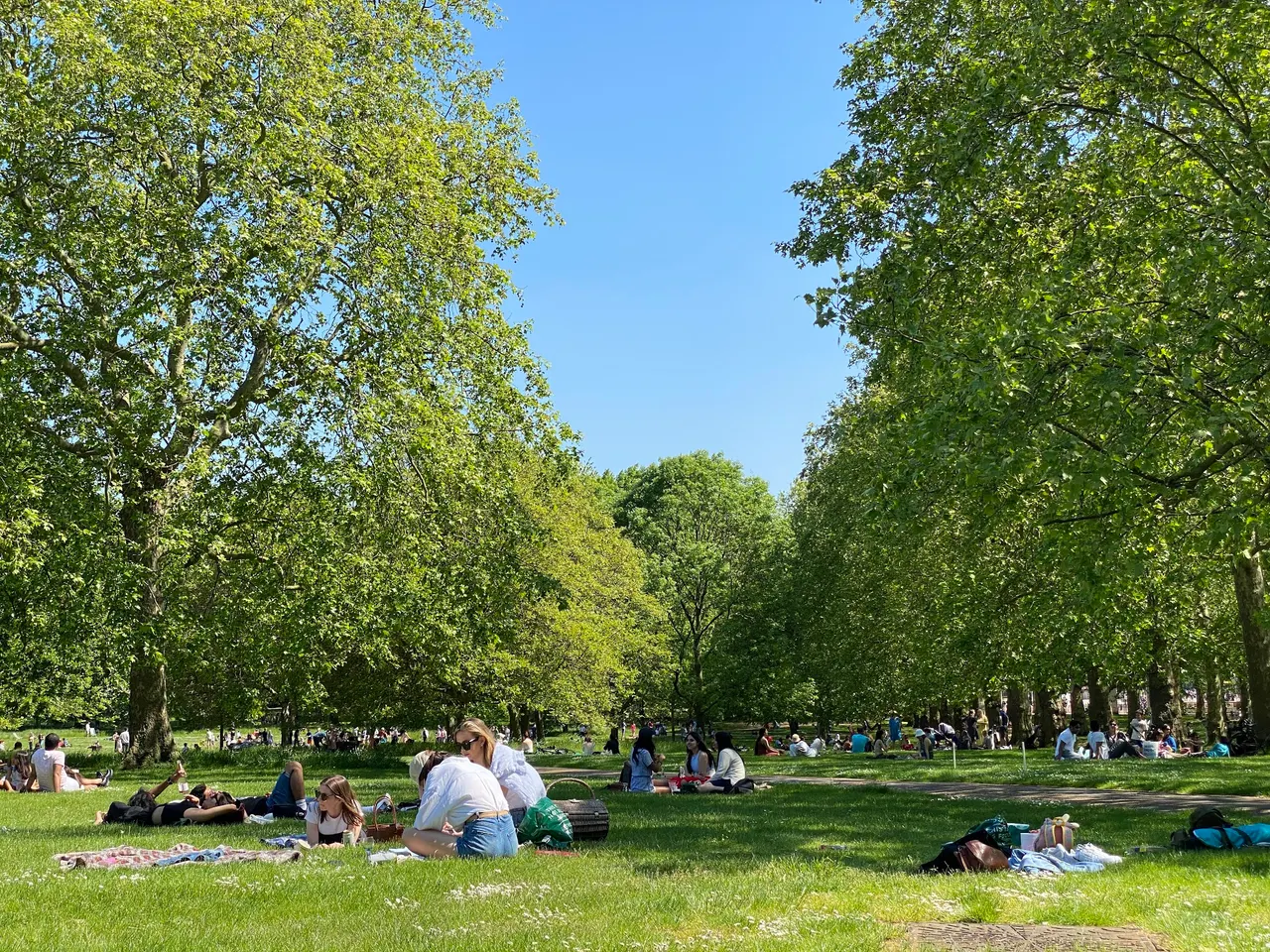
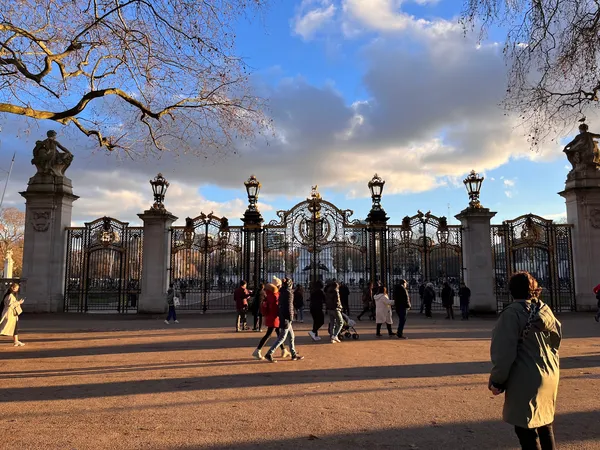
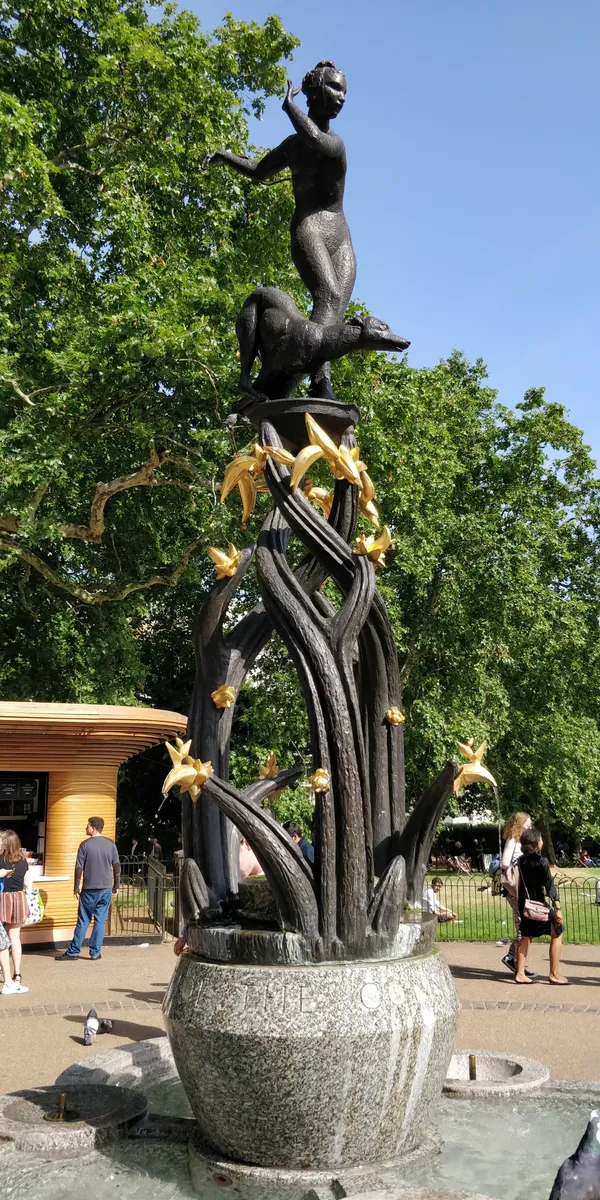
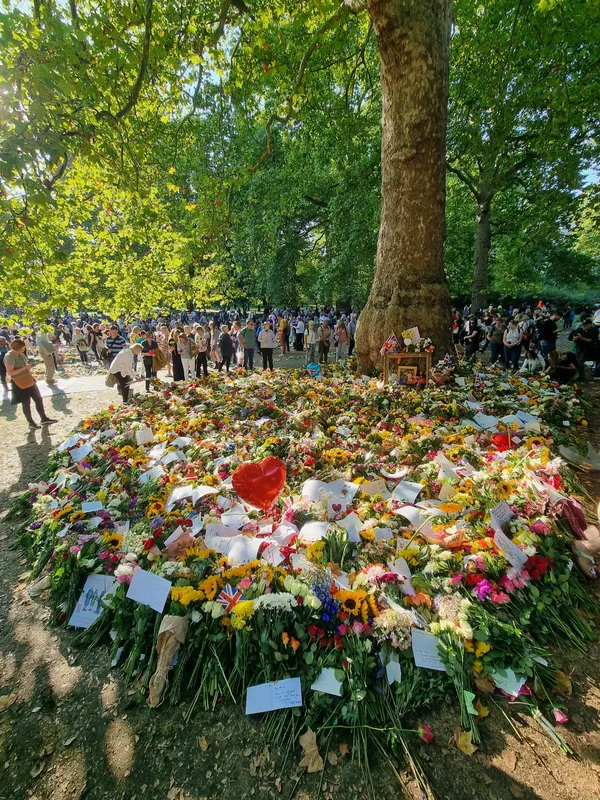
(27.4k)The Green Park is one of London's Royal Parks, covering 40 acres between Hyde Park and St. James's Park. It's known for its understated beauty, featuring wide-open grasslands and mature trees rather than elaborate flowerbeds or formal displays. The park offers a peaceful escape in the heart of the city, directly opposite Buckingham Palace.
Address
Green Park, London SW1A 1AA, UK
Opening Hours
5:00 AM – 12:00 AM (Sun)
Phone
+44 20 7839 7639
Worth it?
Worth it if you appreciate simplicity and a tranquil atmosphere
Skip if you're looking for elaborate gardens, lakes, or playgrounds
Location
Green Park, London SW1A 1AA, UK
Nearby places
See more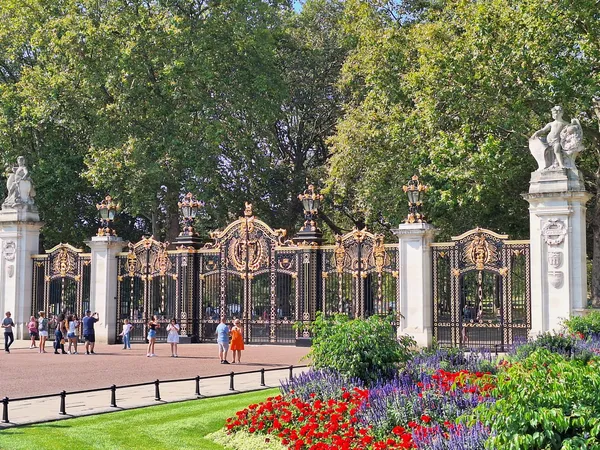
Highlights
The park's lack of formal flowerbeds and buildings gives it a uniquely open and natural feel compared to its flashier neighbors.
You can find plenty of benches, shade, and even deck chairs for a comfortable visit.
Nearby eats
See more eats
Who it's for
This park is ideal for anyone seeking a calm pause from city life, whether for unhurried walks, picnics, or simply relaxing. It's also great for families with children and dog owners.
Know before you go
While there is paid parking available, free street parking options also exist.
Nearby stays
Reviews
4.6
Exceptional
5 ReviewsVisitors appreciate Green Park as a peaceful and understated escape with lush greenery and well-maintained paths, perfect for relaxing walks and picnics. Many highlight its tranquil atmosphere and convenient access to Buckingham Palace and public transportation.
Fun facts
The park was first enclosed in the 17th century by King Charles II and was officially renamed The Green Park in 1746.
Oral history suggests the park's lack of flowers stems from a feud between King Charles II and his Queen Consort, Catherine of Braganza, who ordered all flowers removed after discovering he picked them for another woman.
The park was a popular spot for ballooning attempts and public firework displays in the 18th and 19th centuries, with Handel's Music for the Royal Fireworks composed for a celebration here in 1749.