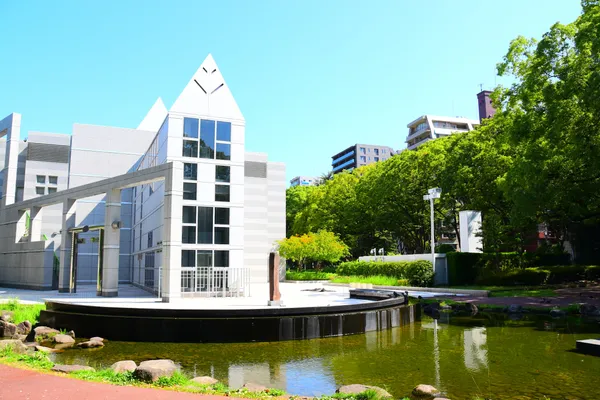
Nagoya City Art Museum
4.1
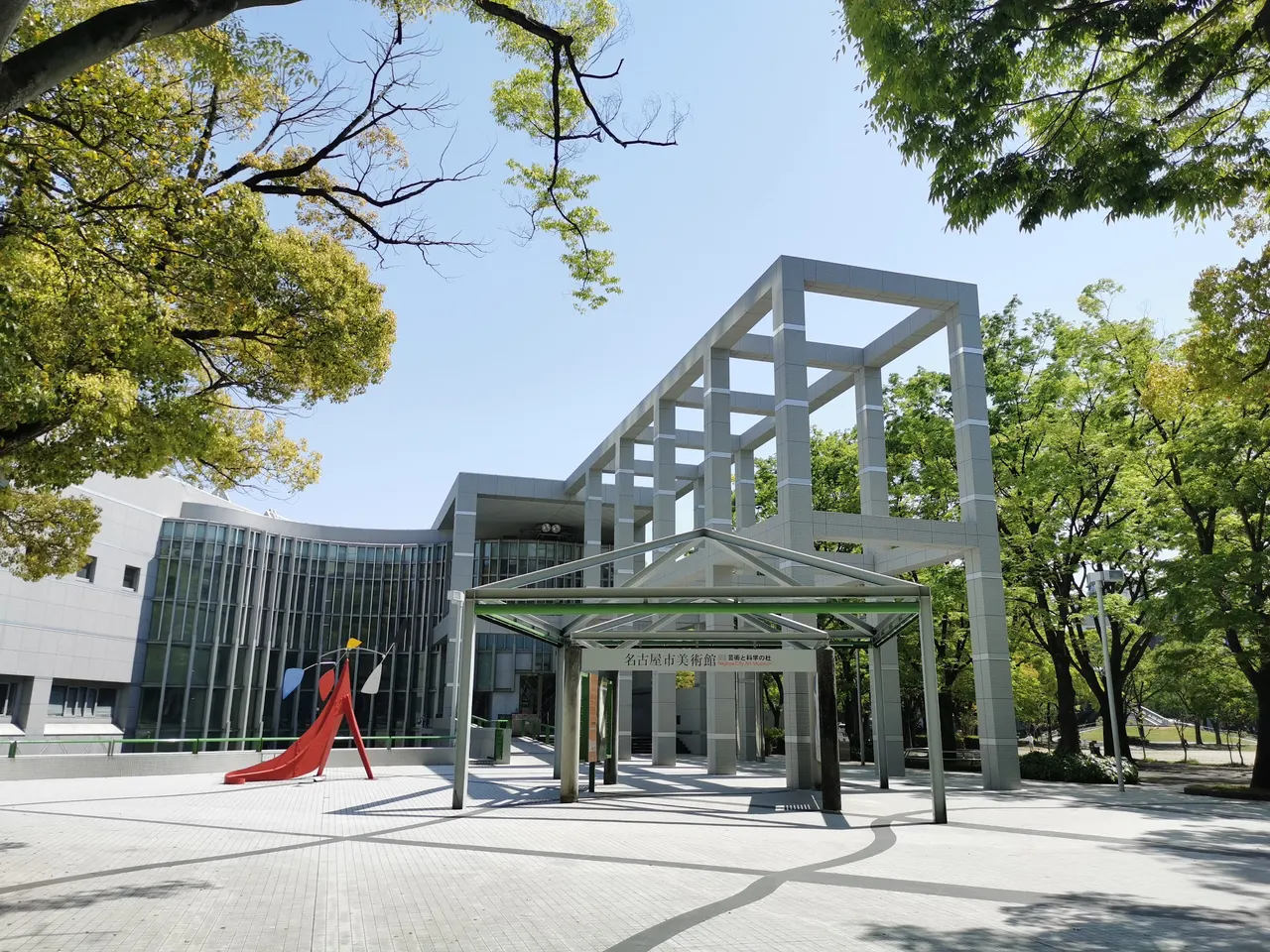
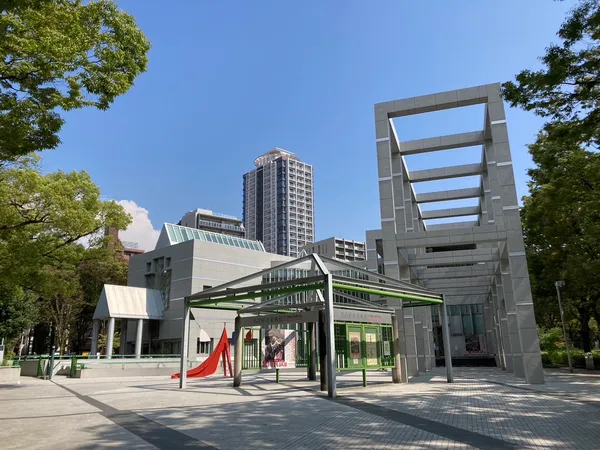
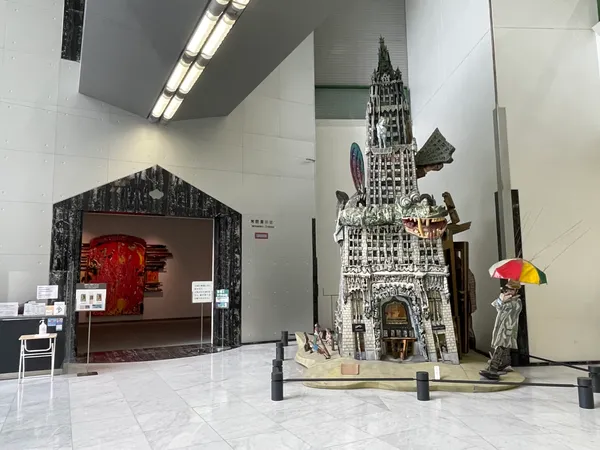
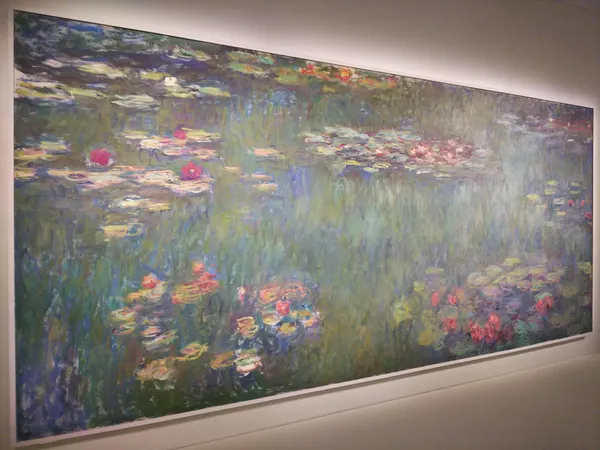
(2.9k)This modern art museum in Shirakawa Park features both permanent and temporary exhibitions of contemporary art. Its collection focuses on local art from the Nagoya region, the École de Paris, the Mexican Renaissance, and postwar and contemporary art. The museum building itself is a notable work of architecture, designed by Kisho Kurokawa.
Address
Japan, 〒460-0008 Aichi, Nagoya, Naka Ward, Sakae, 2-chōme−17−25 芸術と科学の杜・白川公園内
Opening Hours
9:30 AM – 5:00 PM (Thu)
Phone
+81 52-212-0001
Worth it?
Worth it if you want a calm, relaxed viewing experience with a mix of famous and local artists
Skip if you dislike strict museum rules or expect extensive English information for all exhibits
Location
Japan, 〒460-0008 Aichi, Nagoya, Naka Ward, Sakae, 2-chōme−17−25 芸術と科学の杜・白川公園内
Nearby places
See more
Highlights
The permanent collection includes works by famous artists such as Modigliani, Chagall, and Diego Rivera.
The museum's design by Kisho Kurokawa incorporates a sunken garden to bring natural light to the underground permanent galleries.
Nearby eats
See more eats

Who it's for
Art enthusiasts interested in a diverse collection, including well-known international artists and local Japanese art. It's also suitable for those who appreciate modernist architecture.
Know before you go
The museum is closed on Mondays, or on Tuesday if Monday is a national holiday.
There are two ticket prices: one for regular entry to the permanent collection and another, higher price if you want to see a special exhibition.
Restrooms may not have paper towels or hand dryers.
Nearby stays
Reviews
4.1
Good
5 ReviewsVisitors generally find the museum to have interesting special exhibitions and a permanent collection with notable artists. Many appreciate the calm atmosphere, clean facilities, and free lockers. However, some reviewers noted overly strict monitoring by attendants and a lack of English information for certain exhibits.
Fun facts
The museum opened on April 22, 1988, and its collection building began in 1983.
The building was designed by renowned architect Kisho Kurokawa.