Tsuruma Park
4.2
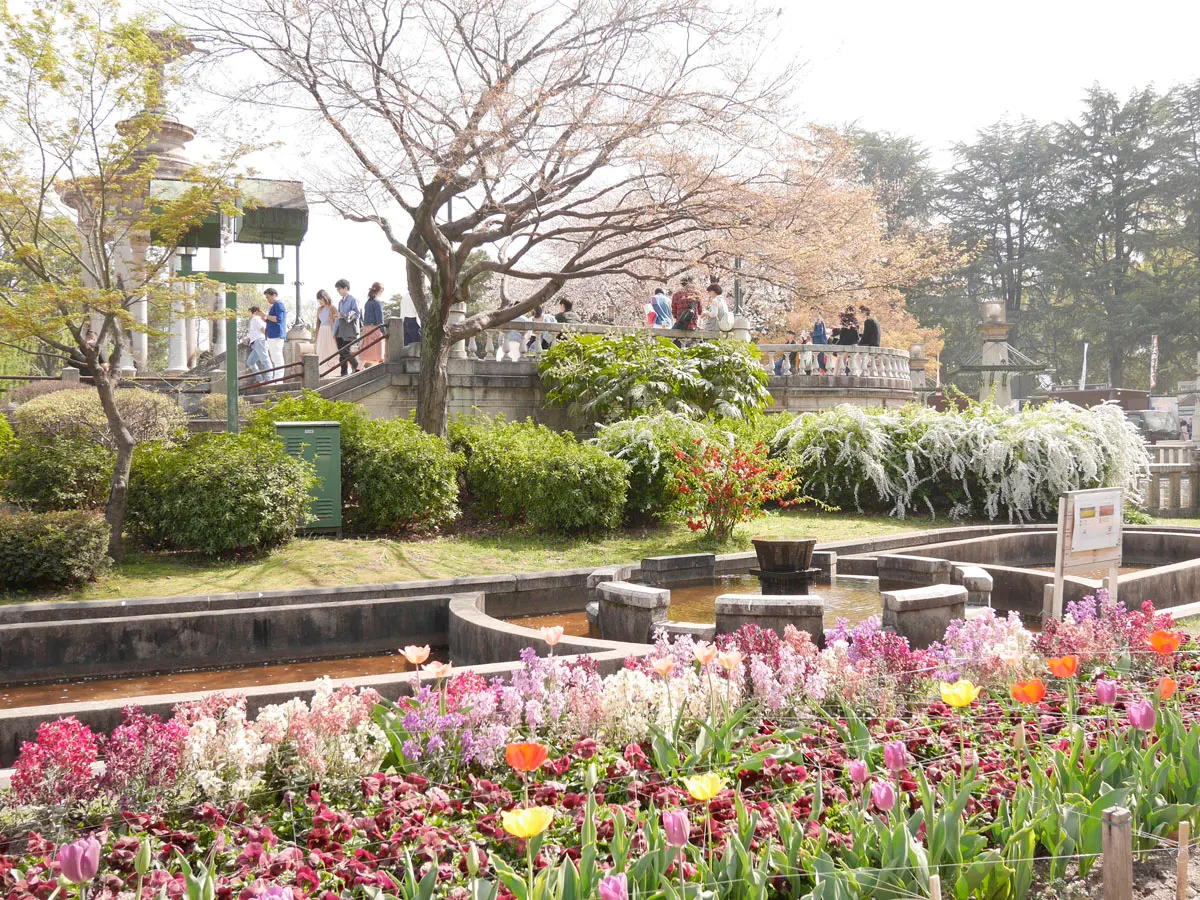
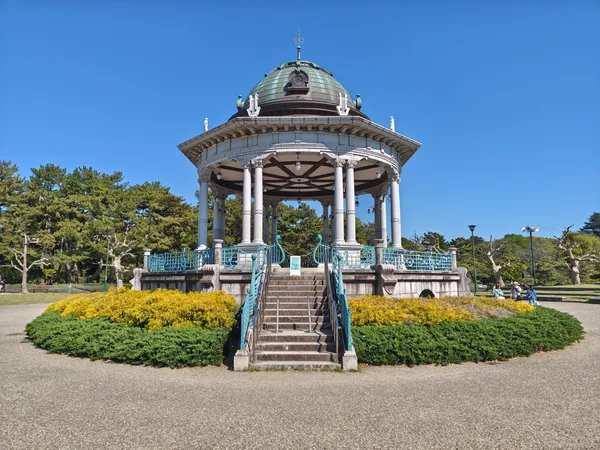
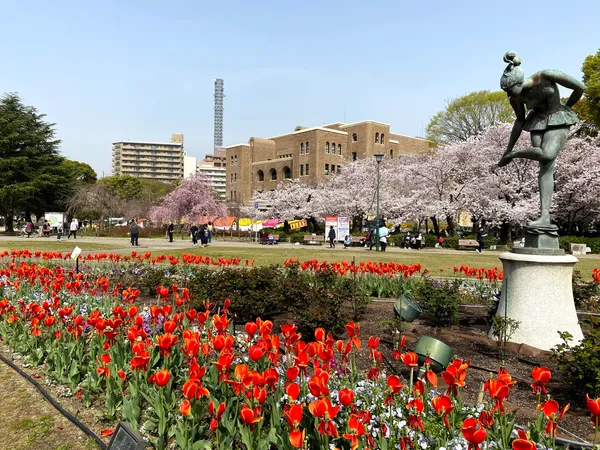
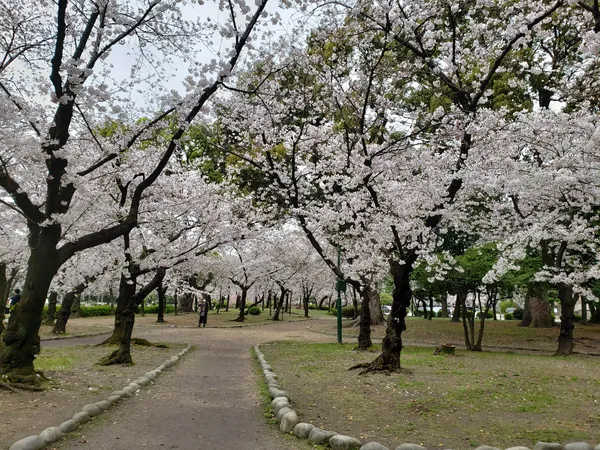
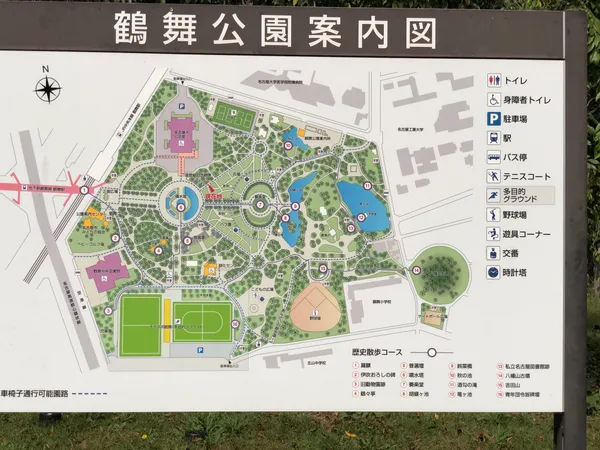
(8.4k)Tsuruma Park is a historic urban park in Nagoya, known for its seasonal flowers, including a cherry blossom forest and a well-maintained rose garden. It features a large water fountain and a gazebo in a European style from the early 20th century. The park is a popular spot for outings and events, especially during the cherry blossom season.
Address
1-chōme-1-1 Tsurumai, Showa Ward, Nagoya, Aichi 466-0064, Japan
Website
Opening Hours
OPEN 24 HOURS (Thu)
Phone
+81 52-733-8340
Worth it?
Worth it if you want a lively park experience with plenty of food options and beautiful flowers
Skip if you prefer quiet, secluded green spaces, especially during peak seasons
Location
1-chōme-1-1 Tsurumai, Showa Ward, Nagoya, Aichi 466-0064, Japan
Nearby places
See more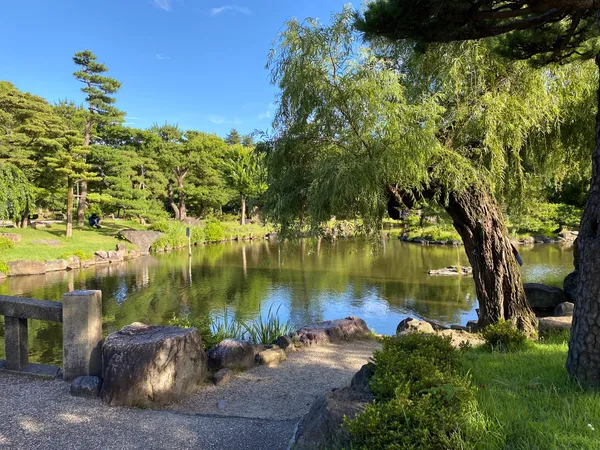
Highlights
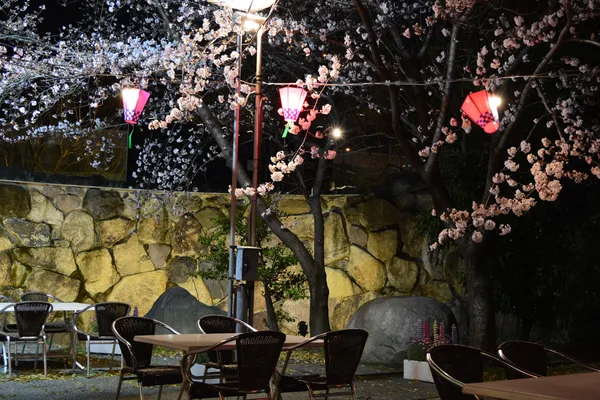
During cherry blossom season, specific areas are cordoned off for picnicking, but a central trail allows visitors to walk directly through the blooming flowers.
The water fountain is particularly scenic at night, offering a different perspective than during the day.
In mid-November, the park's rose garden is in full bloom with a variety of colors.
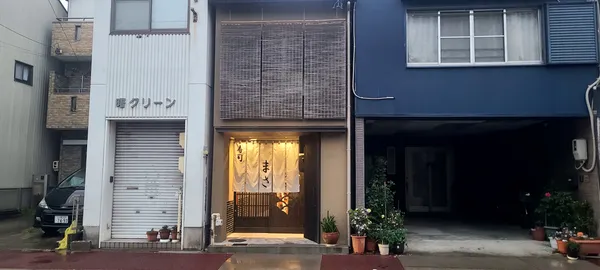
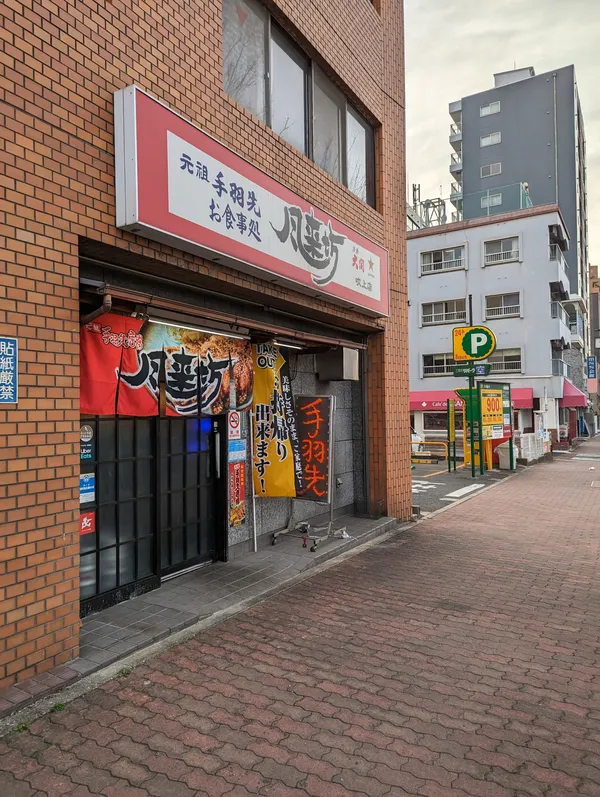
Nearby eats
See more eats
Who it's for
This park is ideal for families, dog owners, and anyone looking for a relaxing outdoor experience with beautiful scenery. It's also great for those who enjoy seasonal events and food stalls.
Know before you go
The park has paid parking lots and paid street parking available.
While generally open 24 hours, specific events or seasonal blooms might have different crowd patterns.
Nearby stays
Reviews
4.2
Very good
5 ReviewsReviewers love Tsuruma Park for its stunning seasonal flowers, particularly the cherry blossoms and rose garden, and appreciate the diverse food options available, especially during events. Many highlight its easy access by train, though some note it can get crowded on weekends.
Fun facts
The park's history dates back to 1909, and it hosted the 10th Kansai Area Prefectural Union Joint Exposition in 1910.
The fountain tower, designed with a combination of Eastern and Western styles, was designated a Municipal Cultural Property in 1986.
The park's fountain became a known "pilgrimage site" for Pokémon Go players because it resembles a Poké Ball from above.