Catacombs of Paris
4
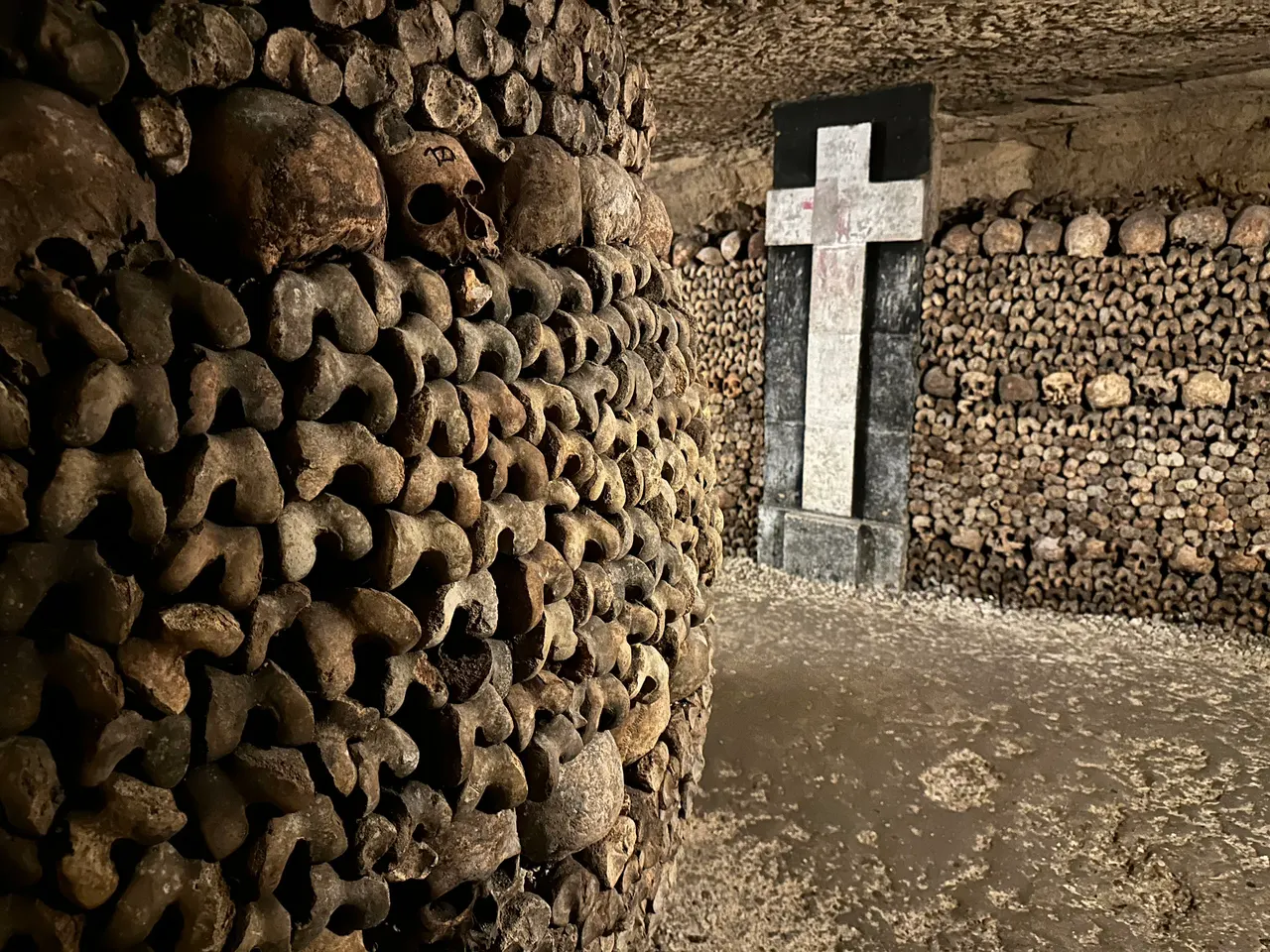
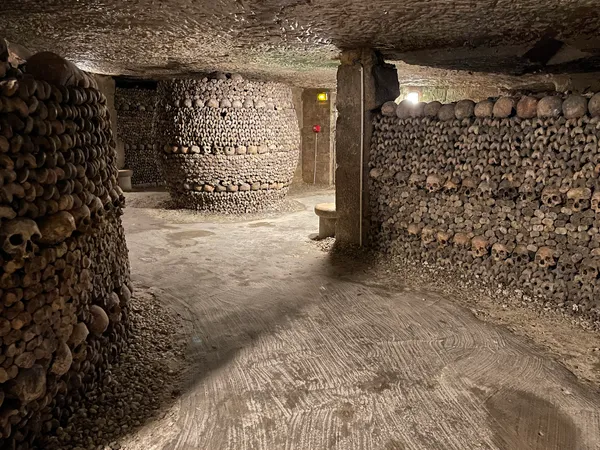
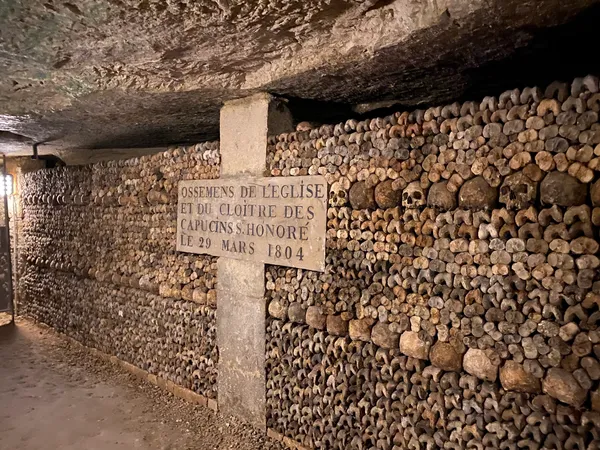
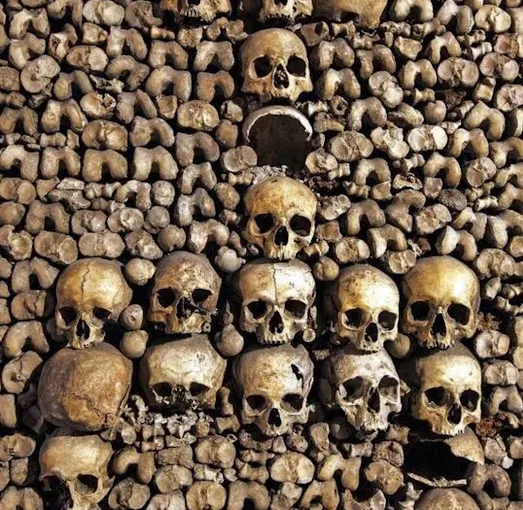
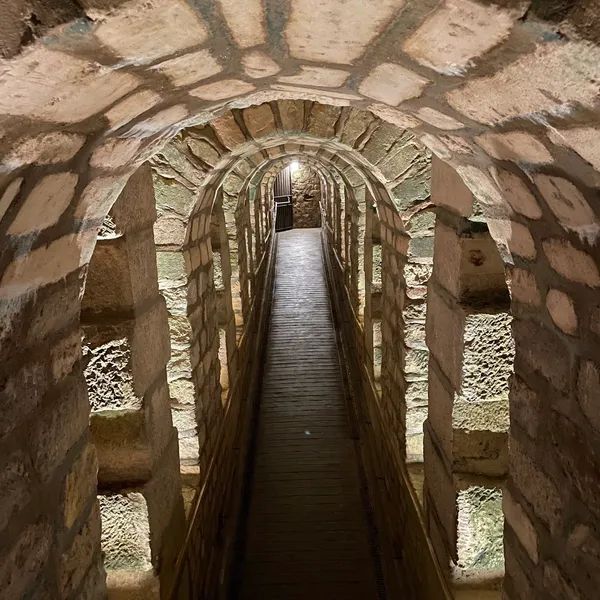
(10.2k)An underground ossuary in former limestone mines, the Catacombs of Paris hold the remains of more than six million people. It's an extensive, atmospheric labyrinth where bones and skulls are carefully arranged, telling a solemn and deeply historical story of how a dense city grappled with overflowing cemeteries.
Address
1 Av. du Colonel Henri Rol-Tanguy, 75014 Paris, France
Worth it?
Worth it if you want a haunting, powerful, and unique historical experience beneath Paris
Skip if you're easily disturbed by large quantities of human remains or prefer above-ground attractions
Location
1 Av. du Colonel Henri Rol-Tanguy, 75014 Paris, France
Nearby places
See more

Highlights
The sheer volume of bones, arranged without hierarchy, offers a humbling and unique experience.
The high-quality audio guides are available in multiple languages and provide detailed information without being boring.
Nearby eats
See more eats
Who it's for
This is for history buffs, those interested in architecture or morbid history, and anyone curious about how Paris managed its dead. It's also suitable for families, as reviewers note it's well-organized and fascinating.
Know before you go
Security is tight, and visitors are frequently monitored to prevent damage to the bones.
It's advisable to get tickets in advance, as they can sell out for the day, especially on Fridays.
Nearby stays
Reviews
4
Good
5 ReviewsVisitors find the Catacombs a haunting, powerful, and unforgettable experience, highlighting the unique arrangement of bones and the well-organized entry system. Many recommend booking tickets in advance due to high demand.
Fun facts
The ossuary was created as part of an effort to eliminate the effects of Paris's overflowing cemeteries, with preparation beginning after a series of basement wall collapses in 1774.
Nightly processions of covered wagons transferred remains from most of Paris's cemeteries to a mine shaft starting in 1788.
The Catacombs were largely forgotten until the early 19th century when they became a novelty spot for concerts and private events.
The ossuary opened to public visitation in 1874 after further renovations and the construction of new accesses.