Passage des Panoramas
4.5
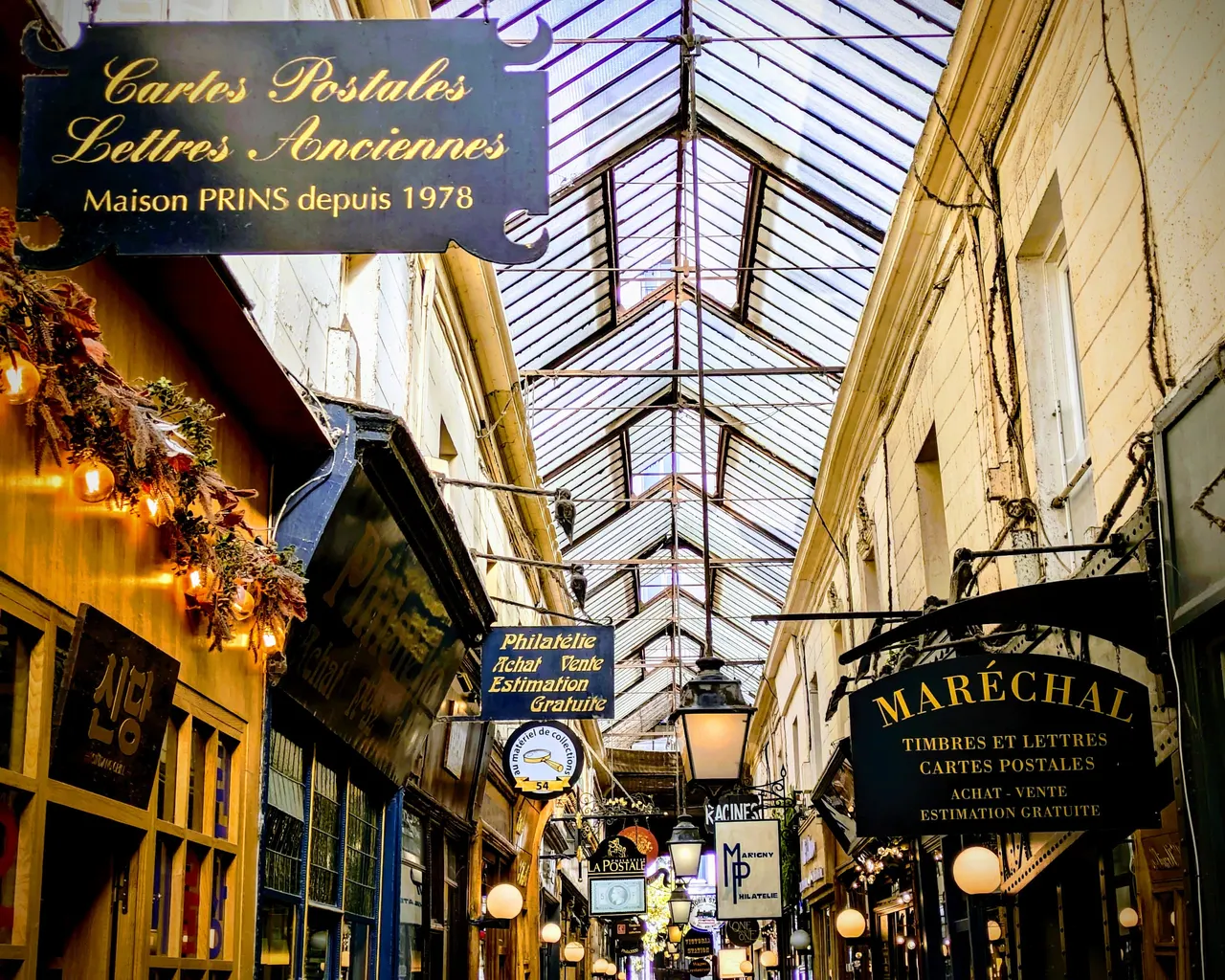
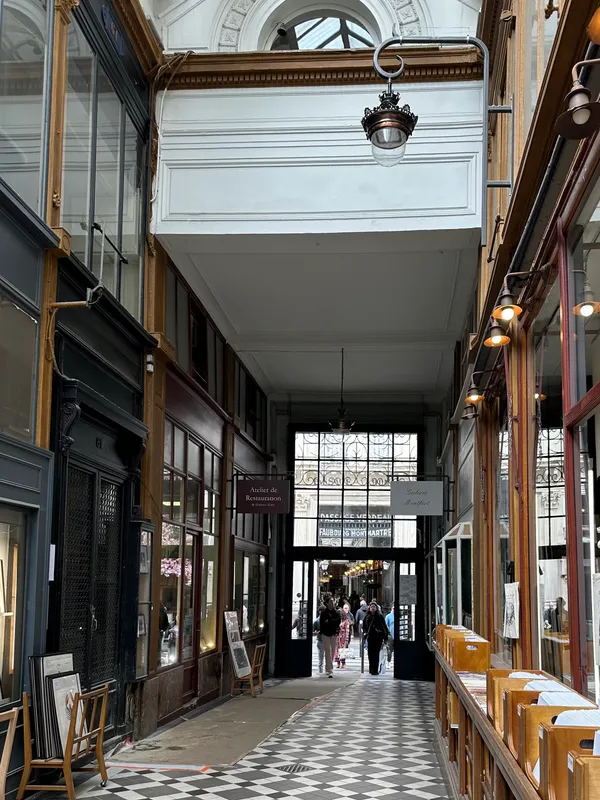
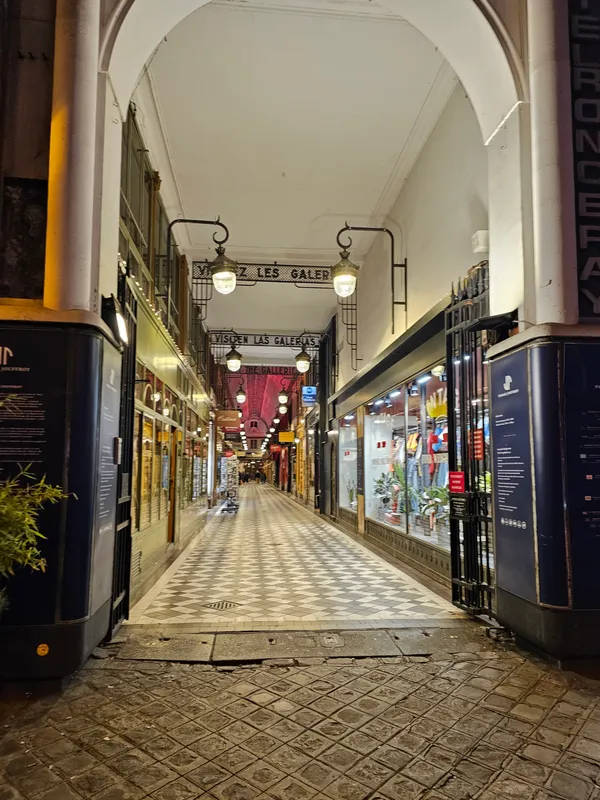
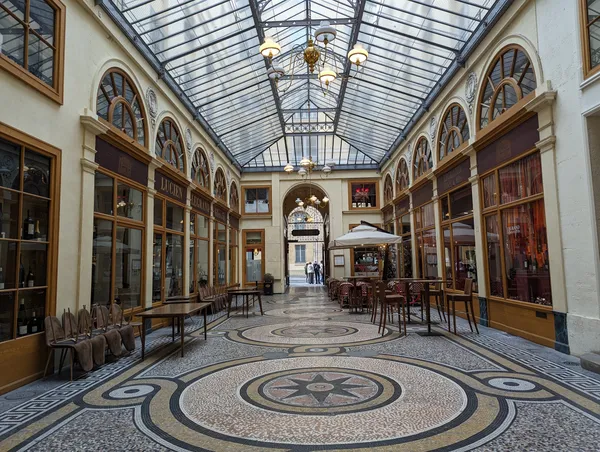
(3.2k)The Passage des Panoramas is the oldest of Paris's covered passages, built in 1799. It's a historic walkway featuring shops, cafes, and ornate architecture, offering a glimpse into 19th-century Parisian commercial life. The passage was an early innovator with glazed roofing and gas lights, predating modern shopping malls.
Address
11 Bd Montmartre, 75002 Paris, France
Opening Hours
6:00 AM – 12:00 AM (Thu)
Worth it?
Worth it if you appreciate stepping back in time to explore vintage shops and cozy cafes
Skip if you're looking for modern, high-end retail
Location
11 Bd Montmartre, 75002 Paris, France
Nearby places
See more
Highlights
The intricate glass roof allows soft natural light to fill the space, making it an ideal spot on a rainy day.
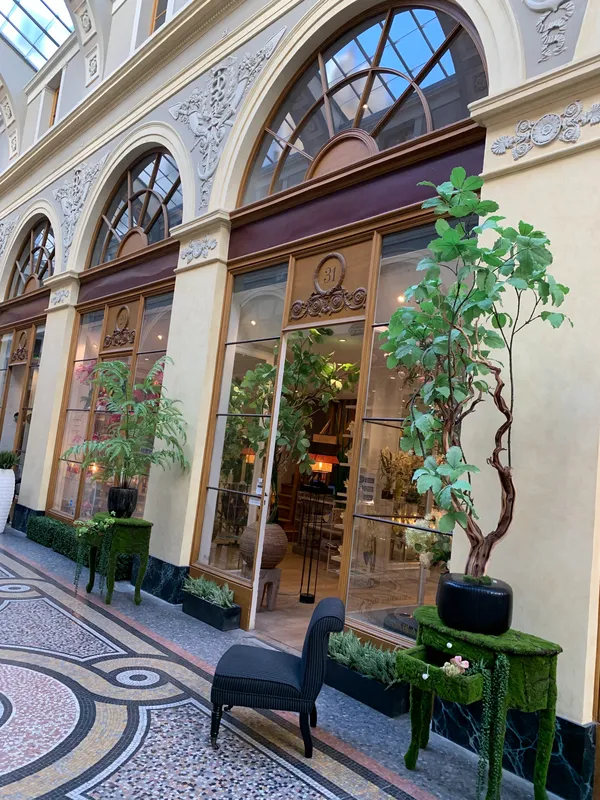
You can find vintage shops, antique bookstores, artisan boutiques, and philately (stamp) shops within the passage.
The passage connects to Passage Verdeau and Passage Jouffroy, each with its own specialty, offering a longer exploration.
Nearby eats
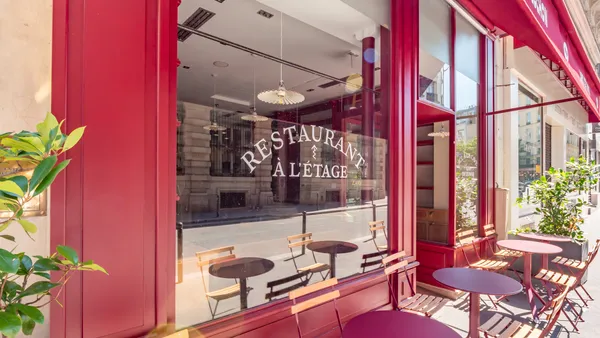
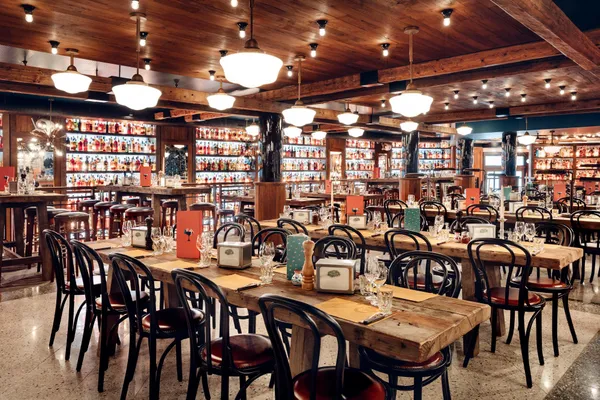
See more eats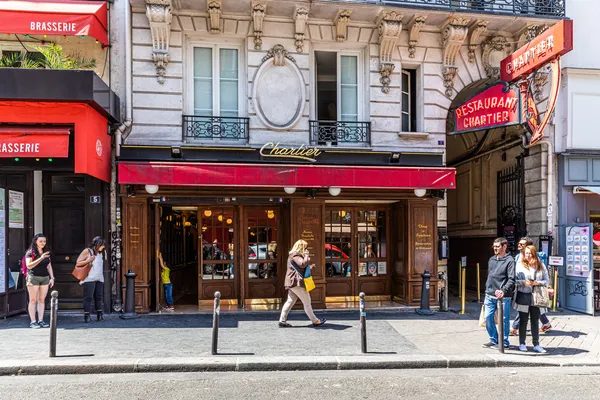

Who it's for
This passage is ideal for anyone who enjoys exploring historic architecture, browsing unique shops, or seeking a charming, peaceful escape from the elements. It's also good for families, as it's wheelchair accessible and good for children.
Know before you go
While open early and late, some shops may be closed in the evenings, so a morning visit is recommended for a more active experience.
Nearby stays
Reviews
4.5
Exceptional
5 ReviewsTravelers consistently praise the Passage des Panoramas for its historic charm and unique atmosphere, making it a great spot for photos and a pleasant walk. Many recommend visiting in the morning for a livelier experience and exploring the connected passages.
Fun facts
The passage's name came from two large rotundas that displayed panoramic paintings of cities like Paris and Rome, a business venture by American inventor Robert Fulton.
The doorway of the modern building on Rue Saint-Marc was originally the gateway of the Marechal de Montmorency's town residence, built in 1704.
The passage famously appears in the 1963 film Charade, featuring Audrey Hepburn and Cary Grant.