Komaba Park
4.3
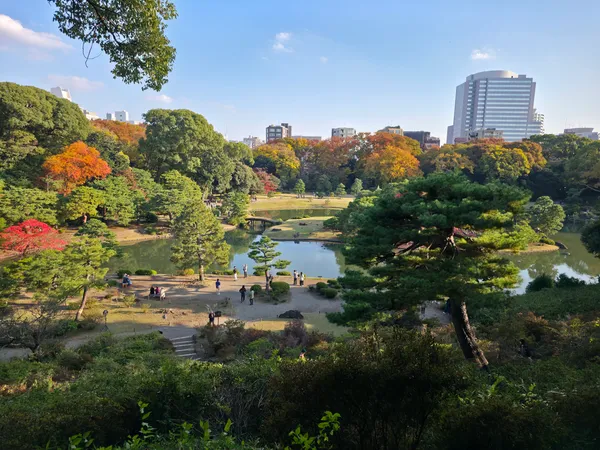
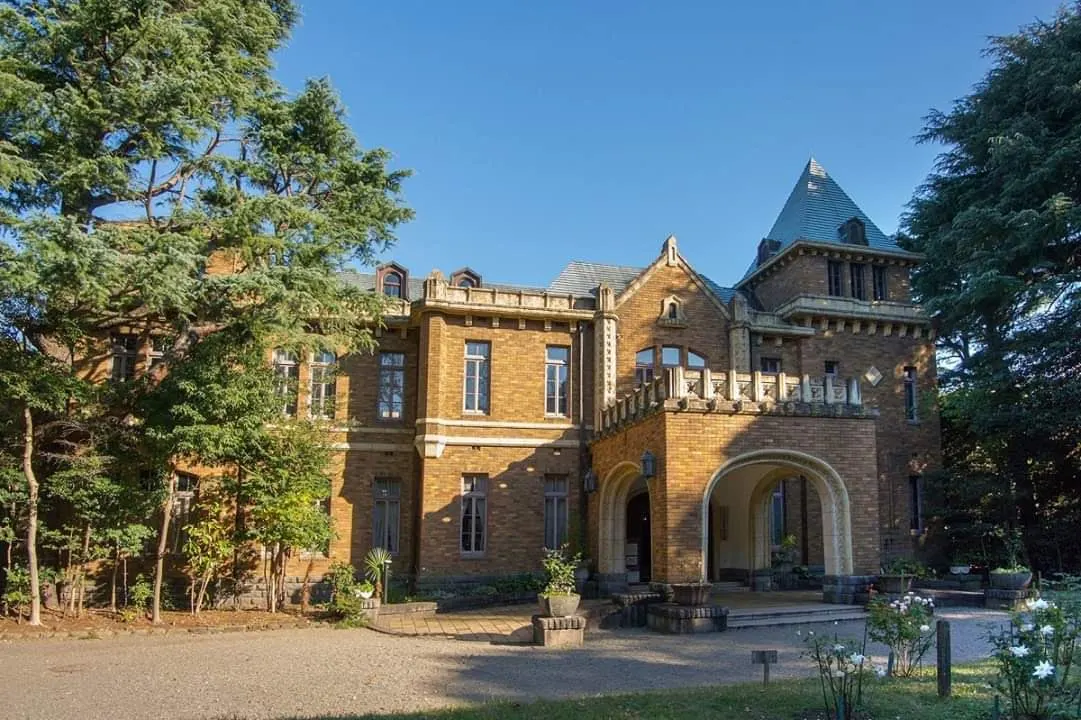
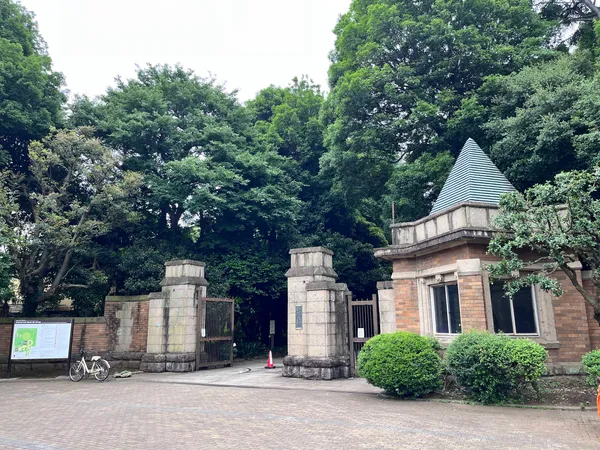
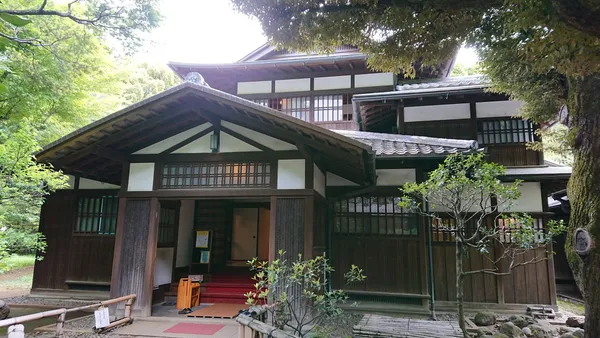
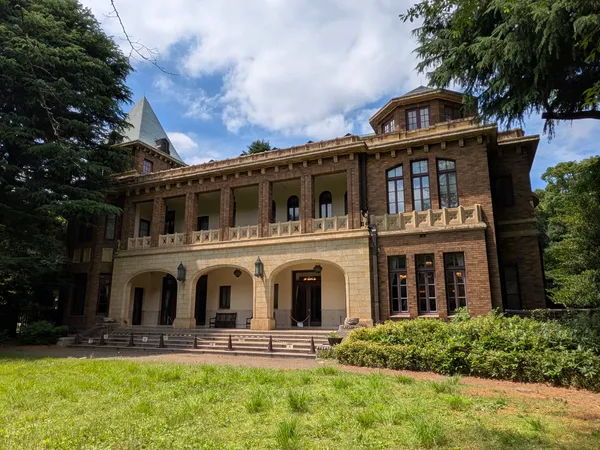
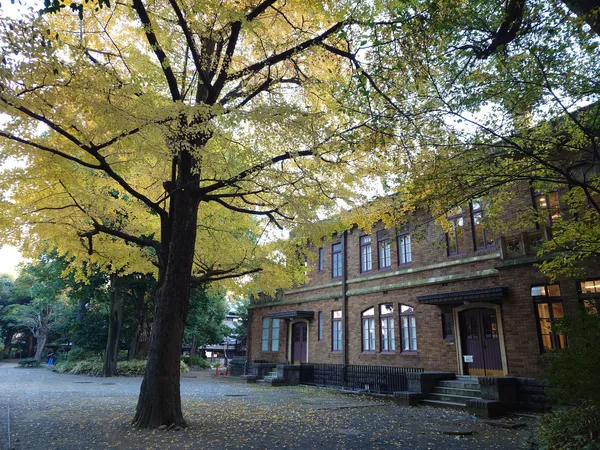
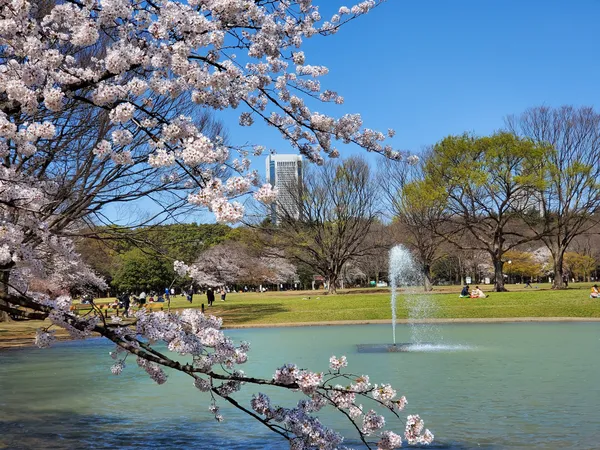
(730)Komaba Park is a green space in Tokyo, anchored by the former Maeda Residence, an ornate English-style mansion built in 1929. The park is popular for cherry blossom viewing and offers a quiet escape from the city. It also features a Japanese-style garden annex and is adjacent to the University of Tokyo, Komaba Campus.
Address
4-chōme-3-55 Komaba, Meguro City, Tokyo 153-0041, Japan
Opening Hours
9:00 AM – 4:30 PM (Thu)
Phone
+81 3-5722-9775
Worth it?
Worth it if you want a quiet, elegant experience with historical buildings and gardens
Skip if you're looking for a bustling, modern park
Location
4-chōme-3-55 Komaba, Meguro City, Tokyo 153-0041, Japan
Nearby places
See more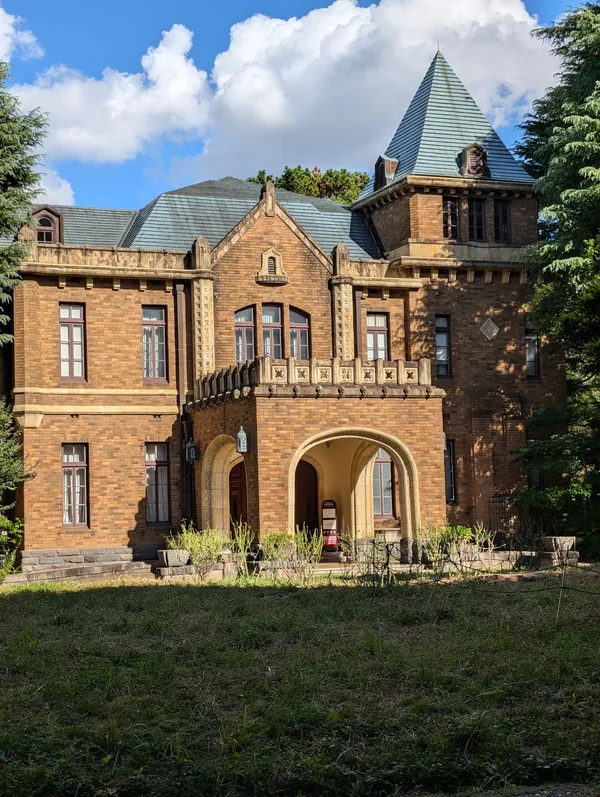
Highlights
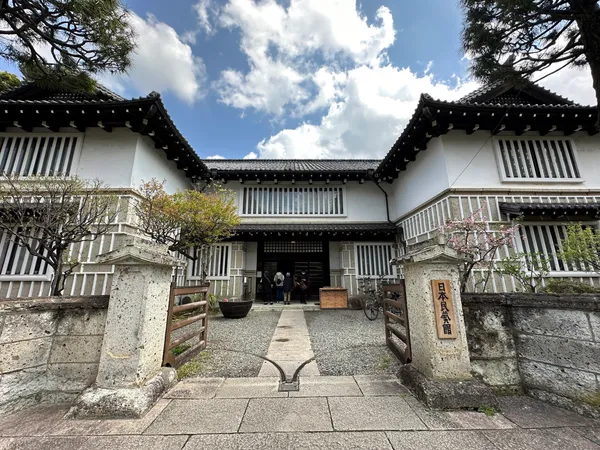
The former Maeda Residence includes both a Western-style mansion and a Japanese-style house, both of which are free to enter.
The park is a less crowded spot for cherry blossom viewing and picnics compared to other Tokyo locations.
The grounds can feel eerie as the sun sets, with unique bird sounds.
Nearby eats
See more eats

Who it's for
This park is ideal for anyone seeking a peaceful, green oasis in Tokyo, especially those interested in history, architecture, or a less crowded spot for cherry blossom viewing. It's also good for families, as it's considered kid-friendly.
Know before you go
Remember to take your shoes off when entering the mansion and Japanese tea house.
The European-style house is closed on Mondays, so plan your visit accordingly.
Nearby stays
Reviews
4.3
Very good
5 ReviewsVisitors consistently praise Komaba Park as a tranquil, green retreat with well-kept gardens and the historic Maeda Residence. Many highlight the free entry to both the Western and Japanese-style mansions, often with volunteer tours, and note it as a good, less crowded option for cherry blossom viewing and picnics.
Fun facts
The Western-style residence was built in 1929 for the 16th Marquis, Toshinari Maeda, and was designed to withstand earthquakes.
The Japanese-style garden annex was added in 1930 to host overseas visitors, as the Marquis served as a military attaché to Great Britain.
From the end of World War II until 1957, the mansion was requisitioned by SCAP and served as a residence for US Air Force generals.