Talat Noi
4.5
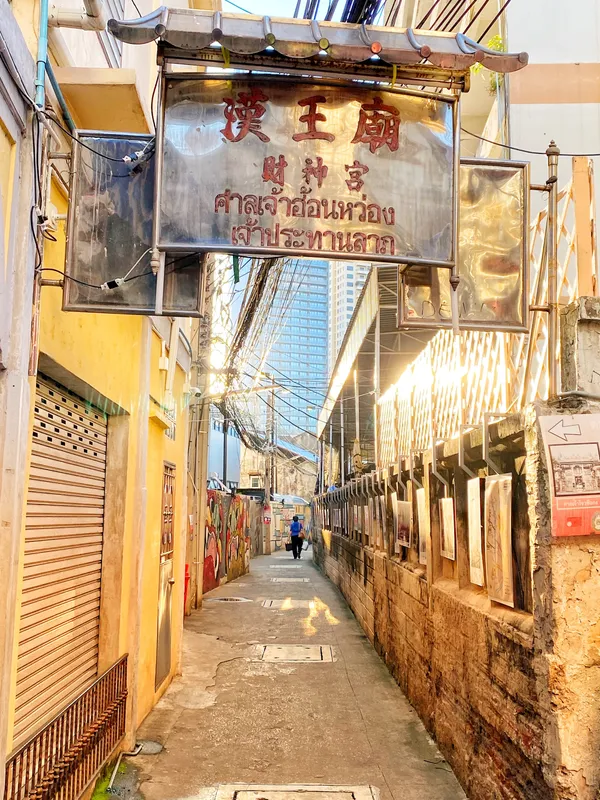
(2.3k)Talat Noi is a historic riverside neighborhood in Bangkok, located just south of Chinatown. It's known for its narrow alleys, old industrial feel, and a mix of Chinese, Portuguese, and Vietnamese heritage. The area has evolved from a working port district to a cultural tourism destination, attracting visitors with its unique charm.
Address
22 ถ. เจริญกรุง Khwaeng Talat Noi, Khet Samphanthawong, Krung Thep Maha Nakhon 10100, Thailand
Worth it?
Worth it if you want to explore a quiet, historic neighborhood with a local feel and plenty of street art
Skip if you prefer perfectly clean, highly polished tourist zones
Location
22 ถ. เจริญกรุง Khwaeng Talat Noi, Khet Samphanthawong, Krung Thep Maha Nakhon 10100, Thailand
Nearby places
See more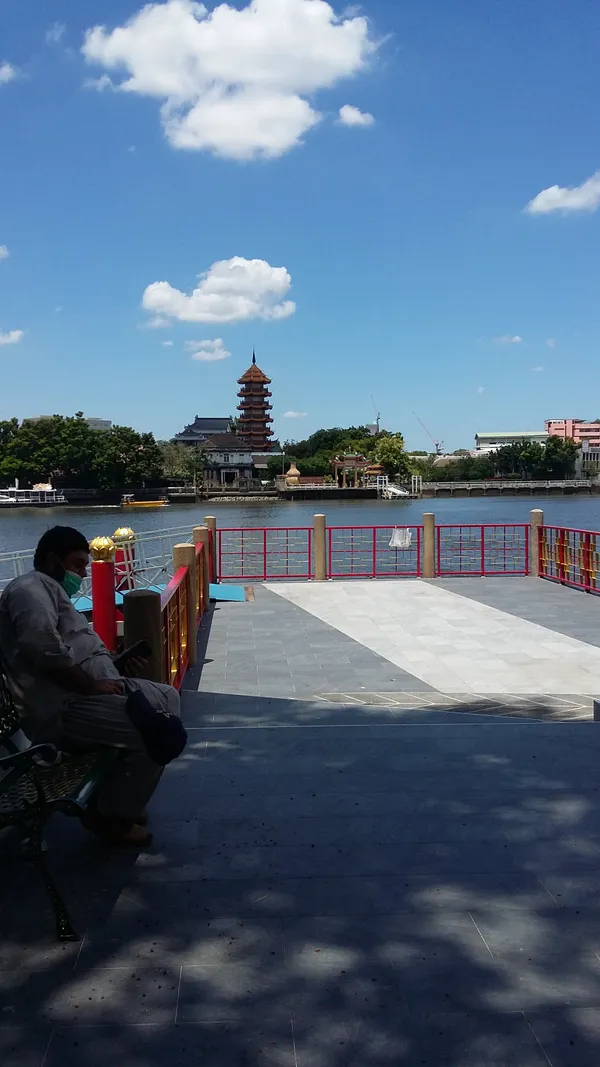

Highlights
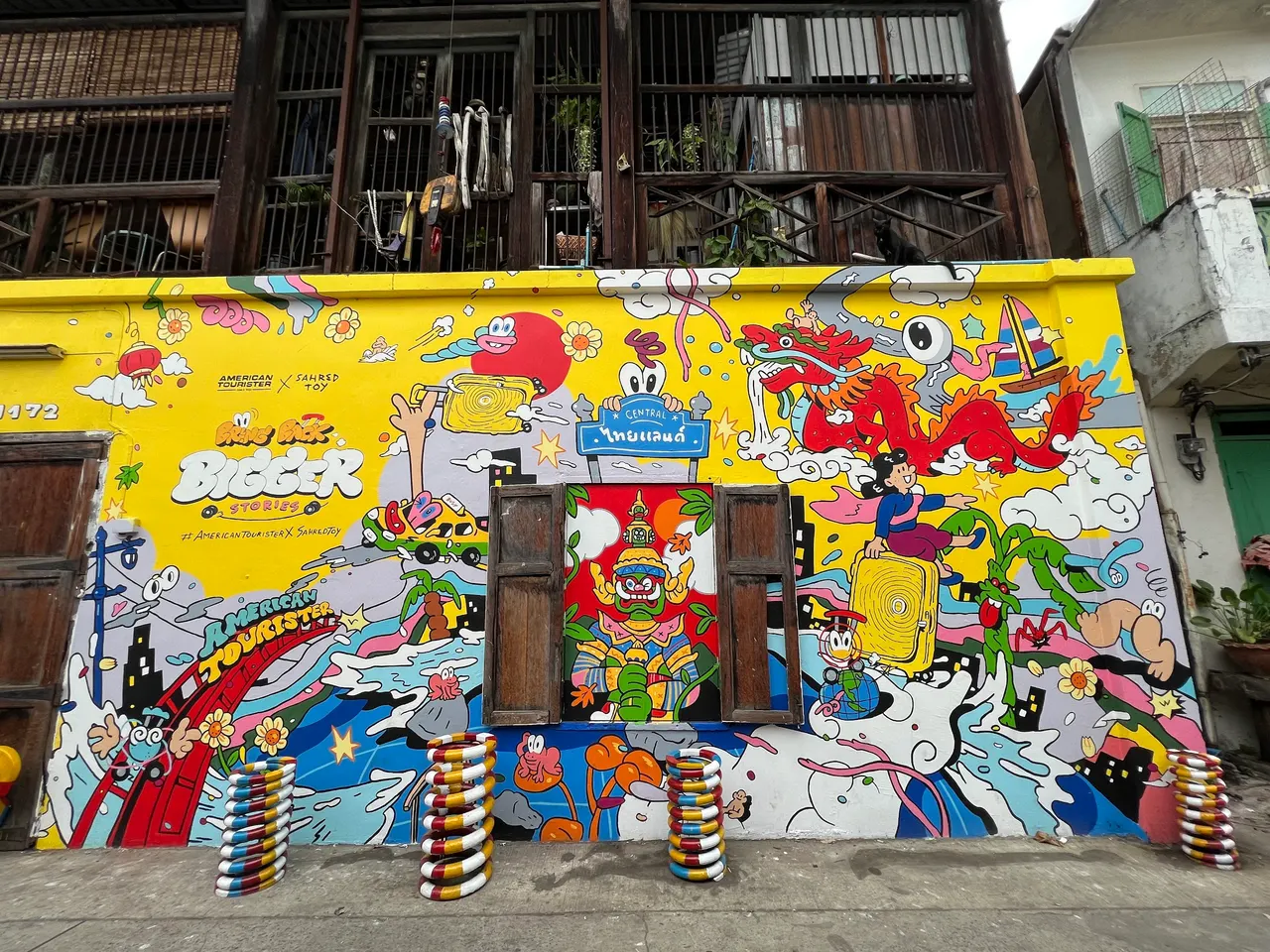
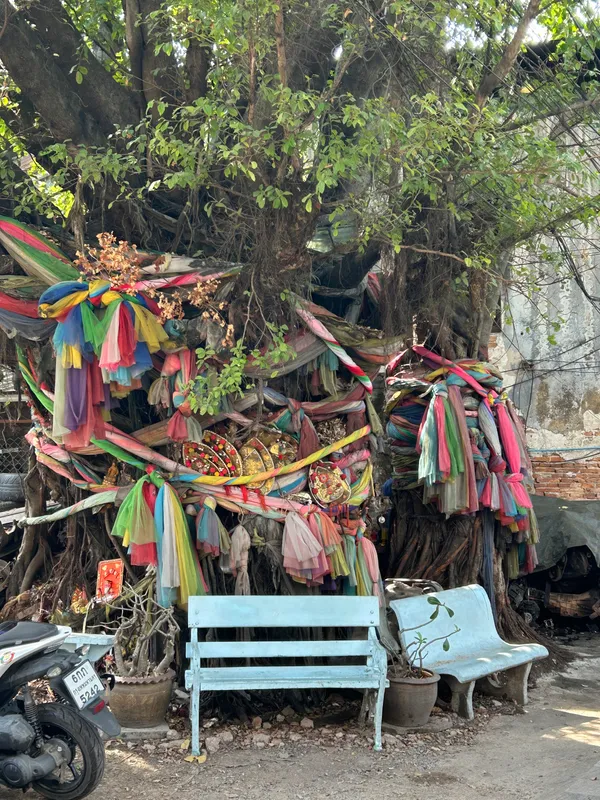
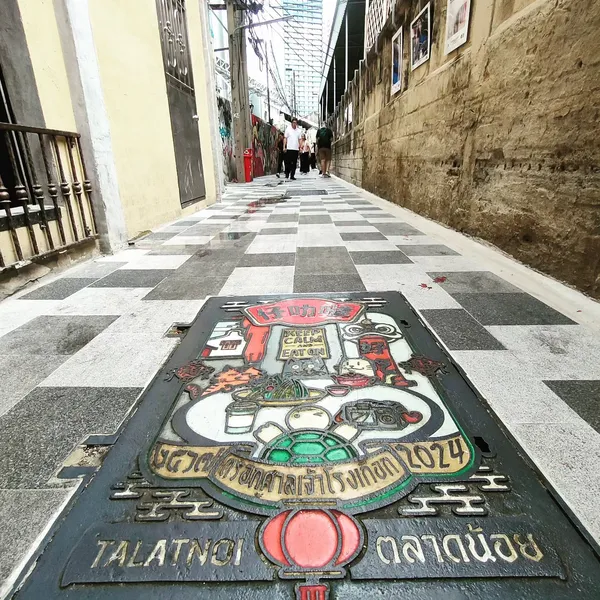
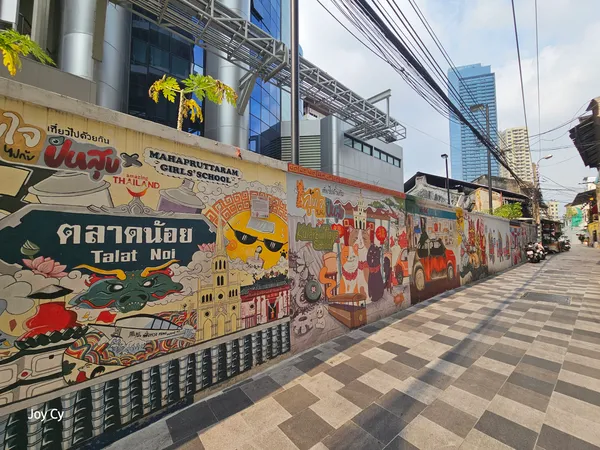
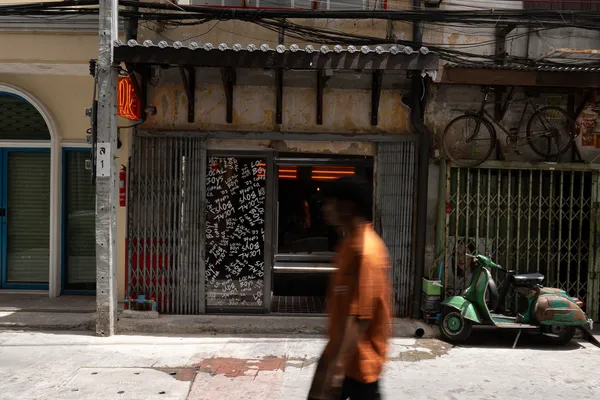
The neighborhood is a photographer's dream, with incredible graffiti and street art adorning the walls of its narrow alleys.
You'll find a unique blend of old engine parts and historic buildings, reflecting its past as a working port and the birthplace of Thailand's second-hand automotive parts trade.
Despite being a popular spot, many visitors find it to be a quiet residential area, offering an authentic local atmosphere rather than an overly touristy one.
Nearby eats
See more eats
Who it's for
This area is perfect for photographers, history buffs, and anyone looking for a more authentic, less crowded Bangkok experience. It's also good for families, offering a relaxed pace compared to busier areas.
Nearby stays
Reviews
4.5
Exceptional
5 ReviewsTalat Noi is generally loved for its authentic, quiet atmosphere, historic charm, and impressive street art, making it a great place for a relaxed wander and photography. While some found the attractions limited after an hour, many appreciated the local vibe and unique character.
Fun facts
The name "Talat Noi" means "little market" in Thai, derived from a Chinese name for the smaller market that developed south of the larger Sampheng market.
The neighborhood has been continuously settled by ethnic Chinese communities since the late 18th century, with Hokkien, Hakka, Hainanese, and Teochew Chinese settling alongside Portuguese Catholics and Vietnamese refugees.
Talat Noi was the birthplace of Thailand's second-hand engine and automotive parts trade, known as Sieng Kong, in the 20th century.