Altab Ali Park
4
(1.7k)Altab Ali Park is a small public green space in East London, built on the site of the former St Mary Matfelon Church. It serves as a memorial against racism and for unity, named after Altab Ali, who was murdered in a racist attack in 1978. The park also features a monument commemorating the Bengali language movement.
Address
Adler St, London E1 1FD, UK
Website
Opening Hours
OPEN 24 HOURS (Sun)
Phone
+44 20 7364 5227
Worth it?
Worth it if you want a quiet, reflective break with historical significance
Skip if you're expecting a large, bustling park with extensive natural features
Location
Adler St, London E1 1FD, UK
Nearby places
See more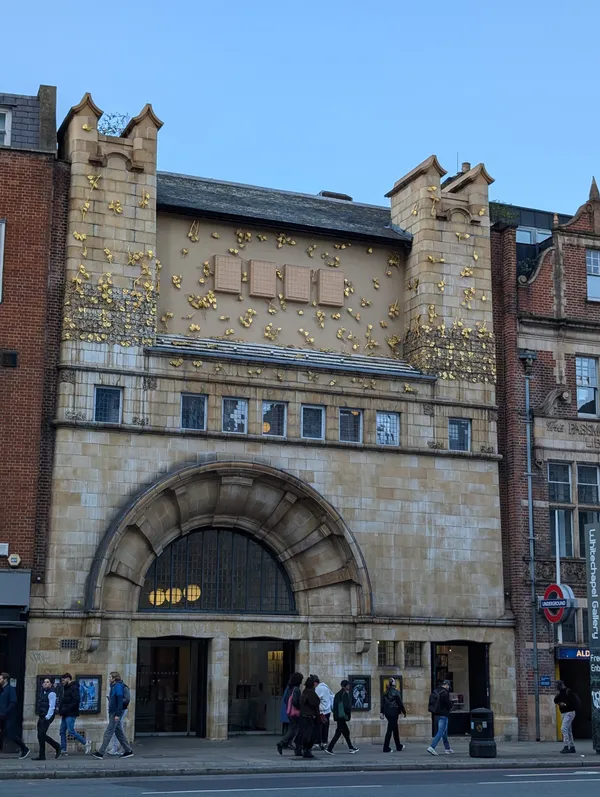

Highlights
At the park's entrance, an arch by David Petersen serves as a memorial to Altab Ali and other victims of racist attacks, blending Bengali and European design.
The Shaheed Minar, a replica of the monument in Dhaka, Bangladesh, stands in the southwest corner, symbolizing a mother and her martyred sons.
The park's calm pathways and open lawn sit atop the foundations and gravestones of the former St Mary Matfelon Church, giving it a reflective character.
Nearby eats
See more eats


Who it's for
This park is for anyone looking for a peaceful spot to relax and reflect, especially those interested in local history and culture. It's also a good place for families with children and dog owners.
Know before you go
The park is open 24 hours, but some areas can be dark at night, so exercise caution.
Nearby stays
Reviews
4
Good
5 ReviewsVisitors generally find Altab Ali Park to be a peaceful and historically significant green space, highlighting its beautiful memorials and cultural importance. While it can get busy, its convenient location near Brick Lane and Whitechapel Art Gallery makes it a good spot to pause.
Fun facts
The park was formerly known as St Mary's Park and is the site of the old 14th-century St Mary Matfelon church, from which Whitechapel gets its name.
A fragment of a poem by Bengali poet Rabindranath Tagore, "The shade of my tree is offered to those who come and go fleetingly," was once spelled out in letters along the central path.