Chelsea Physic Garden
4.6
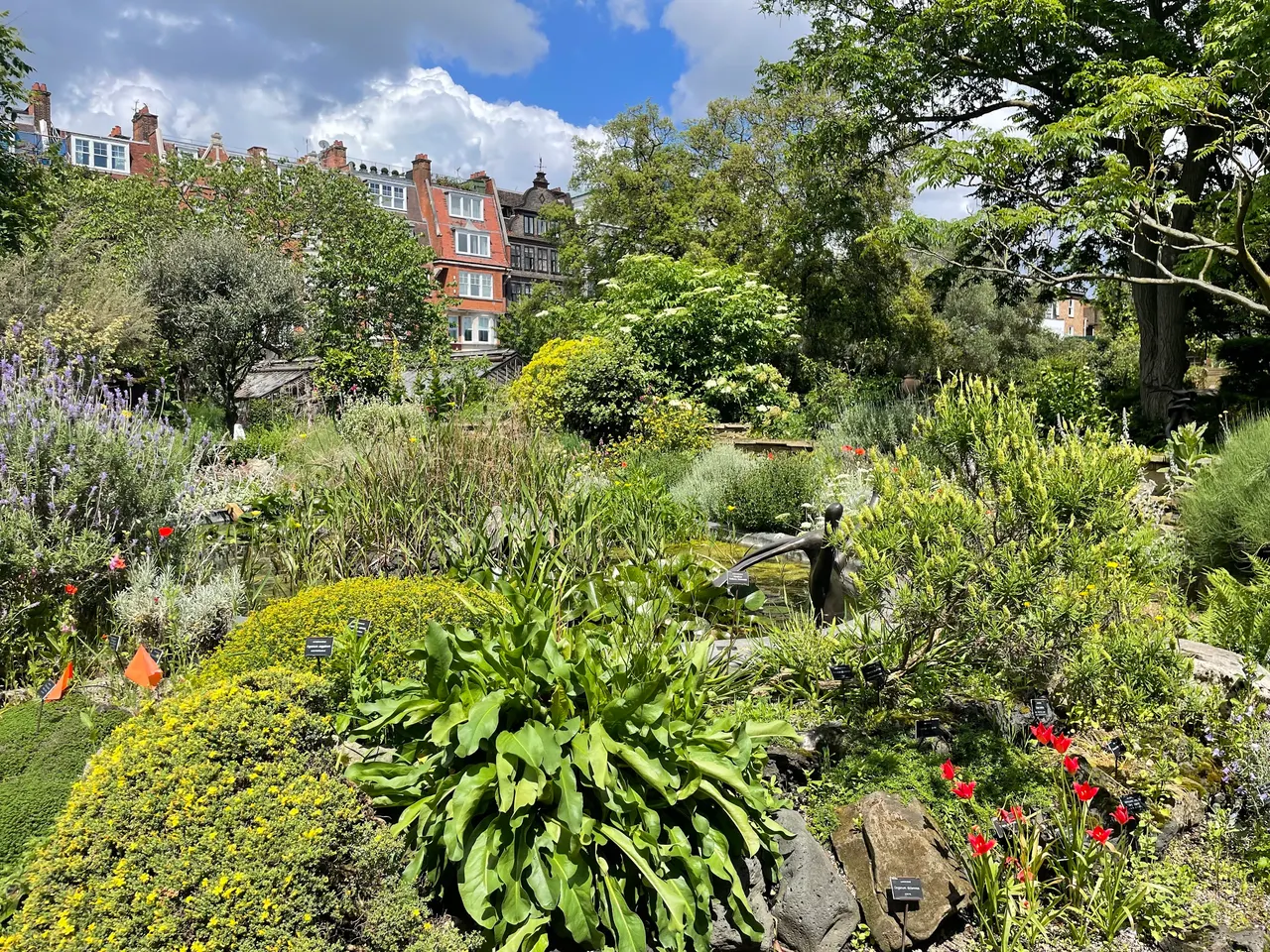
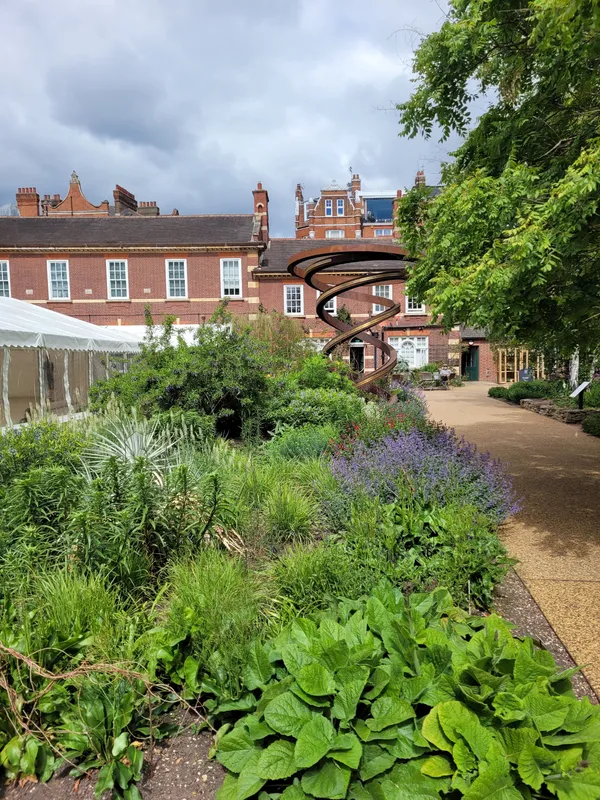
(2.3k)The Chelsea Physic Garden is the second-oldest botanical garden in England, founded in 1673 to study medicinal plants. This four-acre garden offers a tranquil escape in the city, featuring diverse plant collections, including a pharmaceutical garden and a garden of world medicine. It's known for its warm micro-climate, which allows for unusual plants to thrive.
Address
66 Royal Hospital Rd, London SW3 4HS, UK
Opening Hours
11:00 AM – 5:00 PM (Sun)
Phone
+44 20 7352 5646
Worth it?
Worth it if you're looking for a quiet, charming oasis with a rich history and diverse plant collections
Skip if you prefer large, sprawling gardens with extensive open lawns
Location
66 Royal Hospital Rd, London SW3 4HS, UK
Nearby places
See more


Highlights
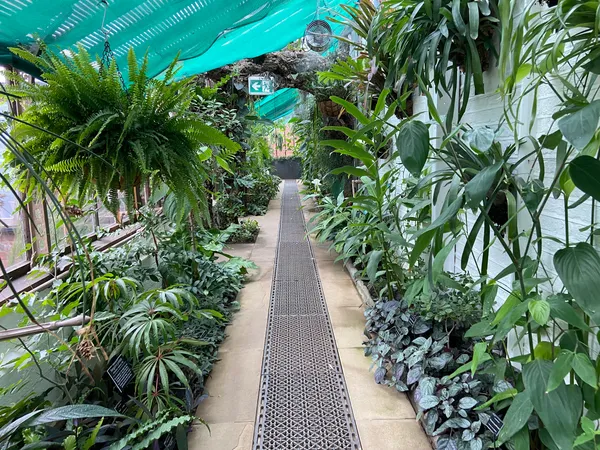
The small glasshouse dedicated to carnivorous plants and cacti is particularly good, as is the pelargonium house.
The garden features the oldest rock garden in Europe, specifically designed for alpine and Mediterranean plants.
You can find the largest fruiting olive tree in Britain and the world's northernmost grapefruit growing outdoors here, thanks to the garden's unique micro-climate.
Nearby eats
See more eats



Who it's for
This garden is ideal for anyone interested in botany, history, or a peaceful retreat from city life. It's also great for families with young children, as toddlers can enjoy running along the paths.
Know before you go
The garden is closed on Saturdays.
Nearby stays
Reviews
4.6
Exceptional
5 ReviewsReviewers consistently highlight the wide variety of interesting plants, including medicinal ones, and the well-maintained glasshouses. The peaceful and tranquil atmosphere is frequently mentioned, with many calling it a hidden gem and an oasis of calm. Guided tours are noted as informative, and the cafe receives praise for its delicious food.
Fun facts
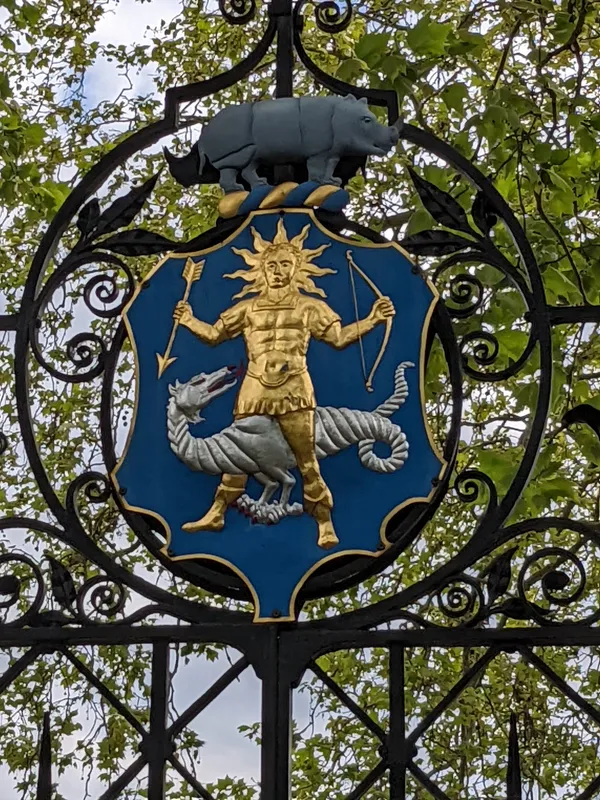
The garden was initially established by the Worshipful Society of Apothecaries to cultivate plants for medicinal use.
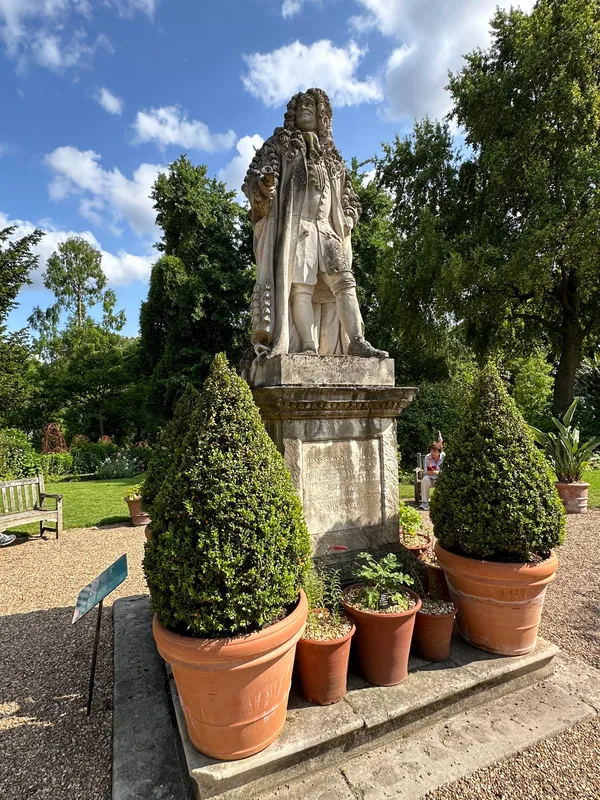
In 1722, Sir Hans Sloane leased the land to the Society of Apothecaries for £5 a year in perpetuity, with the condition that the garden supply the Royal Society with 50 herbarium samples annually.
The garden's seed-exchange program, established in 1682, played a role in introducing cotton to the colony of Georgia.