Eleanor Cross
4.6
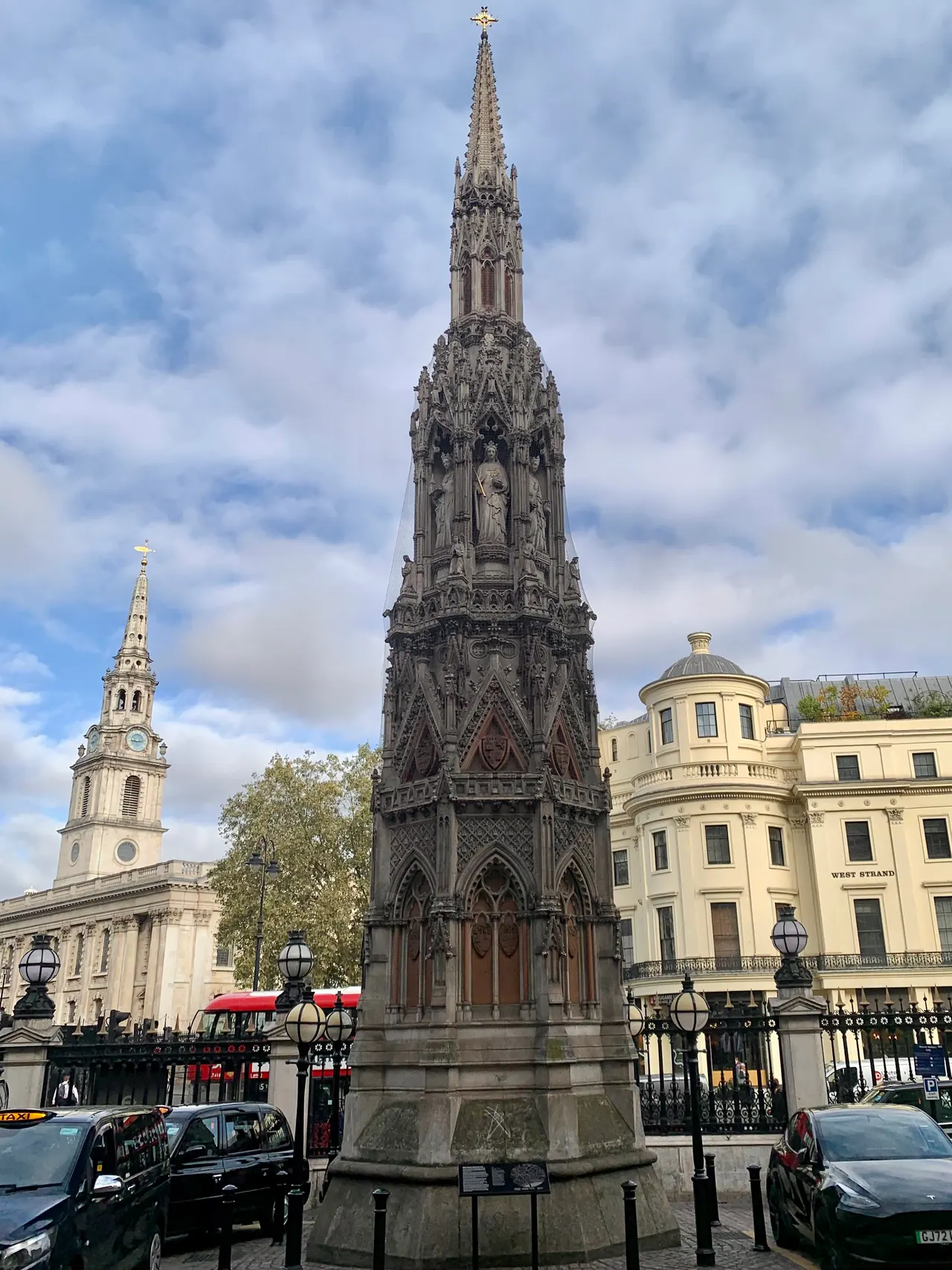
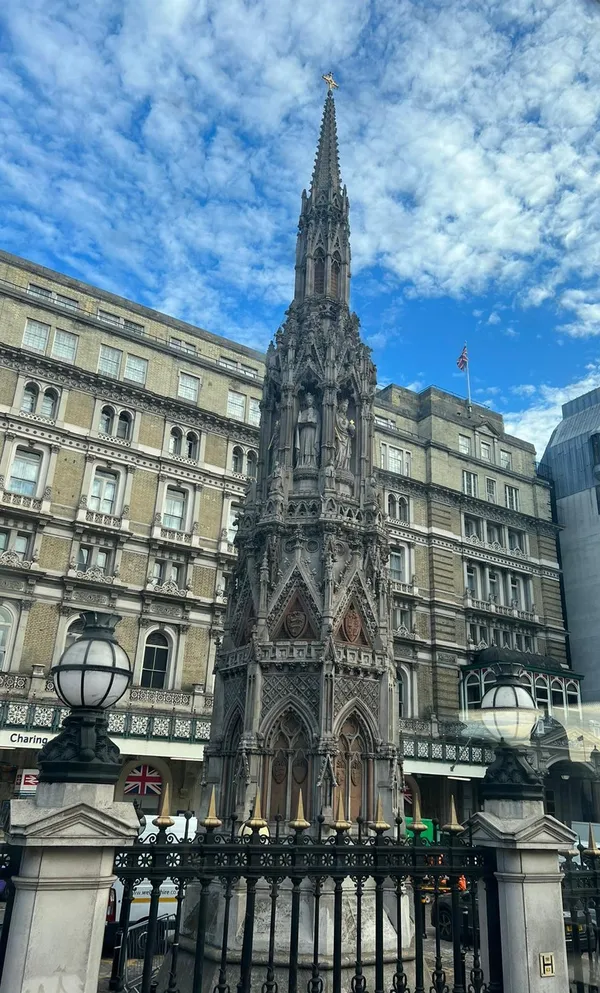
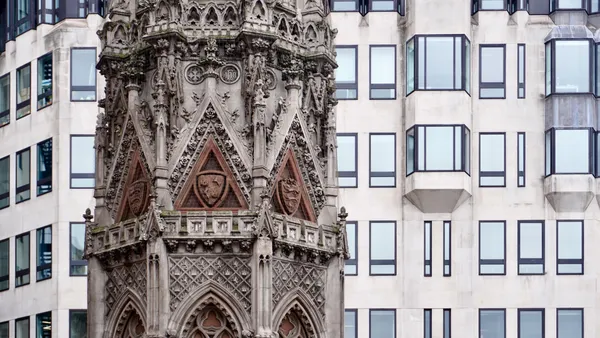
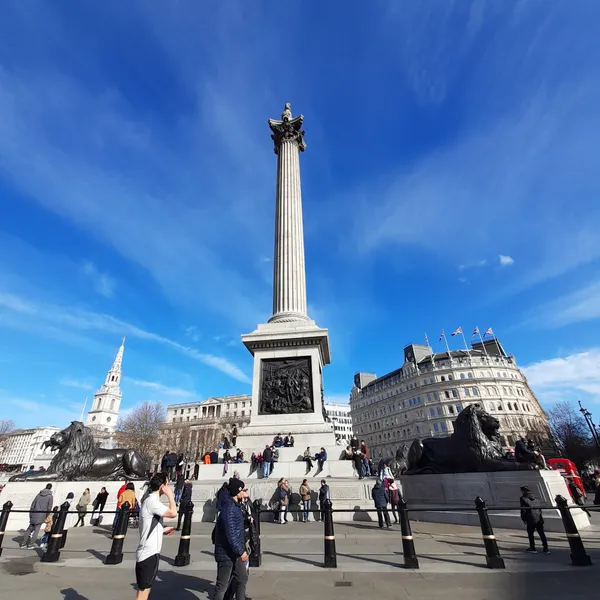
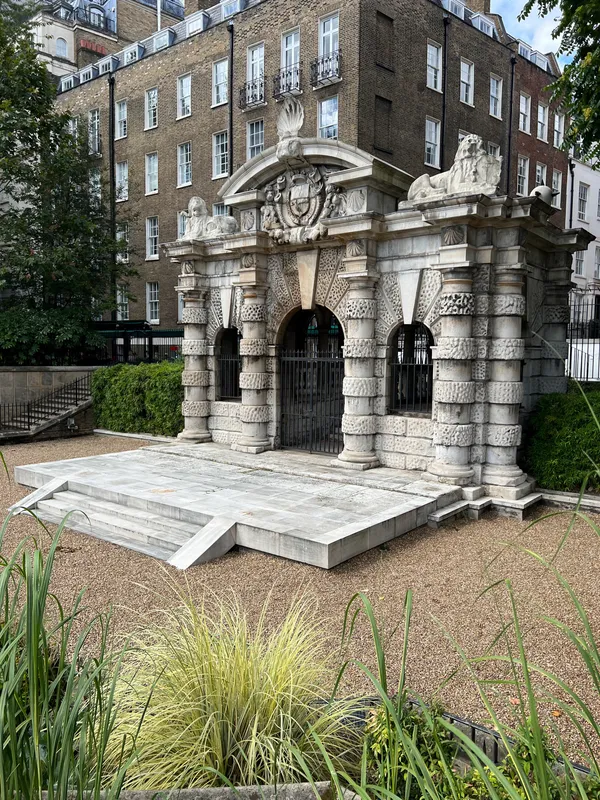
(93)The Eleanor Cross at Charing Cross is a Victorian-era replica of one of twelve medieval monuments commissioned by King Edward I to mark the nightly resting places of his wife, Queen Eleanor of Castile, on her funeral procession in 1290. The current structure, completed in 1865, features intricate Gothic architectural elements and sculptures depicting scenes from Eleanor's life. It stands as a tribute to royal devotion and medieval history, and is considered the official point from which all distances to London are measured.
Address
40 Strand, London WC2N 5PH, UK
Opening Hours
OPEN 24 HOURS (Sun)
Phone
+44 345 711 4141
Worth it?
Worth it if you appreciate historical symbolism and intricate Gothic architecture
Skip if you're expecting an original medieval artifact or a quiet, contemplative spot
Location
40 Strand, London WC2N 5PH, UK
Nearby places
See more
Highlights
The cross is a detailed 19th-century reimagining of the original, embodying the Victorian era's fascination with medieval history and romantic ideals.
It serves as a geographic and historical keystone, marking the official point from which all distances to London are measured.
Nearby eats
See more eats

Who it's for
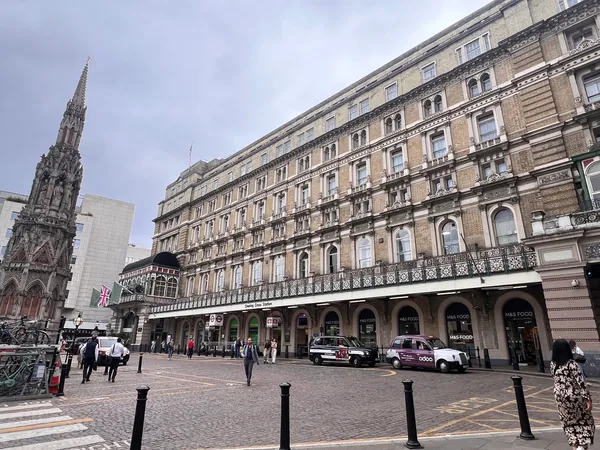
Anyone interested in medieval history, royal tributes, or Victorian-era craftsmanship will appreciate this monument. It's also a quick, decorative pause for those navigating London's transport interchanges.
Know before you go
The monument is open 24 hours a day, making it accessible at any time.
Nearby stays
Reviews
4.6
Exceptional
5 ReviewsReviewers generally praise the Eleanor Cross for its intricate design and historical significance, despite it being a 19th-century replica. Many note its location amidst a busy transport hub, making it a quick stop rather than a destination.
Fun facts
Only three of the original twelve medieval Eleanor Crosses remain more or less intact today.
Edward I's use of these crosses also served as propaganda to rehabilitate Eleanor's public image, which had been tarnished by her land acquisitions and association with Jewish loans.
The crosses were likely called "crosses" due to their placement at crossroads, rather than having actual crosses atop them.