Natural History Museum
4.6
(32.1k)This landmark museum in London is dedicated to natural history, housing a vast collection of specimens across botany, entomology, mineralogy, palaeontology, and zoology. It's known for its impressive dinosaur skeletons, interactive exhibits, and stunning Romanesque Revival architecture.
Address
Cromwell Rd, South Kensington, London SW7 5BD, UK
Website
Opening Hours
10:00 AM – 5:50 PM (Sun)
Phone
+44 20 7942 5000
Worth it?
Worth it if you want to spend hours exploring diverse collections and enjoy a family-friendly atmosphere
Skip if you're looking for a quick visit, as there's too much to see
Location
Cromwell Rd, South Kensington, London SW7 5BD, UK
Nearby places
See more
Highlights
The main hall features a real blue whale skeleton, named Hope, hanging from the ceiling, which replaced a large Diplodocus cast in 2017.
Many of the bones on display in the dinosaur exhibition are actual dinosaur bones, not models.
The building itself is a major attraction, with grand architecture and detailed interiors that reviewers consistently praise.
Nearby eats
See more eats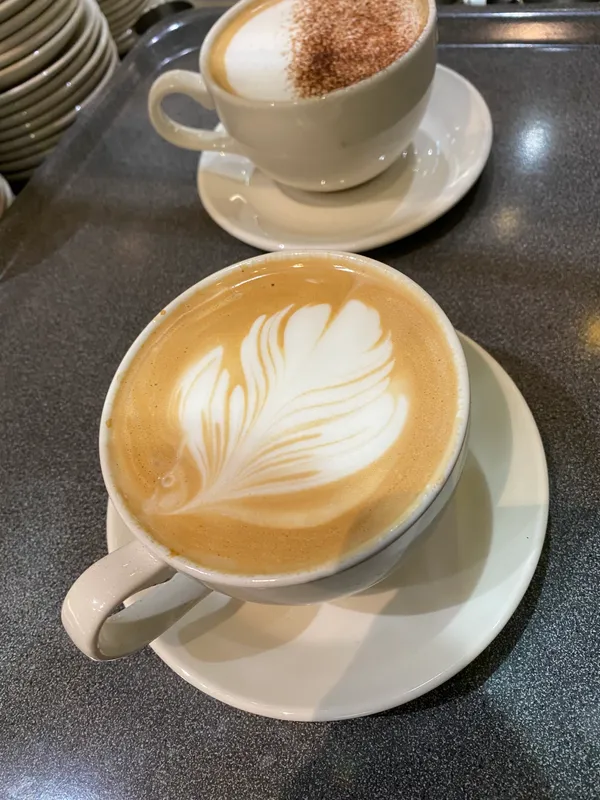

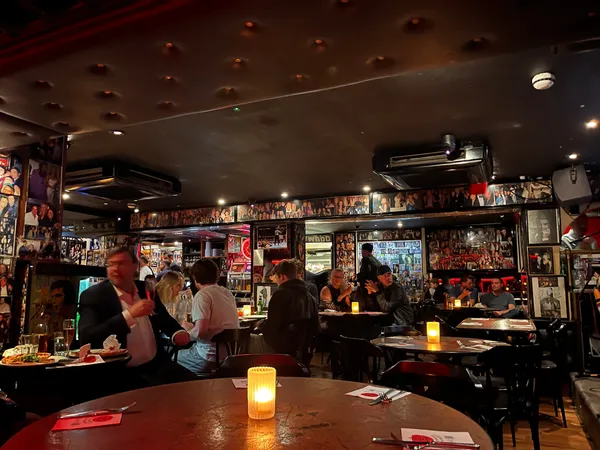
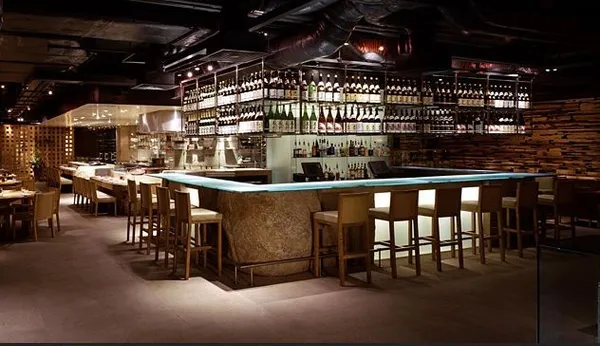
Who it's for
Perfect for families with kids, science enthusiasts, and anyone who appreciates grand architecture and interactive learning. It's a place where both children and adults can find something fascinating.
Know before you go
Booking a free time slot ticket online beforehand is recommended to avoid queues, especially during busy periods.
Nearby stays
Reviews
4.6
Exceptional
5 ReviewsVisitors consistently praise the Natural History Museum for its wide variety of exhibits, including dinosaur skeletons, fossils, and minerals, all housed within a stunning architectural building. Many highlight the free entry and the interactive, family-friendly atmosphere. Reviewers suggest booking a free time slot online to avoid queues.
Fun facts
The museum was officially known as British Museum (Natural History) until 1992, despite being legally separate from the British Museum since 1963.
The landmark building was designed by Alfred Waterhouse in an idiosyncratic Romanesque style and opened in 1881.
The foundation of the museum's collection came from Sir Hans Sloane, whose significant collections were purchased by the British Government in the 18th century.