Osaka Tenmangu Shrine
4.3
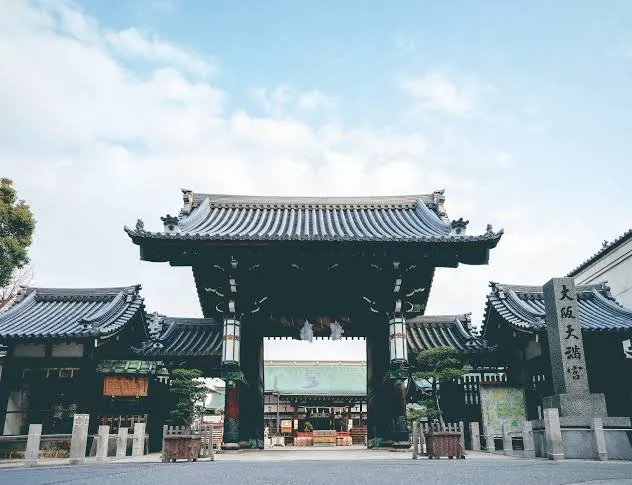
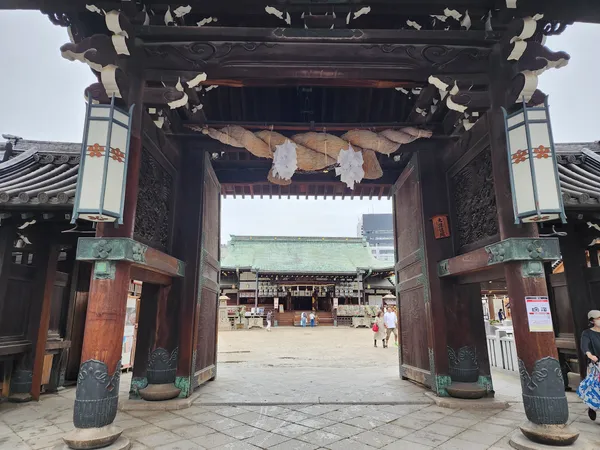
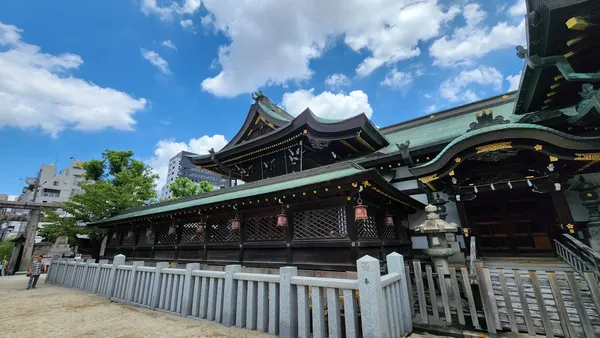
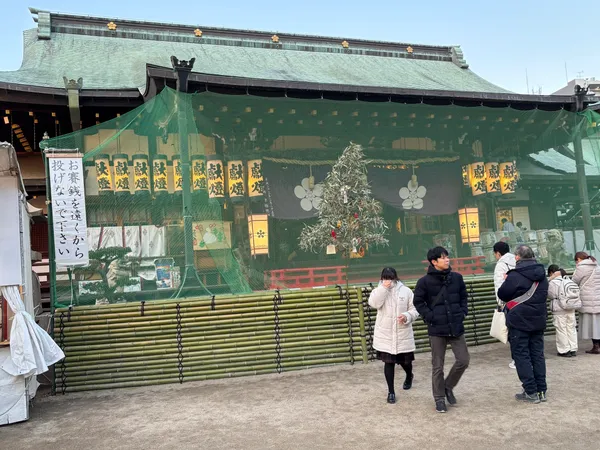
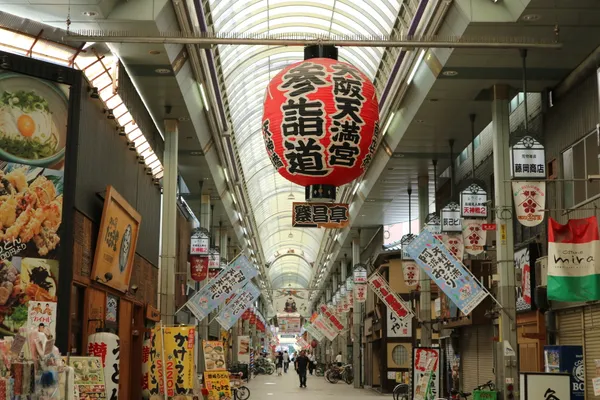
(10.2k)Osaka Tenmangu Shrine is a 10th-century Shinto shrine dedicated to Sugawara no Michizane, the deity of learning and art. It offers a peaceful escape from the city's hustle, with visitors often noting the serene atmosphere as soon as they pass through its stone torii gate. The shrine is also the site of the annual Tenjin Matsuri, one of Japan's largest festivals, held in July.
Address
2-chōme-1-8 Tenjinbashi, Kita Ward, Osaka, 530-0041, Japan
Website
Opening Hours
9:00 AM – 5:00 PM (Thu)
Phone
+81 6-6353-0025
Worth it?
Worth it if you're looking for a serene, spiritual experience and a break from the busy city
Skip if you're visiting during renovations and prefer a completely unobstructed view
Location
2-chōme-1-8 Tenjinbashi, Kita Ward, Osaka, 530-0041, Japan
Nearby places
See more
Highlights
The array of torii gates provides excellent photo opportunities and a quiet place to escape city life.
You can witness traditional Japanese Shinto ceremonies, such as Omiyamairi, where newborn babies are brought to the shrine for the first time.
The shrine offers a variety of unique amulets for visitors.
Nearby eats
See more eats


Who it's for
This shrine is for anyone seeking a moment of calm and reflection, especially those interested in experiencing traditional Japanese spiritual and local life. It's also a great spot for families, as it offers a quiet respite from the city.
Know before you go
Consider bringing a cap or sunglasses during summer months, as it can get very hot and bright.
It's advisable to cover your shoulders if possible, though knees did not seem to be an issue for visitors.
Nearby stays
Reviews
4.3
Very good
5 ReviewsVisitors generally find Osaka Tenmangu Shrine to be a peaceful and calm sanctuary from the bustling city, appreciating the well-maintained grounds and the unique amulets available. The convenient access from train stations is a plus, though some recent visitors mentioned ongoing renovations.
Fun facts
The shrine was founded in AD 949 by Emperor Murakami.
The present entrance hall and gate were built in 1845, as the shrine has been periodically destroyed by fire.