Shinsaibashi
4.3
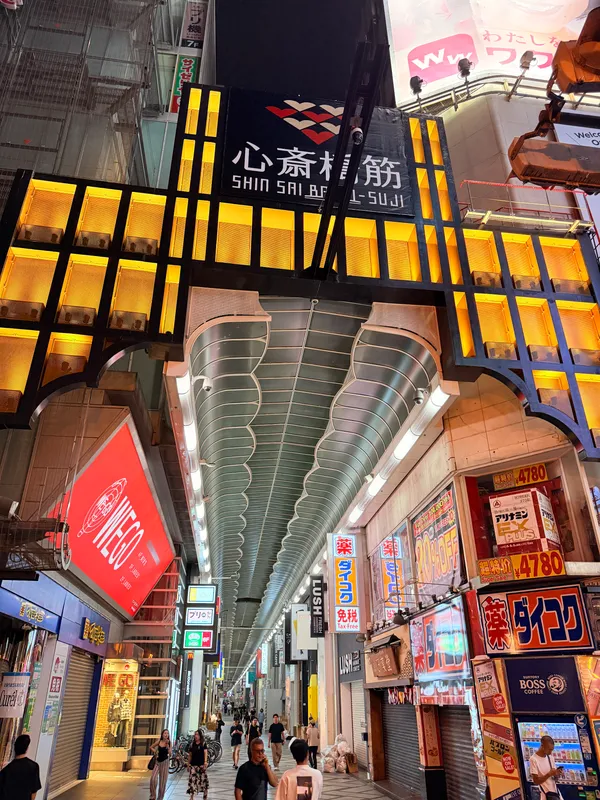
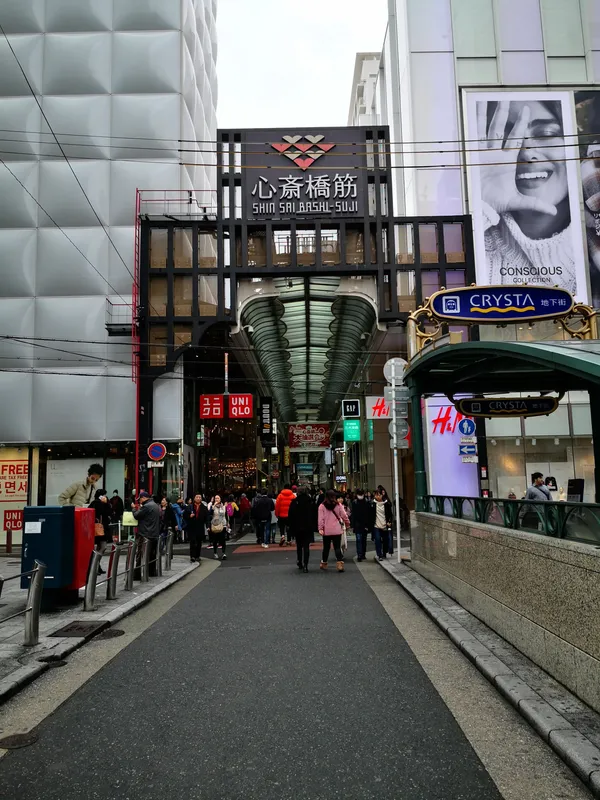
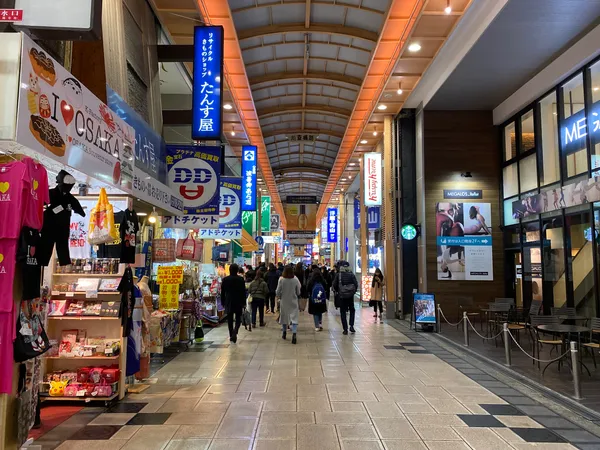
(1.8k)Shinsaibashi is Osaka's main shopping district, a lively and often crowded area that operates from morning until late at night. It offers a wide mix of international brands and local Japanese shops, making it a key stop for both locals and tourists. The district is centered around Shinsaibashi-suji, a covered shopping street.
Address
3 Chome-5 Minamisenba, Chuo Ward, Osaka, 542-0081, Japan
Opening Hours
OPEN 24 HOURS (Thu)
Worth it?
Worth it if you enjoy a vibrant, slightly chaotic atmosphere with plenty of people-watching
Skip if you prefer a quiet, relaxed shopping trip
Location
3 Chome-5 Minamisenba, Chuo Ward, Osaka, 542-0081, Japan
Nearby places
See more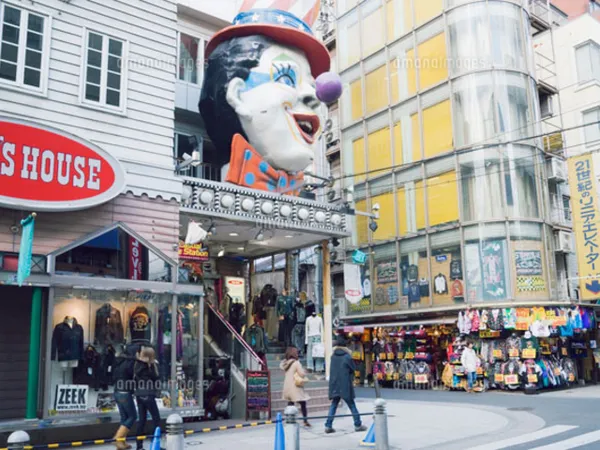

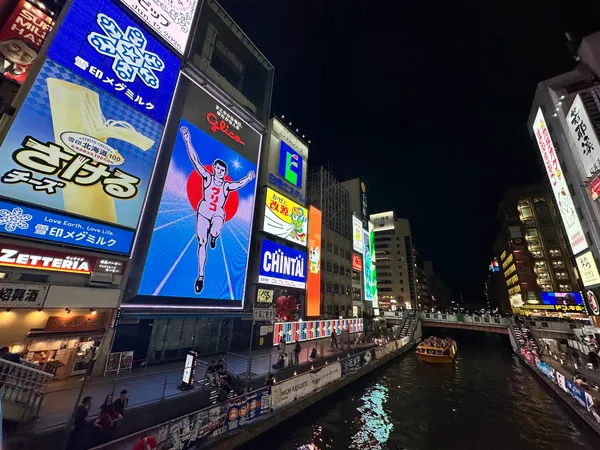
Highlights
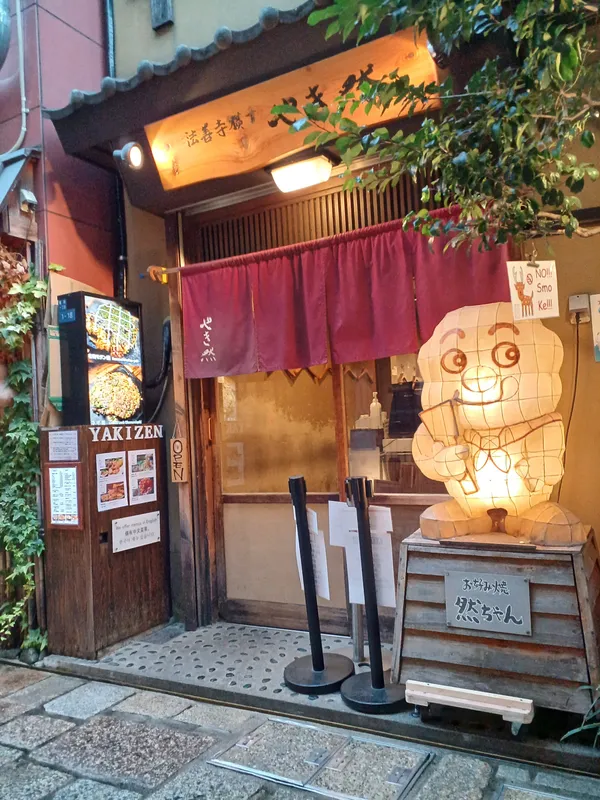
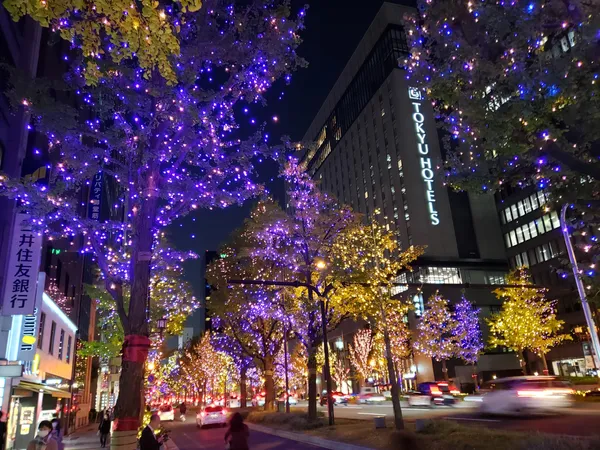
The area transitions from quiet, lantern-lit side streets with wooden facades to a main thoroughfare where major brands like Swarovski scream in 40-foot LED glory.
Shinsaibashi-suji is a covered shopping street, making it a comfortable place to explore regardless of the weather.
Nearby eats
See more eats

Who it's for
This area is for anyone looking for an energetic shopping and dining experience, appealing to diverse tastes with its blend of global and local offerings. It's also good for families with children.
Know before you go
The area can get very crowded, particularly on weekends, so be prepared for slow movement and lots of foot traffic.
Nearby stays
Reviews
4.3
Very good
5 ReviewsTravelers find Shinsaibashi to be one of Osaka's most energetic experiences, offering a diverse range of shops and restaurants from morning until late night. The main caveat is the significant crowds, especially on weekends, which can make moving around challenging.
Fun facts
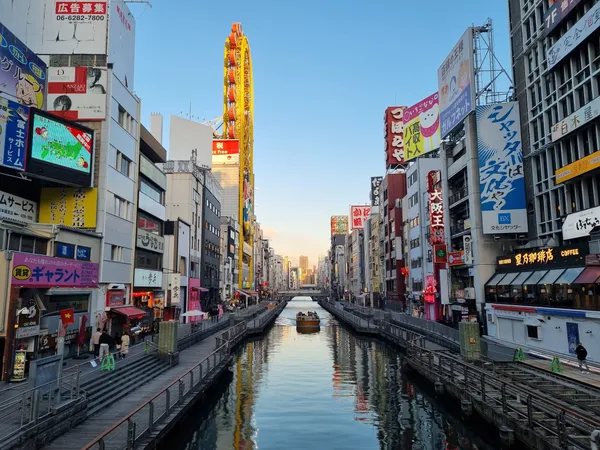
Shinsaibashi gets its name from a landmark bridge, Shinsai Bridge, which was originally a wooden bridge built in 1622 by Shinsai Okada.
The original wooden bridge was replaced multiple times, including with an arched truss iron bridge imported from Germany in 1873 and Osaka's first stone bridge in 1909.
The stone bridge was affectionately nicknamed "Eyeglasses bridge" by locals because its two arches reflected in the water looked like a pair of glasses.