Sumiyoshi Taisha
4.5
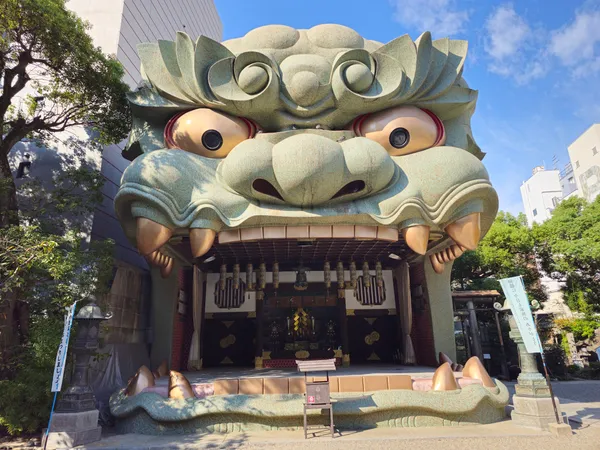
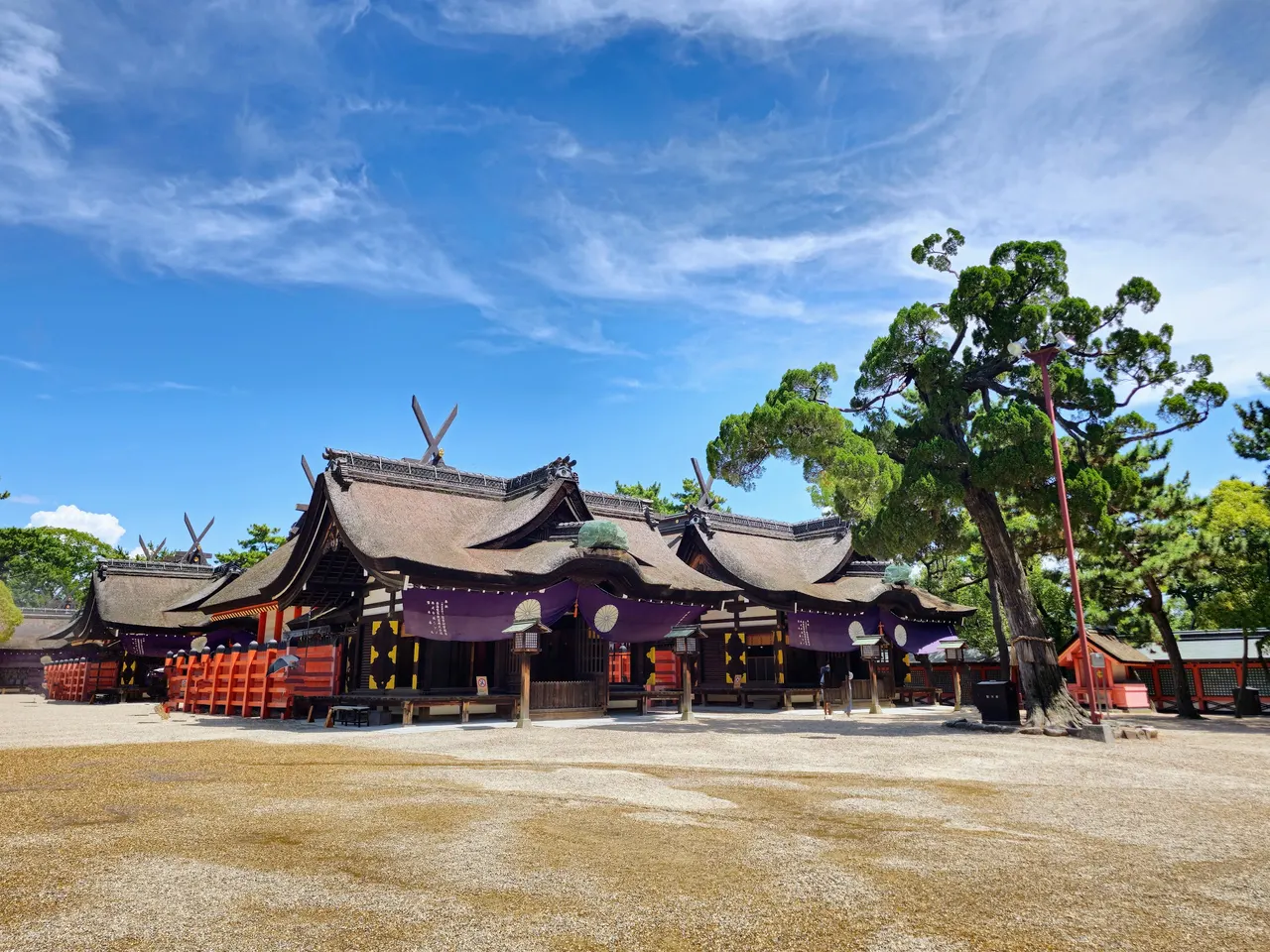
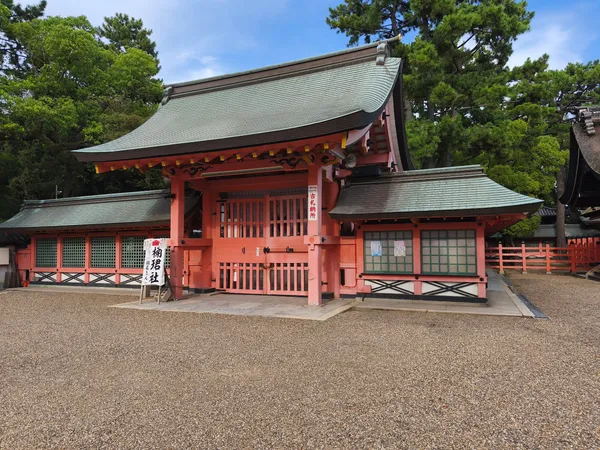
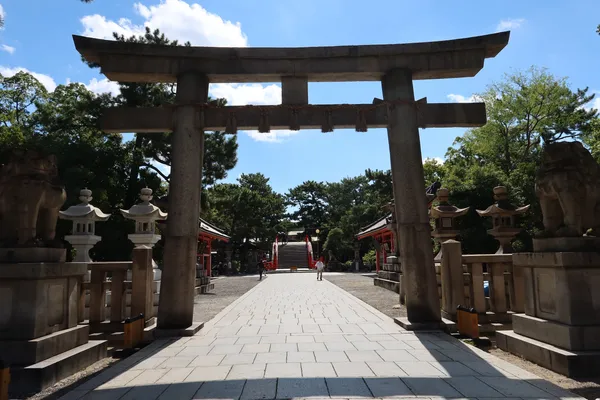
(12.7k)Sumiyoshi Taisha is a major Shinto shrine in Osaka, known for its peaceful atmosphere and distinctive architecture. It's the main shrine for all Sumiyoshi shrines and has been rebuilt repeatedly since the 3rd century. While you can't enter the shrine halls, you can view them up close from the outside.
Address
2-chōme-9-89 Sumiyoshi, Sumiyoshi Ward, Osaka, 558-0045, Japan
Opening Hours
6:00 AM – 5:00 PM (Thu)
Phone
+81 6-6672-0753
Worth it?
Worth it if you want a serene escape with a strong sense of history and beautiful photo opportunities
Skip if you prefer interactive exhibits or indoor attractions
Location
2-chōme-9-89 Sumiyoshi, Sumiyoshi Ward, Osaka, 558-0045, Japan
Highlights
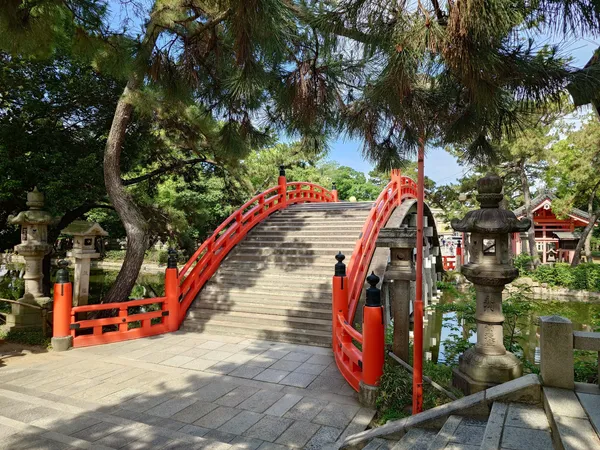
The bright vermillion bridge is a highlight, elegant and steep, offering a symbolic transition into a calmer environment.
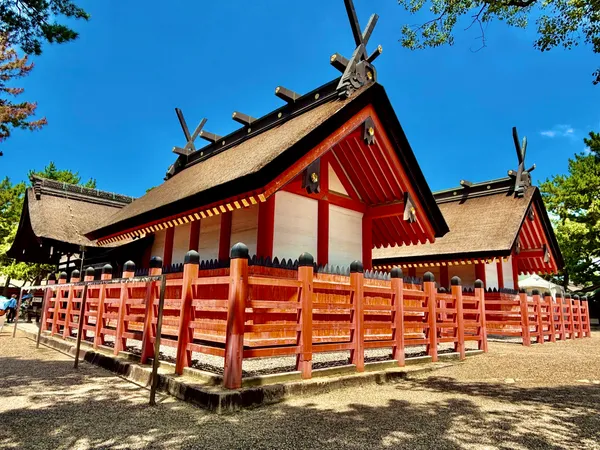
The shrine's architecture is unique, following the Sumiyoshi-zukuri style, which is distinct from most other shrines in Japan.
You might even witness a traditional Japanese wedding or christening ceremony during your visit.
Who it's for
This shrine is ideal for anyone seeking a calm, cultural experience away from the city bustle, especially those interested in unique Japanese architecture and history. It's also great for photography enthusiasts.
Know before you go
The shrine is easily accessible by tram from Tennoji station, which many reviewers recommend as a scenic way to arrive.
Nearby stays
Reviews
4.5
Exceptional
5 ReviewsVisitors find Sumiyoshi Taisha to be a beautiful and calm place with a strong sense of history, highlighting the famous red bridge, the unique architecture, and the opportunity to collect stones for good luck. The peaceful atmosphere and friendly staff are frequently mentioned.
Fun facts
The shrine is the oldest example of the Sumiyoshi-zukuri architectural style, which has been designated a national treasure.
Sumiyoshi Taisha was founded in the 11th year of Empress Jingū's reign, around 211 AD.
Until the Edo period, the shrine grounds faced the sea and were known for their 'white sand and green pines' landscape, a design now known as the Sumiyoshi design.