Hie Shrine
4.4
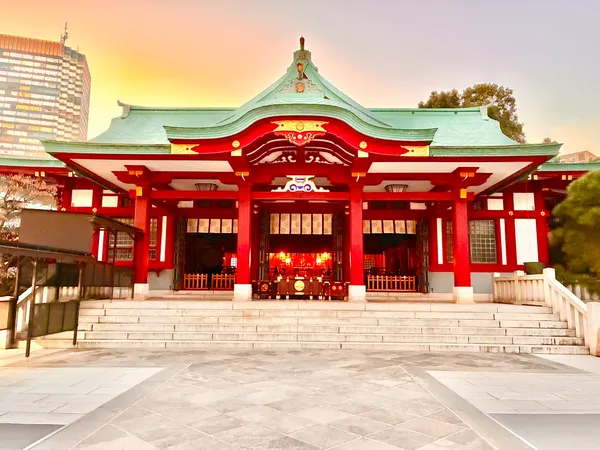
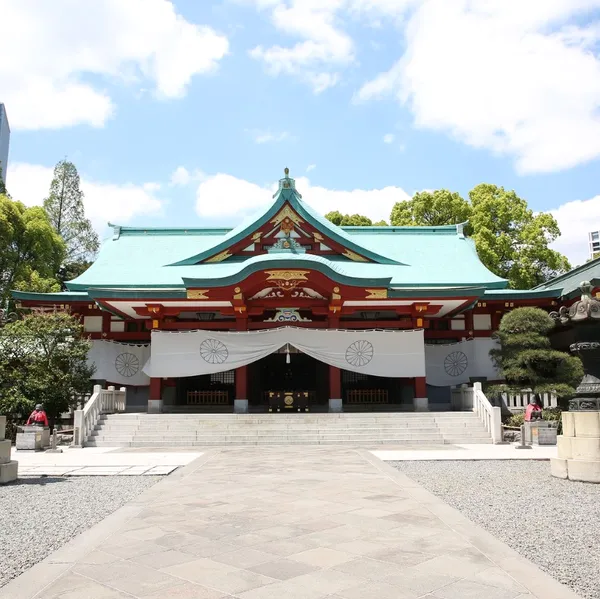
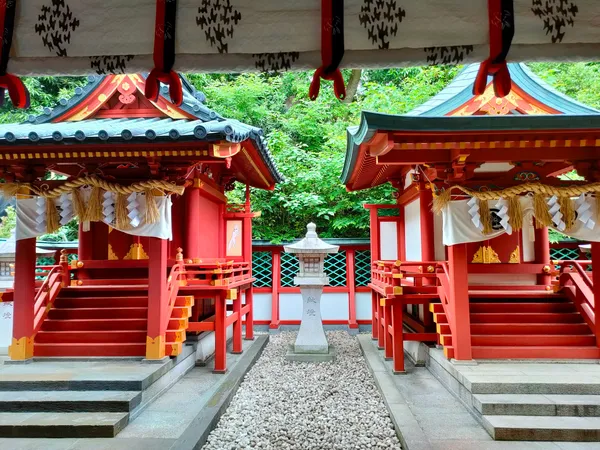
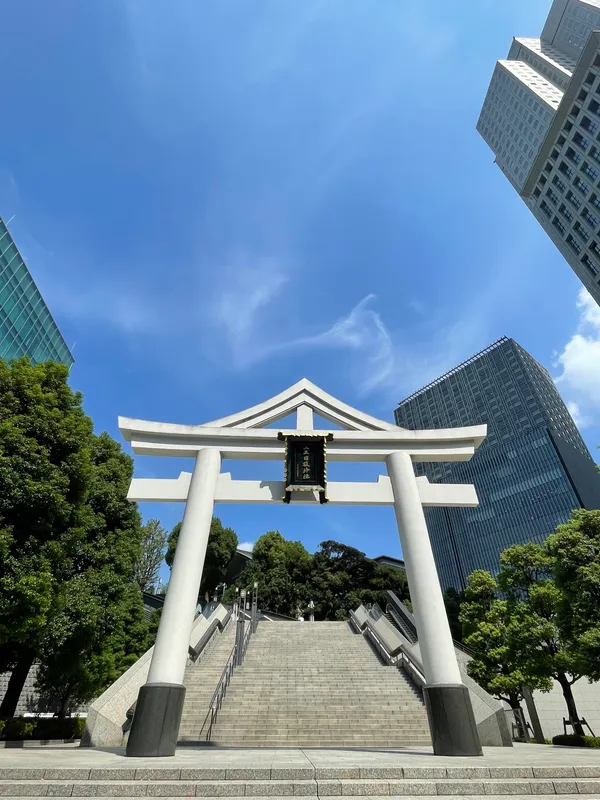
(12.6k)Hie Shrine is a significant Shinto shrine in Tokyo, offering a peaceful escape from the city's hustle. It's known for its traditional architecture and lush surroundings, providing a serene atmosphere for reflection and prayer. The shrine hosts several auspicious annual festivals and events, including the Sannō Matsuri in June, one of Tokyo's three great festivals.
Address
2-chōme-10-5 Nagatachō, Chiyoda City, Tokyo 100-0014, Japan
Opening Hours
6:00 AM – 5:00 PM (Thu)
Phone
+81 3-3581-2471
Worth it?
Worth it if you want a tranquil moment and beautiful photo opportunities without the crowds of more famous shrines
Skip if you're looking for a large, sprawling complex
Location
2-chōme-10-5 Nagatachō, Chiyoda City, Tokyo 100-0014, Japan
Nearby places
See more
Highlights
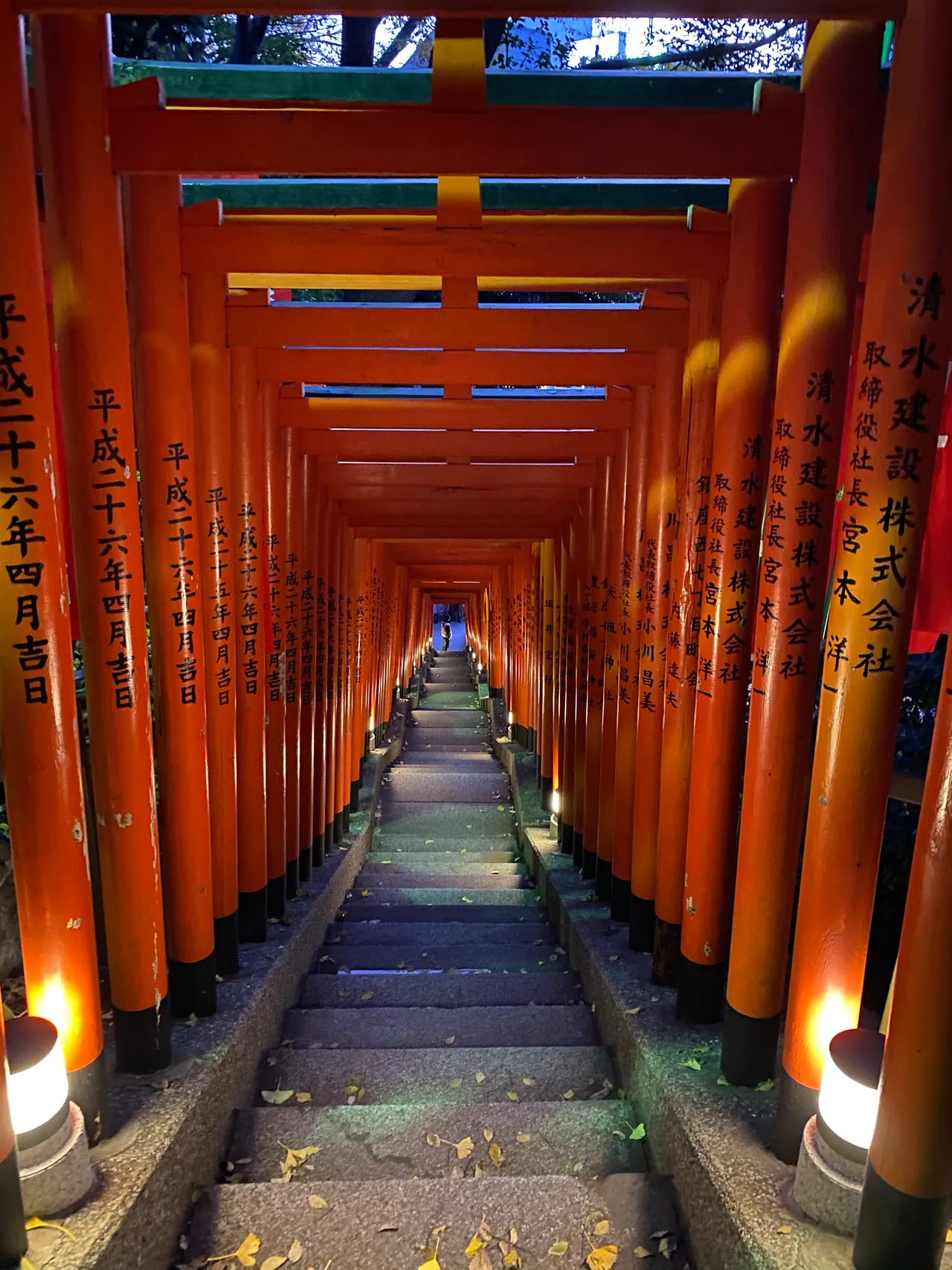
One of the entrances features a striking staircase lined with dozens of red torii gates, reminiscent of Kyoto's Fushimi Inari.
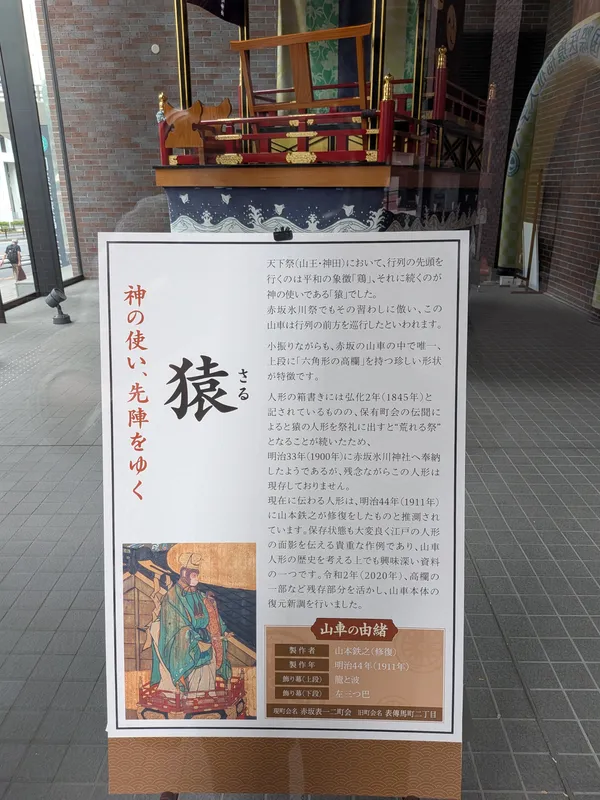
Instead of traditional lion-dogs, the shrine is guarded by monkey statues, considered messengers of the local deity.
An escalator provides convenient access to the main courtyard, making the ascent easier.
Nearby eats
See more eats



Who it's for
This shrine is ideal for anyone seeking a calm, traditional experience in the middle of a busy city, especially those interested in Japanese culture and photography. It's also a popular spot for Japanese families during the Shichi-Go-San festival.
Know before you go
The Sannō Matsuri festival in June features music, dancing, food stalls, and sake.
Nearby stays
Reviews
4.4
Very good
5 ReviewsVisitors appreciate Hie Shrine for its peaceful ambiance, beautiful traditional architecture, and vibrant red torii gates. Many highlight the convenient escalators and well-maintained grounds, noting it's a great spot for reflection and photos, often with fewer crowds than other shrines.
Fun facts
The shrine was established in 1478 by Ōta Dōkan, though its exact founding date is uncertain.
Tokugawa Ieyasu relocated the shrine to Edo Castle grounds, and his son later moved it out so the public could worship there.
The current structure dates from 1958, as the previous shaden was destroyed during World War II.