Koishikawa Korakuen
4.4
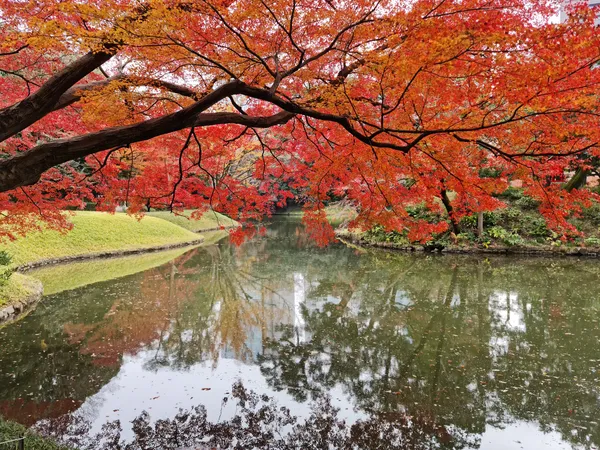
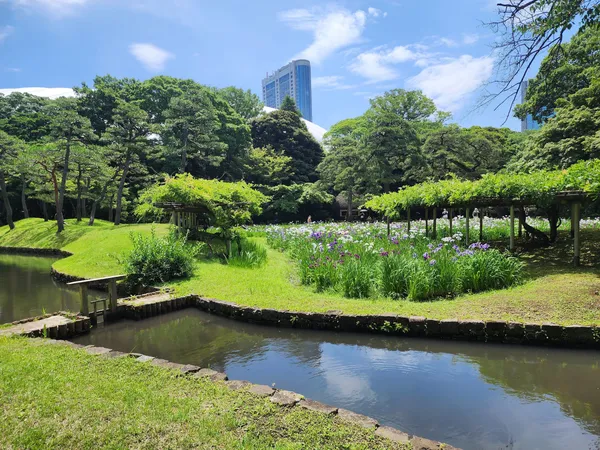
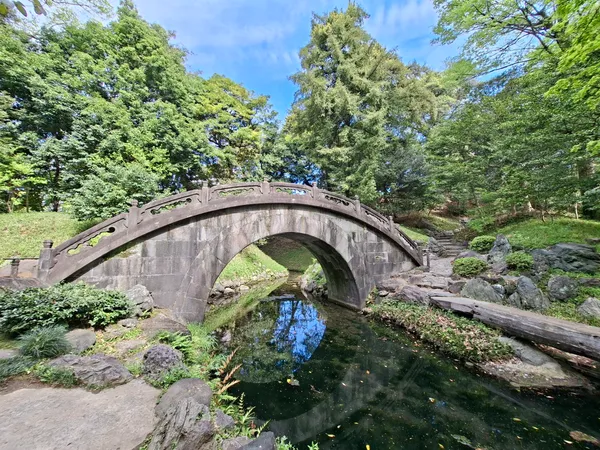
(6.4k)Koishikawa Korakuen is a tranquil, scenic landscape garden dating back to the 17th century, offering walking paths, a pond, and bridges. It's one of Tokyo's oldest and best-preserved daimyō gardens, providing a peaceful escape from the city's busy streets. The garden features a diverse collection of trees and flowering plants, ensuring beauty throughout the year.
Address
1-chōme-6-6 Kōraku, Bunkyo City, Tokyo 112-0004, Japan
Opening Hours
9:00 AM – 5:00 PM (Thu)
Phone
+81 3-3811-3015
Worth it?
Worth it if you want a serene, traditional Japanese garden experience
Skip if you're looking for a high-energy attraction or prefer modern parks
Location
1-chōme-6-6 Kōraku, Bunkyo City, Tokyo 112-0004, Japan
Nearby places
See more

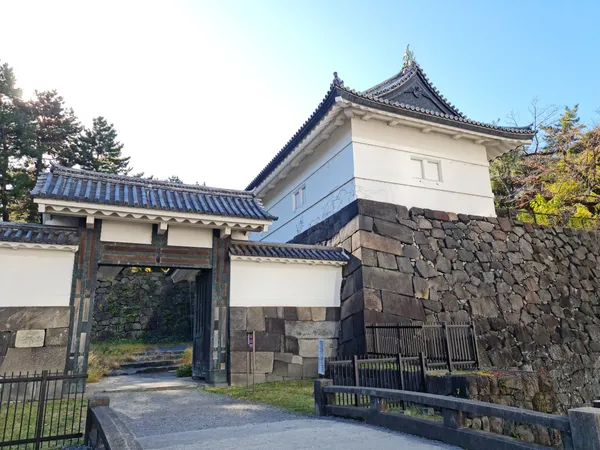
Highlights
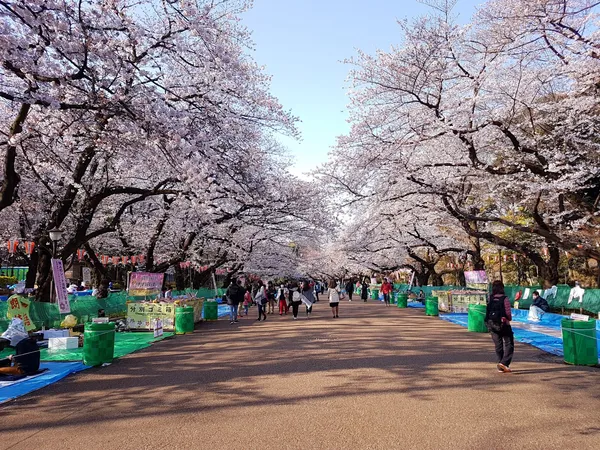
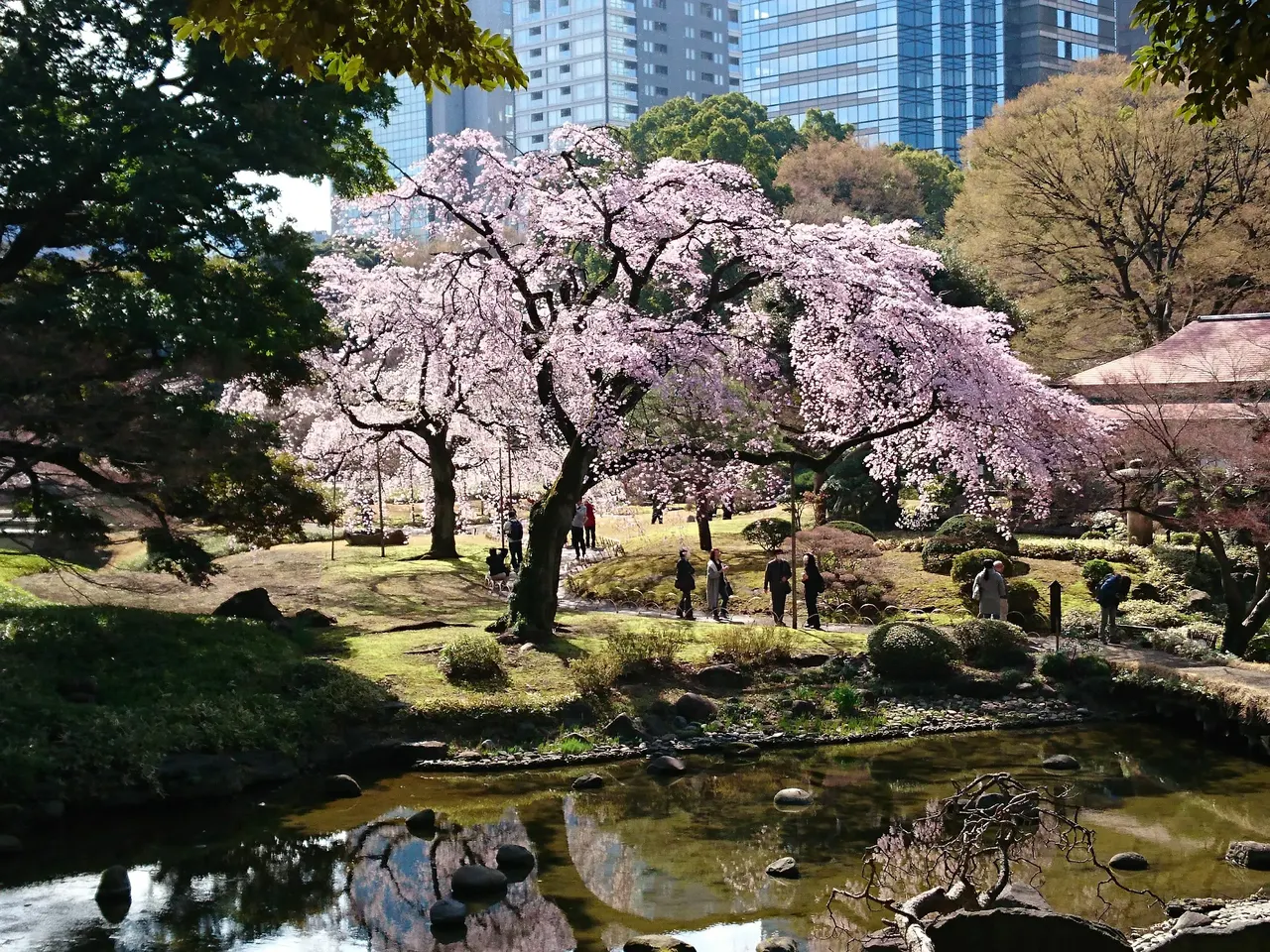
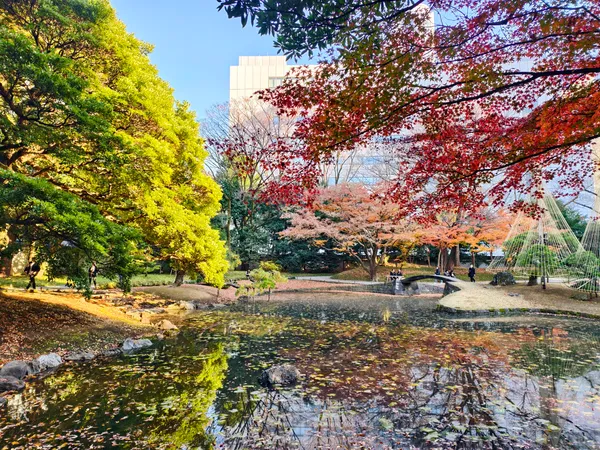
The garden offers spectacular plum blossoms in spring, cherry blossoms, and vibrant autumn foliage, making it a favorite in any season.
You can find traditional Japanese games on one of the terraces, available free of charge.
A traditional-style teahouse and a small gift shop are available within the garden.
Nearby eats
See more eats


Who it's for
This garden is ideal for anyone seeking a relaxing stroll, history enthusiasts, and families looking for a quiet outdoor experience. It's particularly appealing to those who appreciate traditional Japanese landscapes and seasonal foliage.
Know before you go
The garden is open from 9:00 AM to 5:00 PM, with the last entry at 4:30 PM, and is closed from December 29th to January 1st.
Consider visiting on a weekday for a less crowded experience.
Nearby stays
Reviews
4.4
Very good
5 ReviewsVisitors consistently highlight the garden's beauty, especially its seasonal plum and cherry blossoms and autumn colors. Many appreciate the peaceful atmosphere, well-kept grounds, and the affordable entrance fee, suggesting it's a great place to relax and escape the city.
Fun facts
The garden was constructed in 1629 by Tokugawa Yorifusa and later renovated by his son, Tokugawa Mitsukuni.
It was named "Korakuen" after descriptions of Yueyang Tower in Chinese literature and poetry.
The garden was designated a National Historic Site in 1923 and later promoted to a Special National Historic Site and Special Place of Scenic Beauty in 1952.