Meiji Jingu
4.6
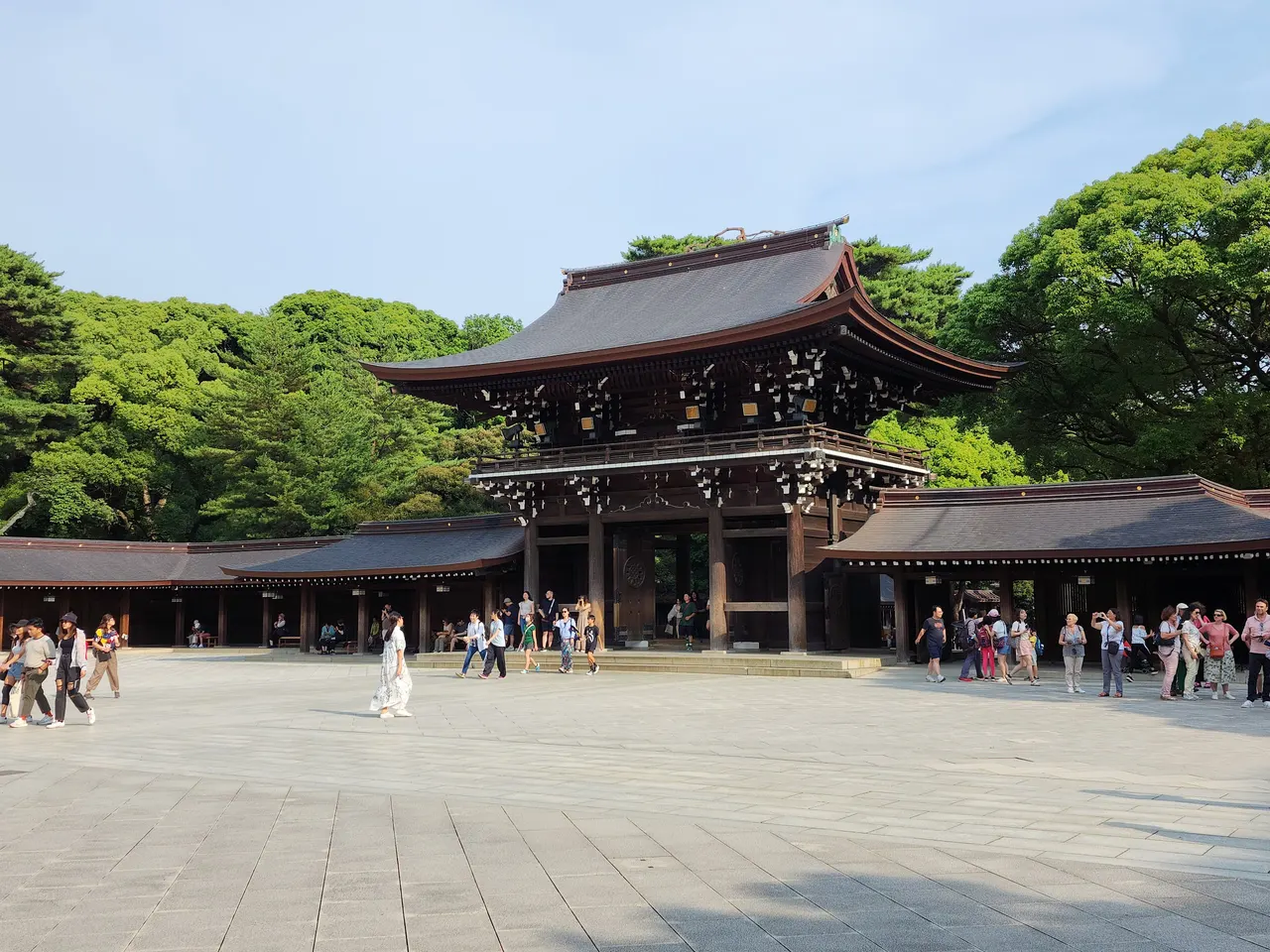
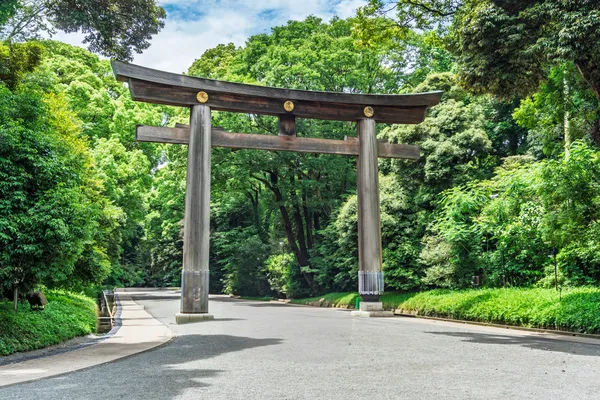
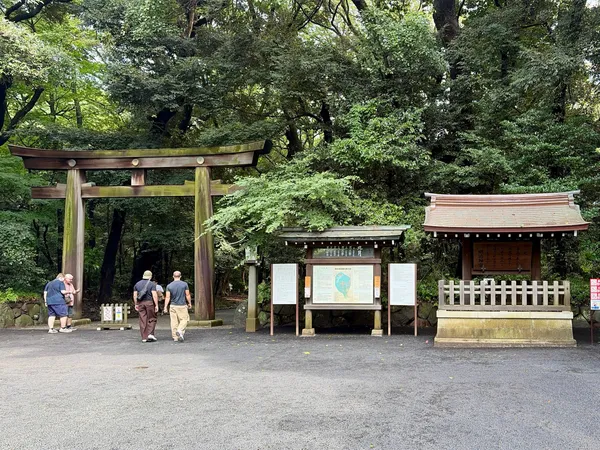
(46.9k)Meiji Jingu is a venerable Shinto shrine in Shibuya, Tokyo, dedicated to the deified spirits of Emperor Meiji and Empress Shōken. It's surrounded by a vast evergreen forest, offering a peaceful escape from the city's hustle. The shrine complex includes the main shrine buildings, a treasure museum, and an iris garden.
Address
1-1 Yoyogikamizonochō, Shibuya, Tokyo 151-8557, Japan
Phone
+81 3-3379-5511
Worth it?
Worth it if you want a serene, refreshing experience with a sense of history and tradition
Skip if you're looking for a quick, bustling attraction
Location
1-1 Yoyogikamizonochō, Shibuya, Tokyo 151-8557, Japan
Nearby places
See more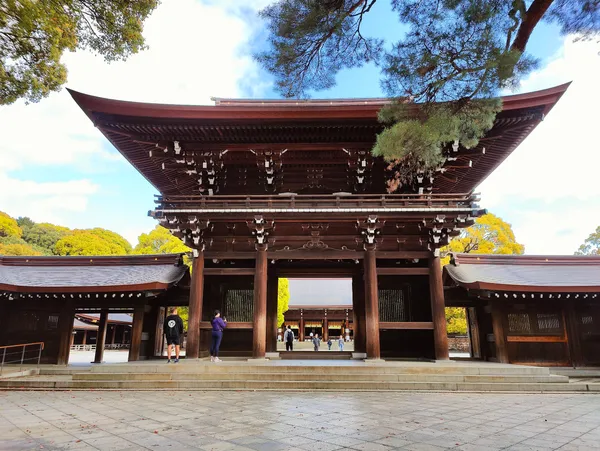
Highlights
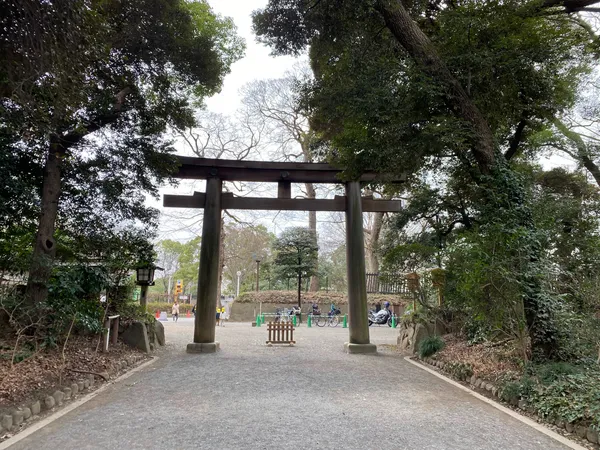
The walk through the towering ancient trees on the main grounds feels like a gentle time-warp, providing a peaceful atmosphere even with many visitors.
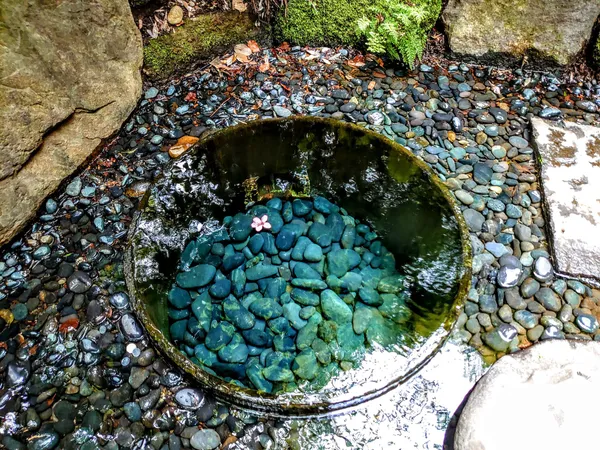
The Inner Garden, though ticketed, is worth the modest fee for its tranquil beauty, especially the seasonal iris garden.
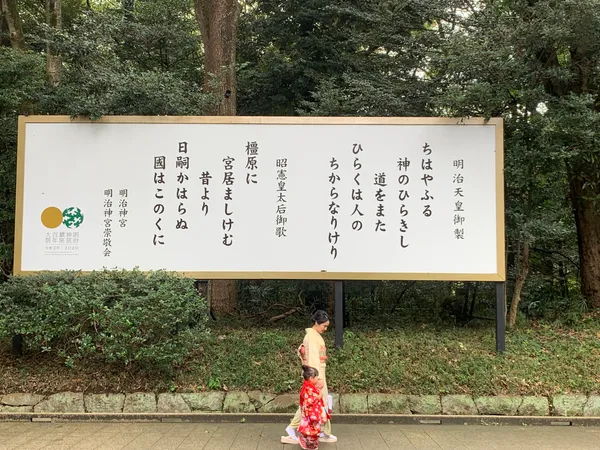
You might even catch a wedding procession or children in traditional dress, adding to the cultural experience.
Nearby eats
See more eats

Who it's for
This shrine is for anyone seeking a tranquil experience, history buffs, and those interested in Japanese culture and architecture. It's also suitable for families, as the expansive grounds offer a calm environment.
Know before you go
The shrine opens at sunrise and closes at sunset, with earlier visits offering the quietest atmosphere.
Entry to the main grounds is free, but the Inner Garden and Museum require tickets.
Modest and respectful clothing is appreciated, and visitors are asked to speak softly around the main hall.
Photography is allowed throughout most of the grounds, but not inside the main hall itself.
Nearby stays
Reviews
4.6
Exceptional
5 ReviewsVisitors consistently describe Meiji Jingu as a peaceful and serene escape from the city, highlighting its beautiful landscaping, towering trees, and sense of history. Many appreciate the calming and refreshing experience, noting its convenient location near Harajuku Station. While the main grounds are free, the Inner Garden and Museum require tickets, and modest, respectful clothing is appreciated.
Fun facts
The shrine is located in a forest covering 70 hectares, with 120,000 trees of 365 different species donated by people from all over Japan.
The original shrine building was destroyed during the Tokyo air raids of World War II, and the current iteration was completed in 1958 through public fundraising.
The shrine was formally dedicated on November 3, 1920, commemorating Emperor Meiji's role in the Meiji Restoration.