Site of Ichiba Castle
4.2
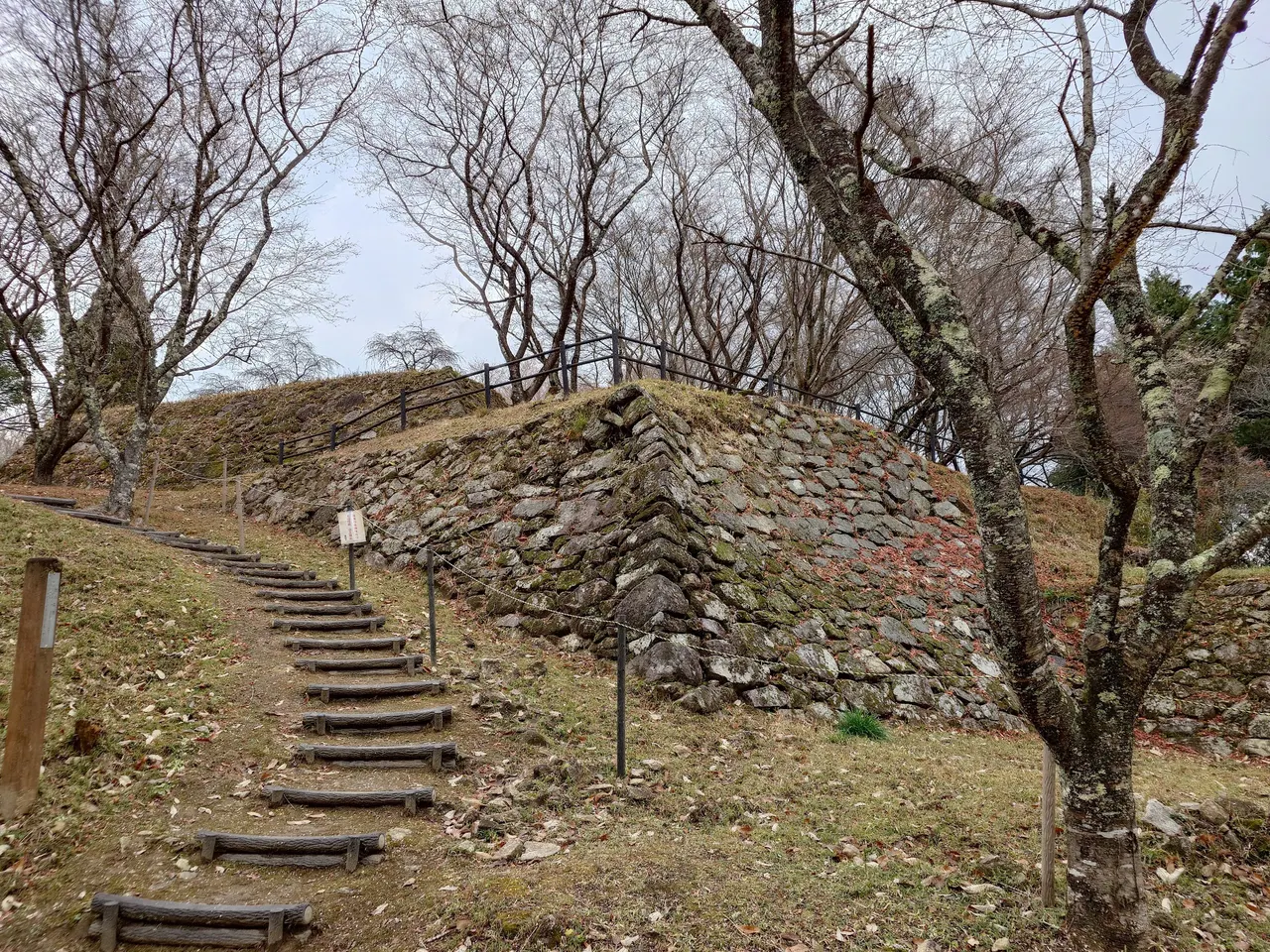
(140)The Site of Ichiba Castle is a mountain castle ruin, originally built around 1502 by the Suzuki clan. It served as their residence for about 90 years before being abandoned in 1592. Today, you can explore the well-preserved remains of its stone walls, earthworks, and moats.
Address
675 Ichibachō, Toyota, Aichi 470-0574, Japan
Opening Hours
OPEN 24 HOURS (Thu)
Phone
+81 565-32-6561
Worth it?
Worth it if you enjoy exploring well-preserved castle ruins and imagining historical layouts
Skip if you're looking for a fully reconstructed castle or expansive views
Location
675 Ichibachō, Toyota, Aichi 470-0574, Japan
Nearby places
See more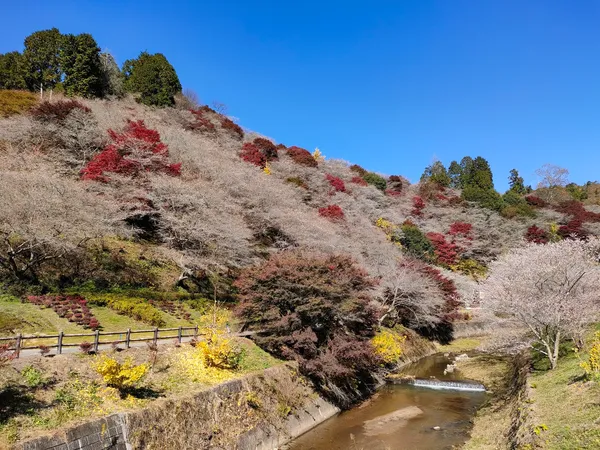
Highlights
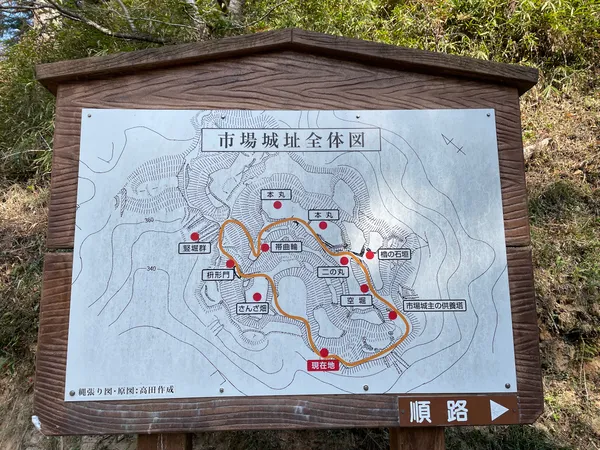
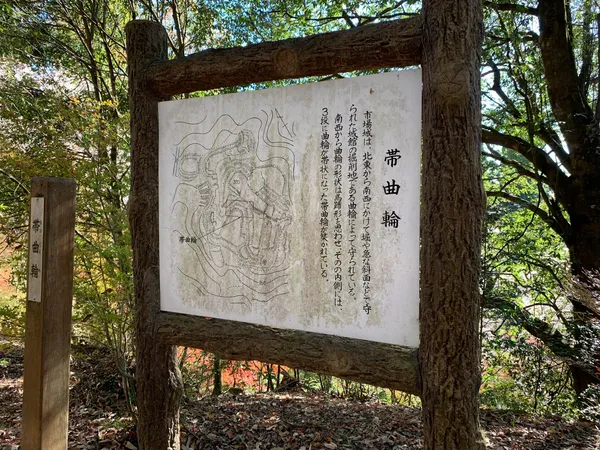
The site features impressive stone walls, including a total stone wall, and a unique group of ridged dry moats, which are a rare sight in Aichi Prefecture.
You can clearly see the remains of a masugata gate and the layout of the castle, making it easy to imagine what it looked like in its prime.
The walking paths are well-maintained, allowing for an easy and enjoyable circuit around the castle grounds.
Who it's for
History buffs and castle enthusiasts will appreciate the chance to visualize the castle's past, especially those interested in the transition from medieval to early modern castle architecture.
Explore more near Site of Ichiba Castle
Know before you go
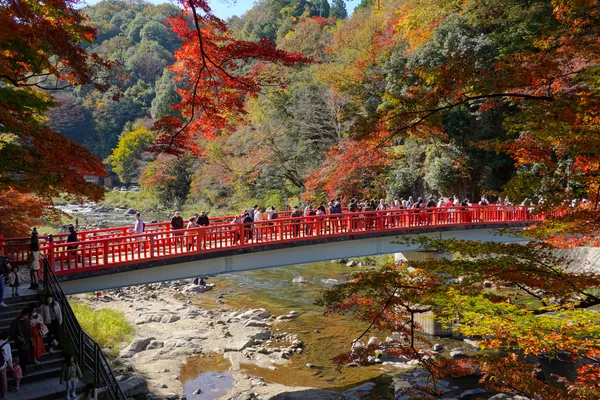
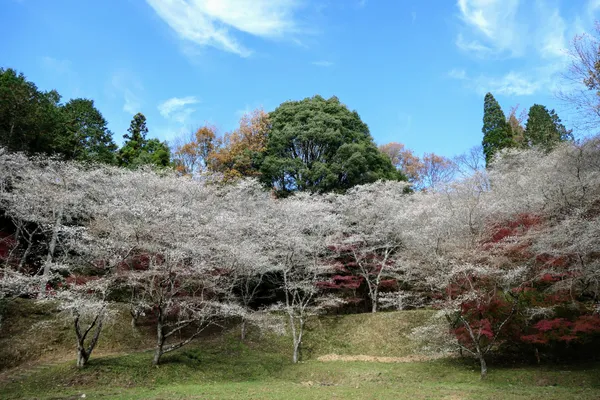
While the site is open 24 hours, the best time to visit for autumn colors is late November, and for cherry blossoms, it's slightly earlier in the spring.
The area around Toyota is best navigated by car due to sparse public transportation.
Reviews
4.2
Very good
5 ReviewsVisitors highly recommend the Site of Ichiba Castle for its well-preserved ruins, particularly the stone walls and unique ridged dry moats. Many appreciate how easy it is to visualize the castle's original structure, though some note that more detailed information boards would enhance the experience.
Fun facts
The castle was extensively renovated around 1583 by the last lord, Suzuki Shigeai, who added stone walls and ridged dry moats, transforming it into a hybrid of medieval and early modern castle styles.
The castle was abandoned in 1592 after the Suzuki clan did not follow Tokugawa Ieyasu's relocation to Kanto.