Kinkaku-ji
4.5
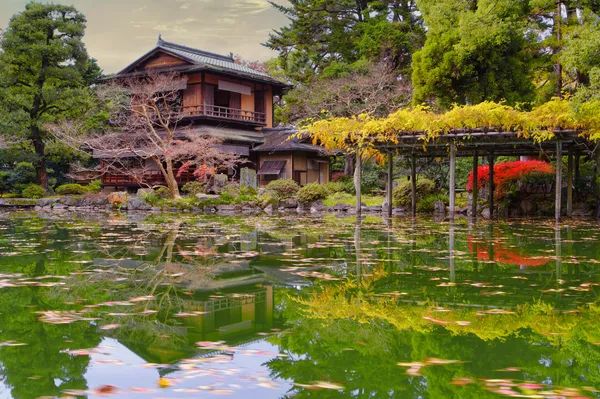
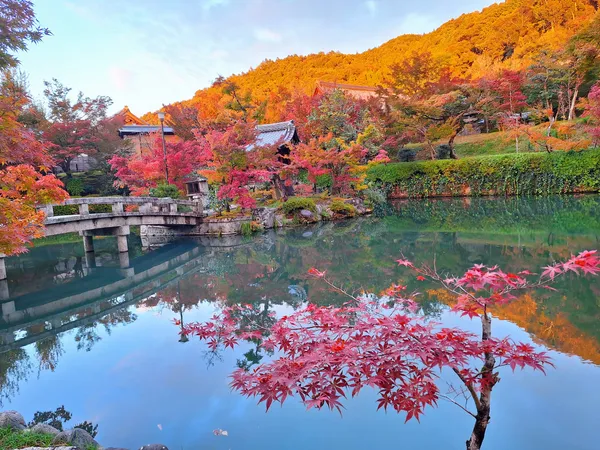
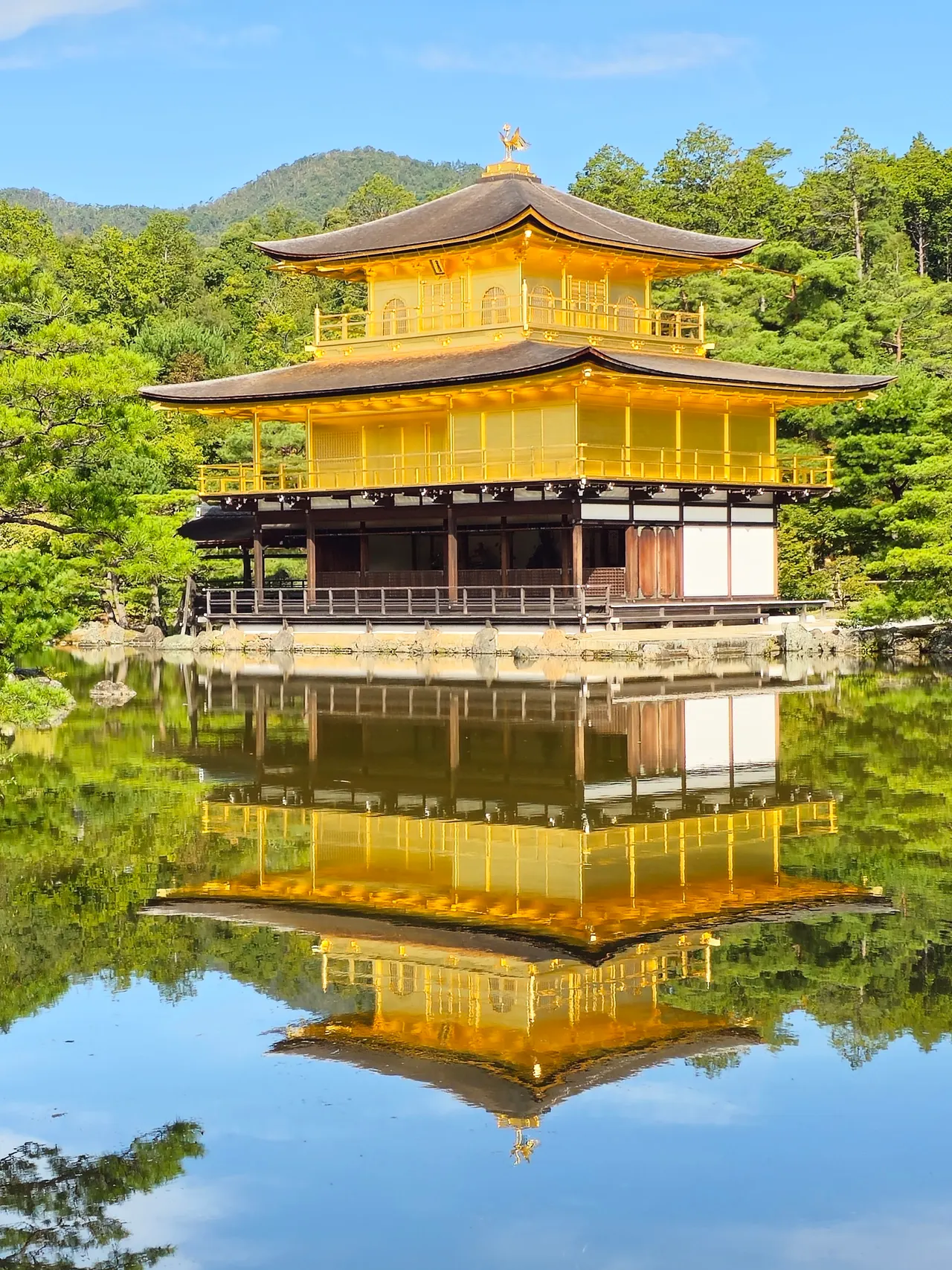
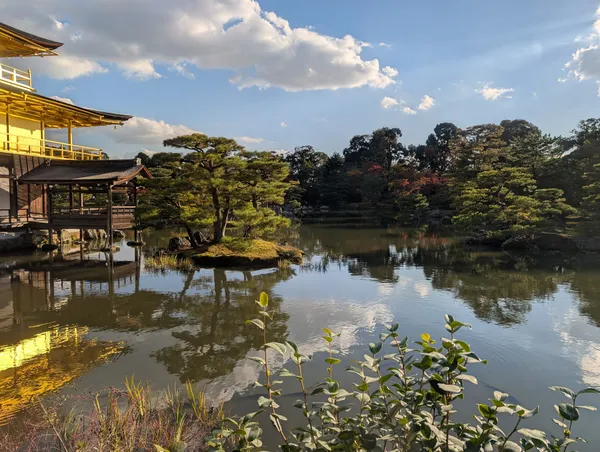
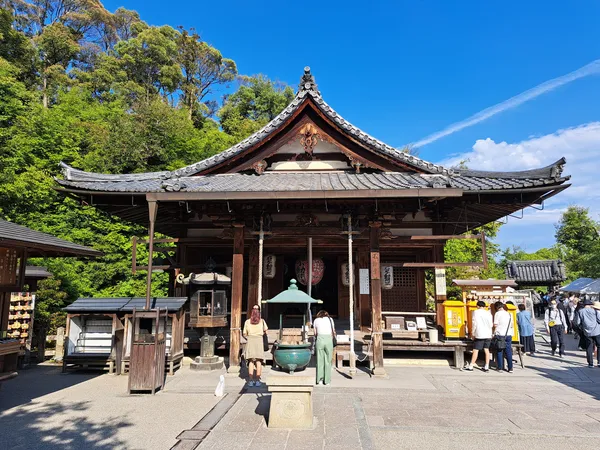
(64.3k)Kinkaku-ji, also known as the Golden Pavilion, is a Zen Buddhist temple in Kyoto with a stunning gold-leaf facade. Originally a shogun's retirement villa, it was converted into a temple after his death. The temple is set within meticulously maintained landscaped gardens and features a reflecting pond that mirrors the golden structure.
Address
1 Kinkakujichō, Kita Ward, Kyoto, 603-8361, Japan
Opening Hours
9:00 AM – 5:00 PM (Thu)
Phone
+81 75-461-0013
Worth it?
Worth it for the breathtaking views of the golden temple reflecting on the pond
Skip if you dislike crowds, especially during peak times
Location
1 Kinkakujichō, Kita Ward, Kyoto, 603-8361, Japan
Nearby places
See more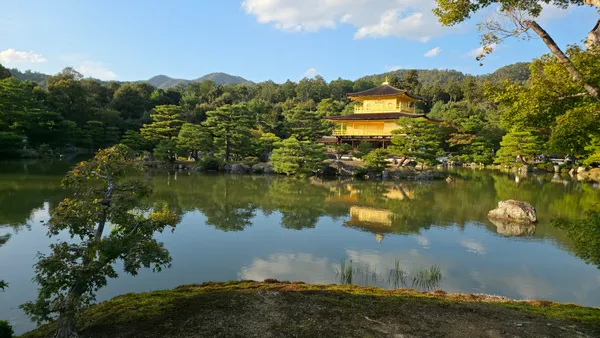
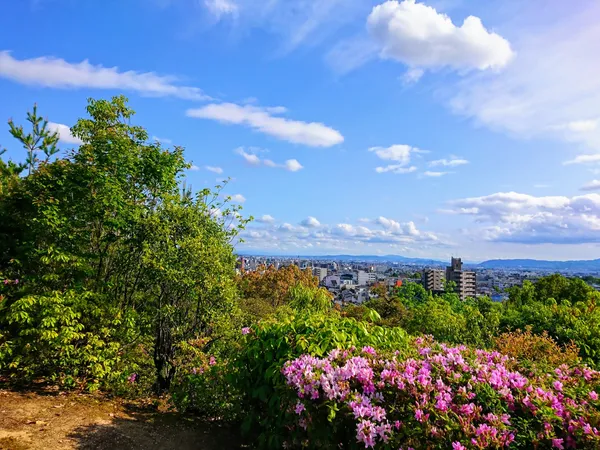
Highlights
The gold-covered temple reflecting on the calm pond creates an almost unreal, picture-perfect scene.
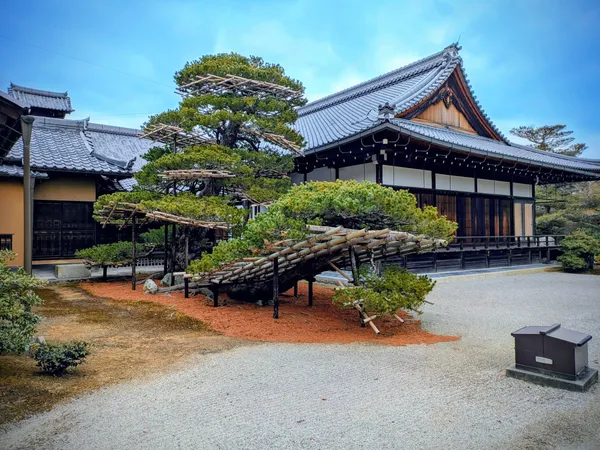
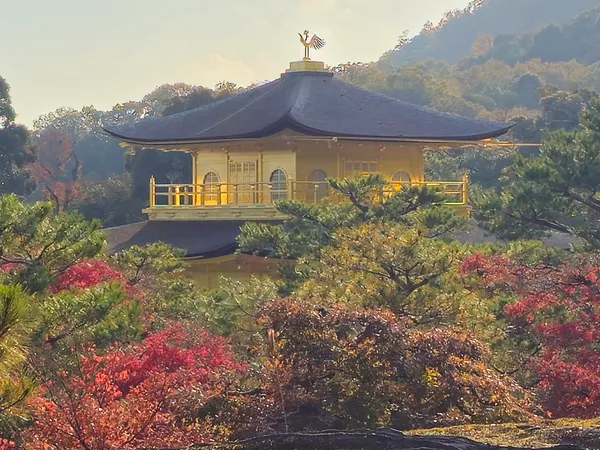
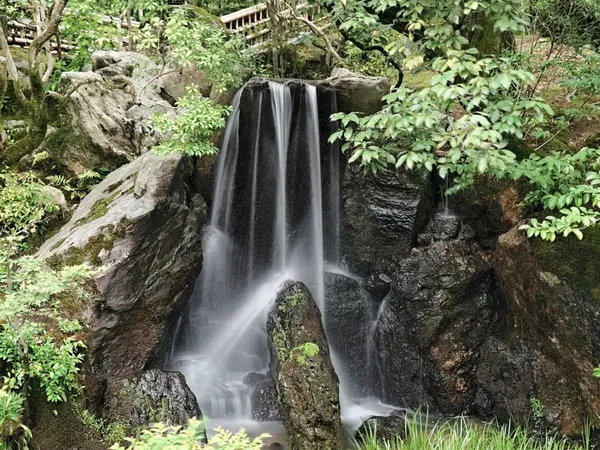
The walking route through the gardens offers multiple viewpoints, allowing you to admire the pavilion from various angles.
Even with many visitors, the atmosphere remains peaceful due to the beautifully maintained gardens and surrounding nature.
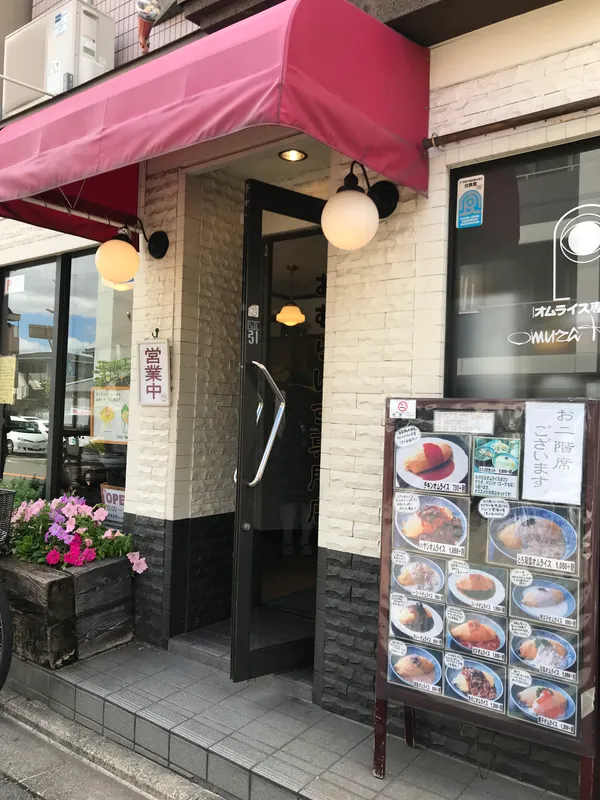
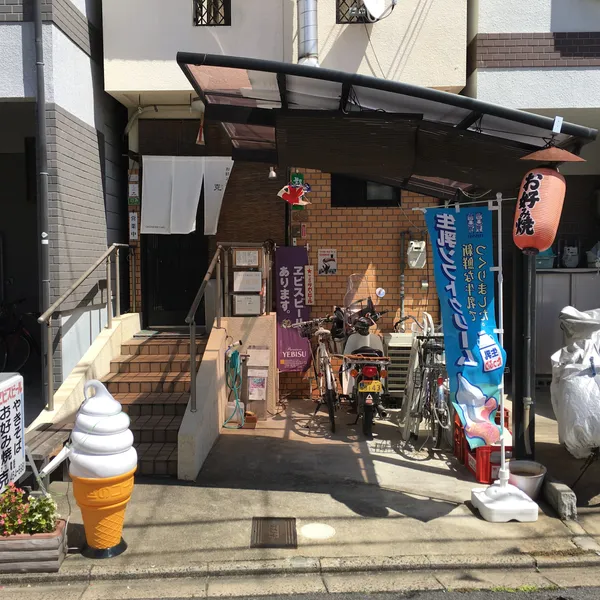
Nearby eats
See more eats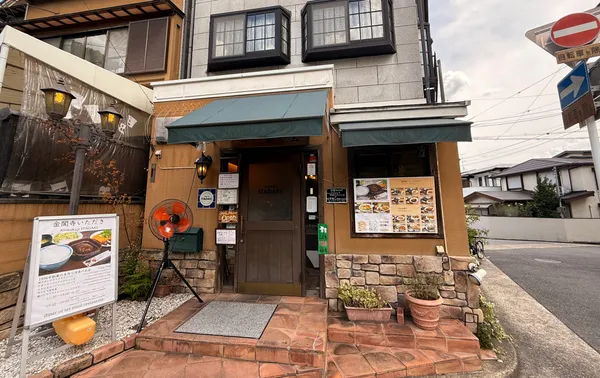
Who it's for
This is for anyone who appreciates historic architecture, tranquil gardens, and iconic photography opportunities. It's also suitable for families, as the walking route is easy to follow.
Know before you go
To avoid the largest crowds and get better photos, consider visiting early in the morning before tour groups arrive.
Nearby stays
Reviews
4.5
Exceptional
5 ReviewsReviewers consistently praise the beautiful shrine and the stunning reflection of the Golden Pavilion in the pond, highlighting the peaceful atmosphere and well-kept gardens. Many also appreciate the affordable entry and easy bus access, though some note it can get crowded.
Fun facts
The current pavilion was rebuilt in 1955 after being destroyed in an arson attack.
The top two floors of the Golden Pavilion are coated in 0.5 μm gold leaf, which was replaced in 1986-1987 with a thicker coating.
The pavilion incorporates three distinct architectural styles: shinden-zukuri on the first floor, buke-zukuri on the second, and Zen style on the third.