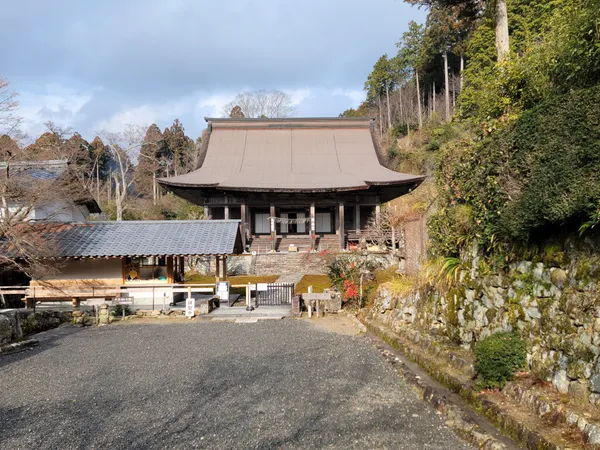
Sanzen-in Temple
4.5
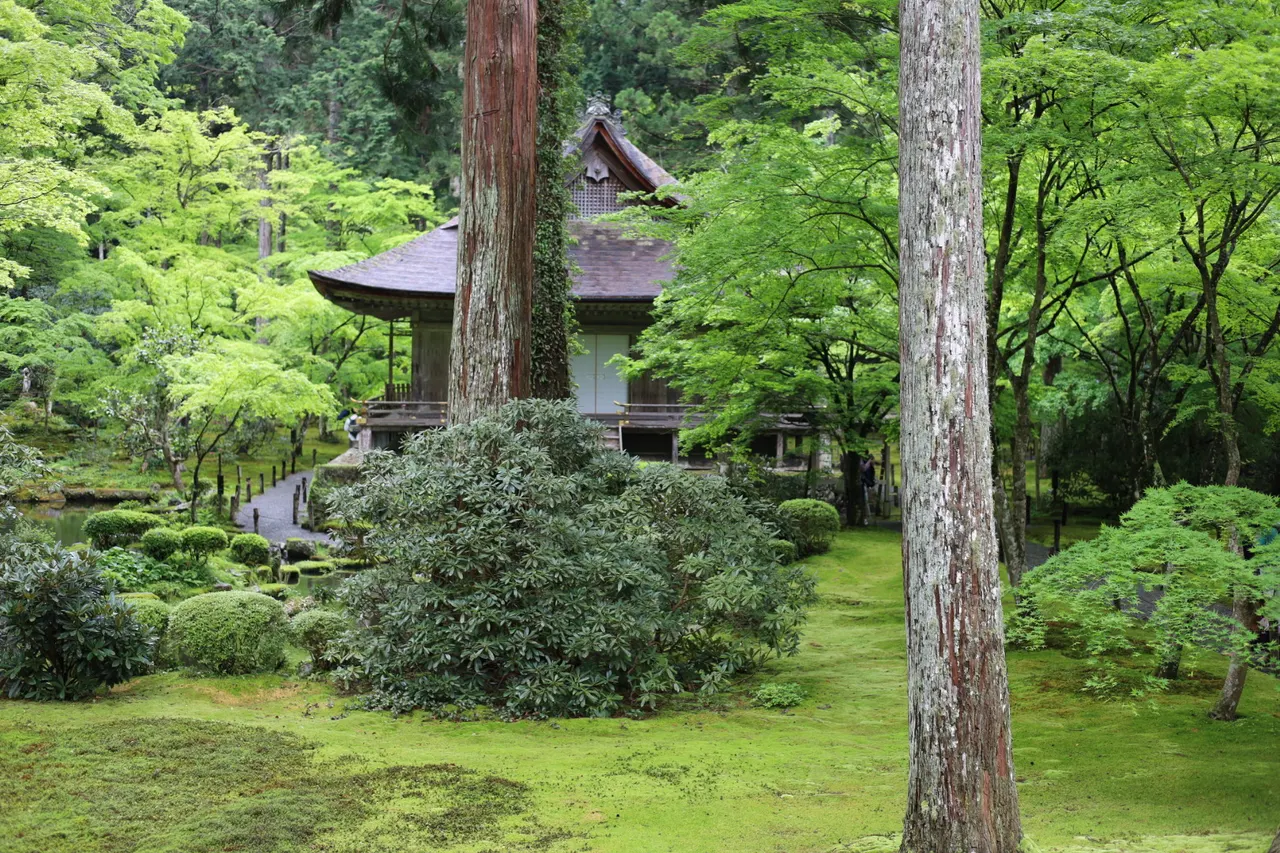
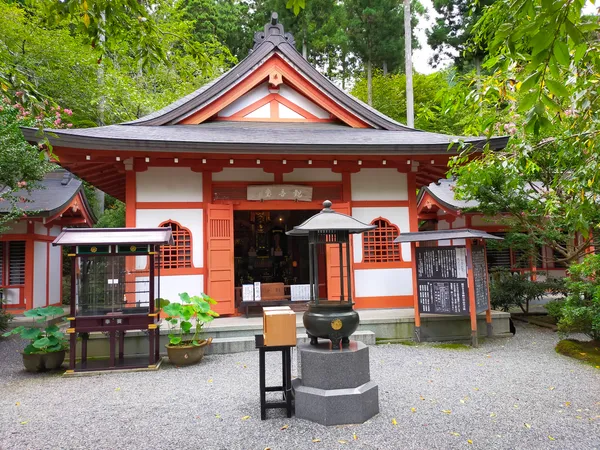
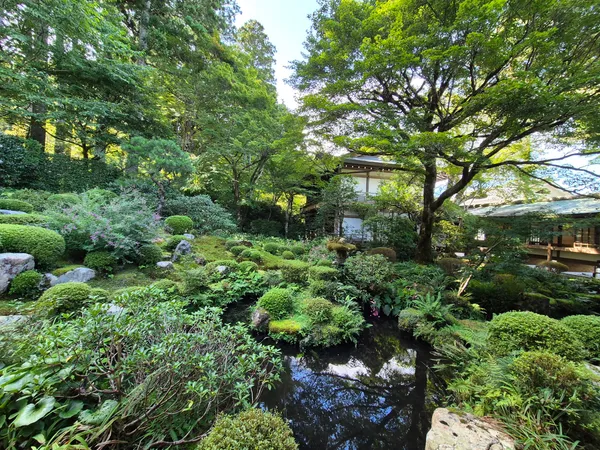
(7.6k)Sanzen-in is a venerable Tendai Buddhist temple founded in 784 CE, located in the rural town of Ohara, about an hour north of central Kyoto. It's known for its extensive grounds, various buildings, and beautiful gardens, including a moss garden with charming stone statues. Visitors can explore connected temple buildings, view Japanese calligraphy and paintings, and admire a National Treasure Amida Triad statue.
Address
540 Ōhararaikōinchō, Sakyo Ward, Kyoto, 601-1242, Japan
Website
Opening Hours
9:00 AM – 5:00 PM (Thu)
Phone
+81 75-744-2531
Worth it?
Worth it if you're looking for a tranquil, less crowded temple experience with stunning gardens
Skip if you prefer to stay within central Kyoto's main attractions
Location
540 Ōhararaikōinchō, Sakyo Ward, Kyoto, 601-1242, Japan
Highlights
The most famous view is of the Ojo Gokuraku-in Hall, seen through maple and cedar trees across a moss garden.
The Ojo Gokuraku-in Hall, the oldest temple building, houses Sanzen-in's most valued treasure: a statue of Amida Buddha flanked by two attendant deities.
You'll find rows of miniature Kannon statues donated by visitors in the back of the temple grounds.
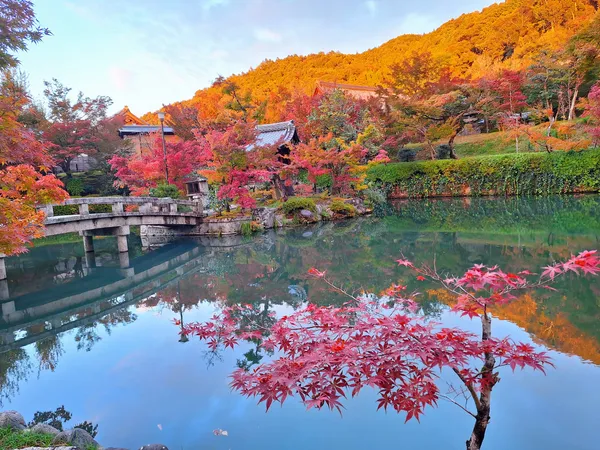
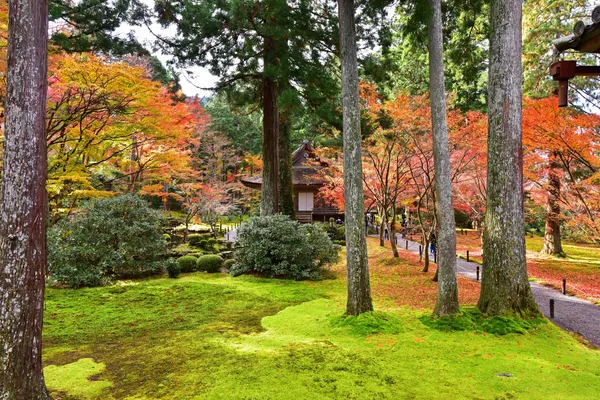
The temple grounds are particularly impressive during autumn when the leaves change color, usually in mid-November.
Who it's for
This temple is ideal for those seeking a peaceful escape from central Kyoto, especially history buffs, those interested in Buddhism, and anyone who appreciates traditional Japanese gardens and architecture.
Know before you go
Entry typically costs between 500 and 700 yen and is often cash-only, so come prepared.
Reviews
4.5
Exceptional
5 ReviewsVisitors consistently praise Sanzen-in for its beautiful gardens, architecture, and the peaceful atmosphere, especially outside of peak times. Many appreciate the well-maintained grounds, charming statues, and the reasonable entrance fee, with some enjoying a cup of shiso tea.
Fun facts
Sanzen-in is a monzeki temple, meaning its head priests historically came from the imperial family.
The temple's history dates back to the 8th century, when Saicho, who introduced Tendai Buddhism to Japan, established a hermitage that became its beginning.