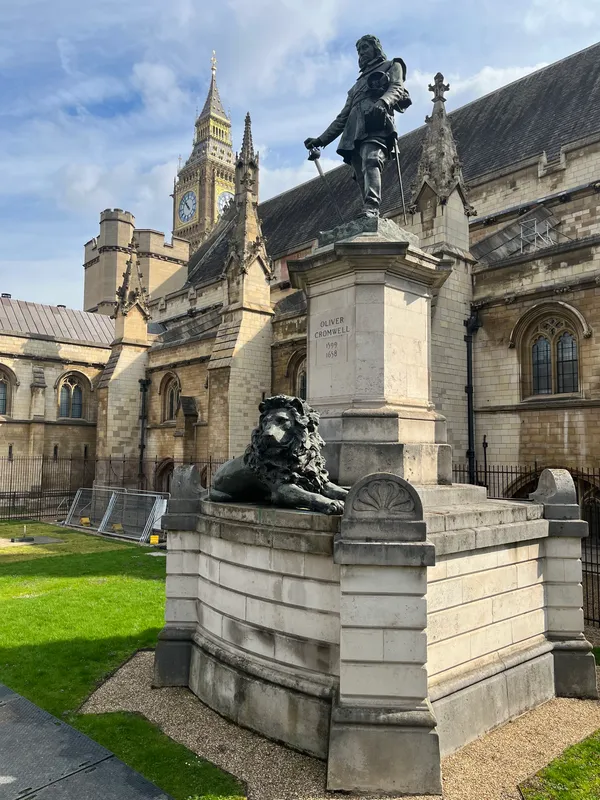
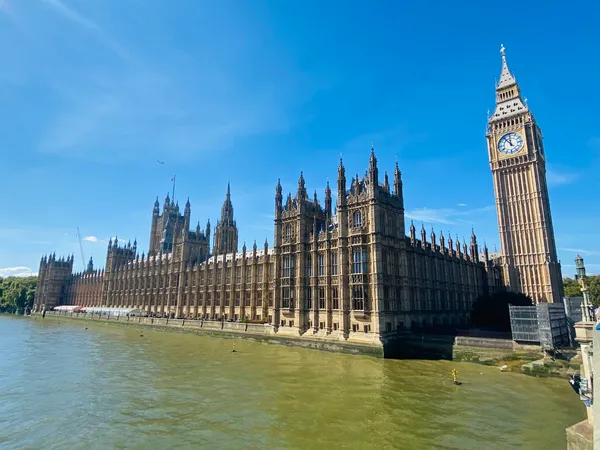
Palace of Westminster
4.6
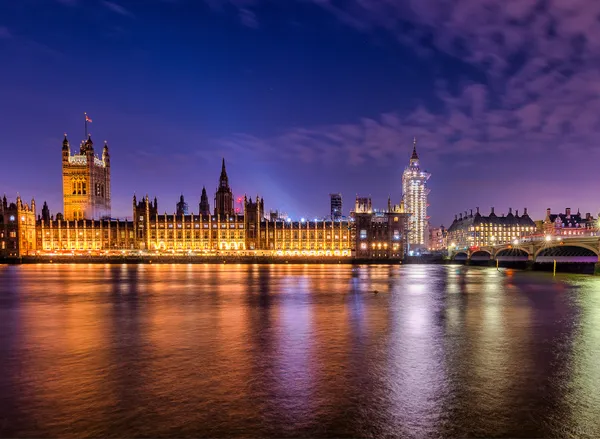
(4.5k)The Palace of Westminster is the meeting place for the UK Parliament, housing both the House of Commons and the House of Lords. Originally an 11th-century royal palace, it became the permanent home of Parliament in the 13th century after a fire destroyed the royal apartments. The current Gothic Revival building was largely rebuilt after a major fire in 1834, with construction lasting 30 years.
Address
London SW1A 0AA, UK
Phone
+44 20 7219 3000
Worth it?
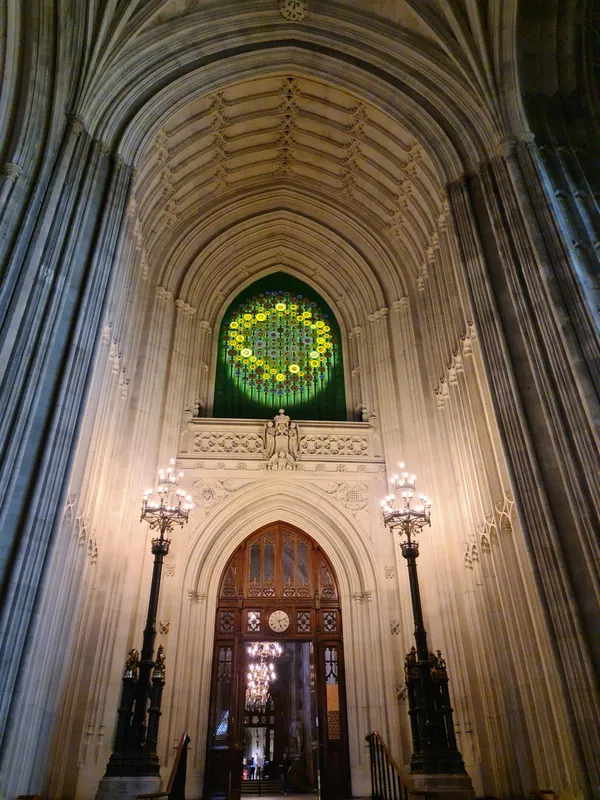
Worth it if you appreciate grand architecture and want to delve into British political history
Skip if you're not keen on guided tours or strict no-photo policies in key areas
Location
London SW1A 0AA, UK
Nearby places
See more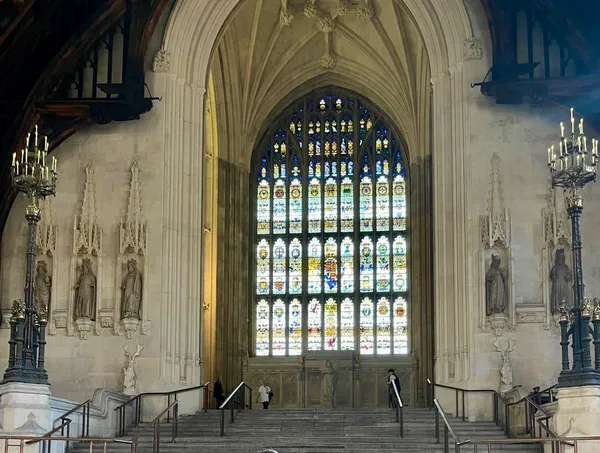
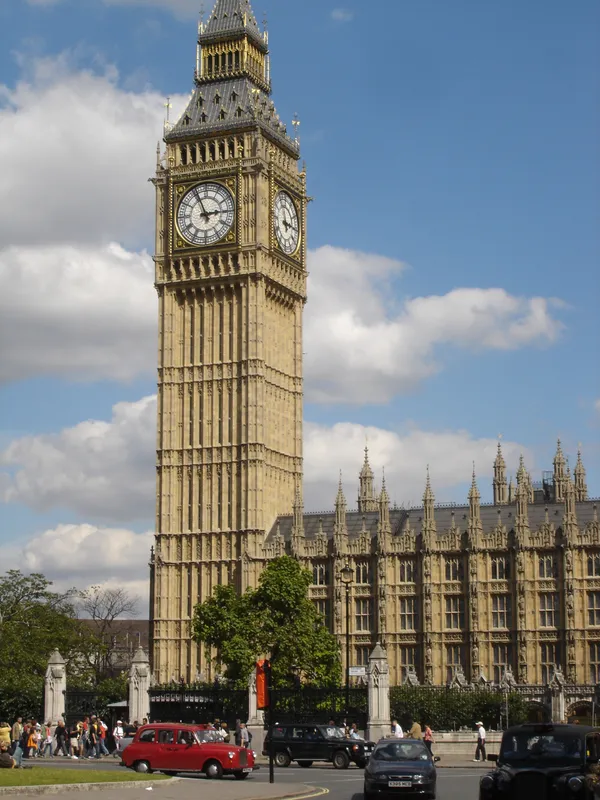
Highlights
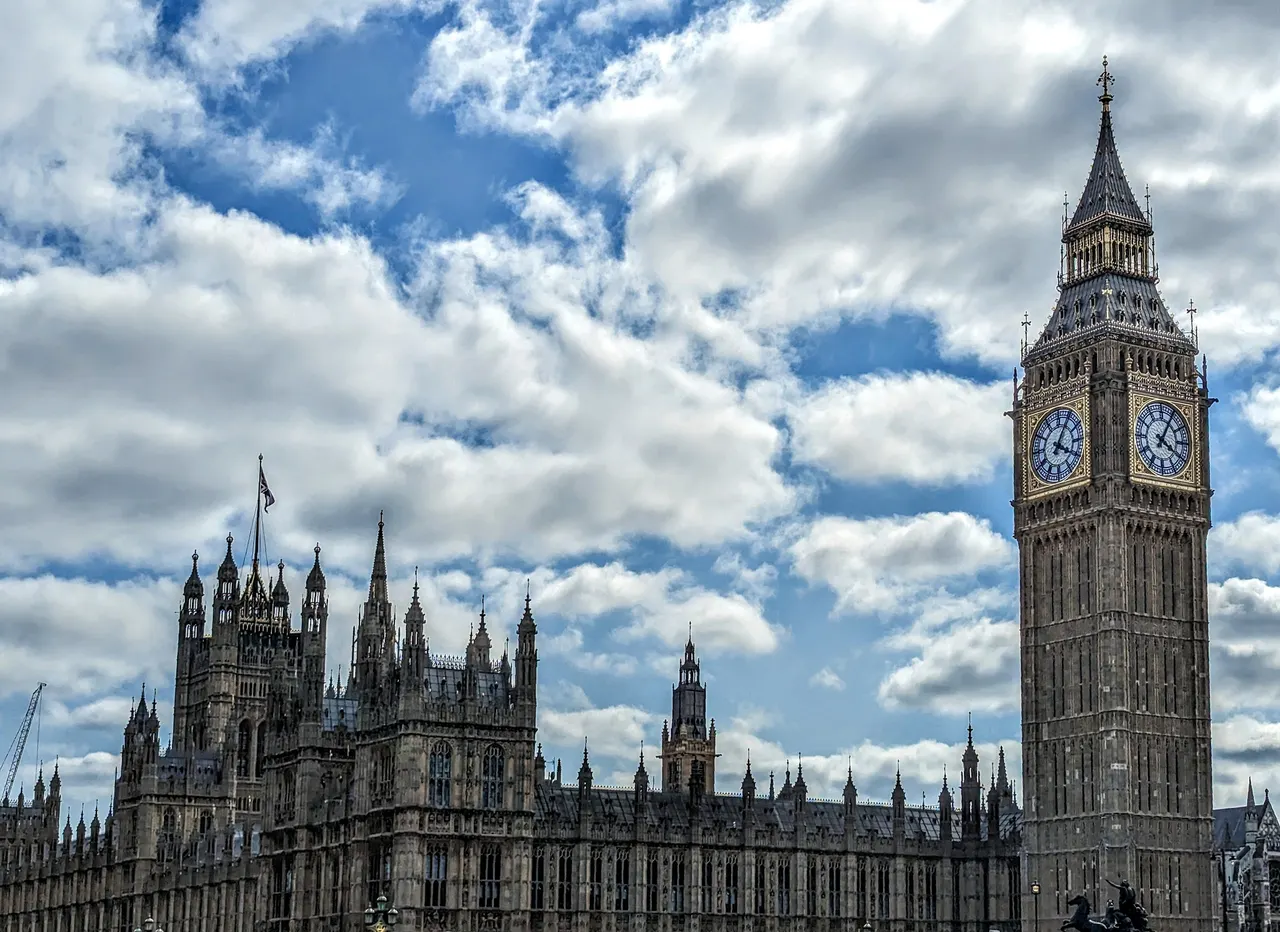
The Elizabeth Tower, housing the bell nicknamed Big Ben, is a prominent landmark of London and the UK.
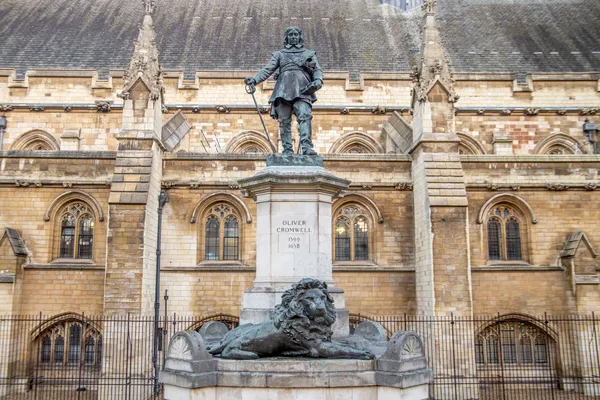
You can see statues of former prime ministers inside, which many visitors find appealing.
The audio tour is highly recommended, especially if you listen to all the extra commentary, offering a deep dive into the history and politics.
Nearby eats
See more eats
Who it's for
This is for anyone interested in British history and politics, especially those who want to see the inner workings of the UK government. It's also a draw for architecture enthusiasts.
Know before you go
Guided tours are available on Saturdays and during the summer.
Security for entry is strict but well-organized.
Nearby stays
Reviews
4.6
Exceptional
5 ReviewsReviewers consistently praise the stunning architecture and the rich historical and political insights gained from visiting the Palace of Westminster. Many recommend the audio tour for a comprehensive experience, though the strict no-photo policy in certain areas is a common point of frustration.
Fun facts
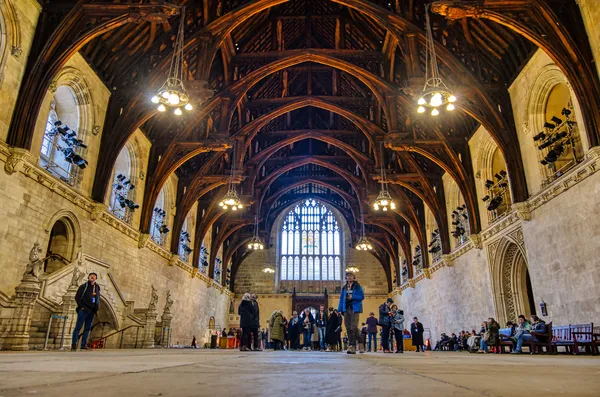
The oldest surviving part of the palace is Westminster Hall, dating from the reign of William II (1087–1100).
The palace has been a Grade I listed building since 1970 and part of a UNESCO World Heritage Site since 1987.
During the Second World War, the palace was hit by bombs on fourteen separate occasions, with the worst raid occurring in May 1941.