Petrie Museum of Egyptian Archaeology
4.7
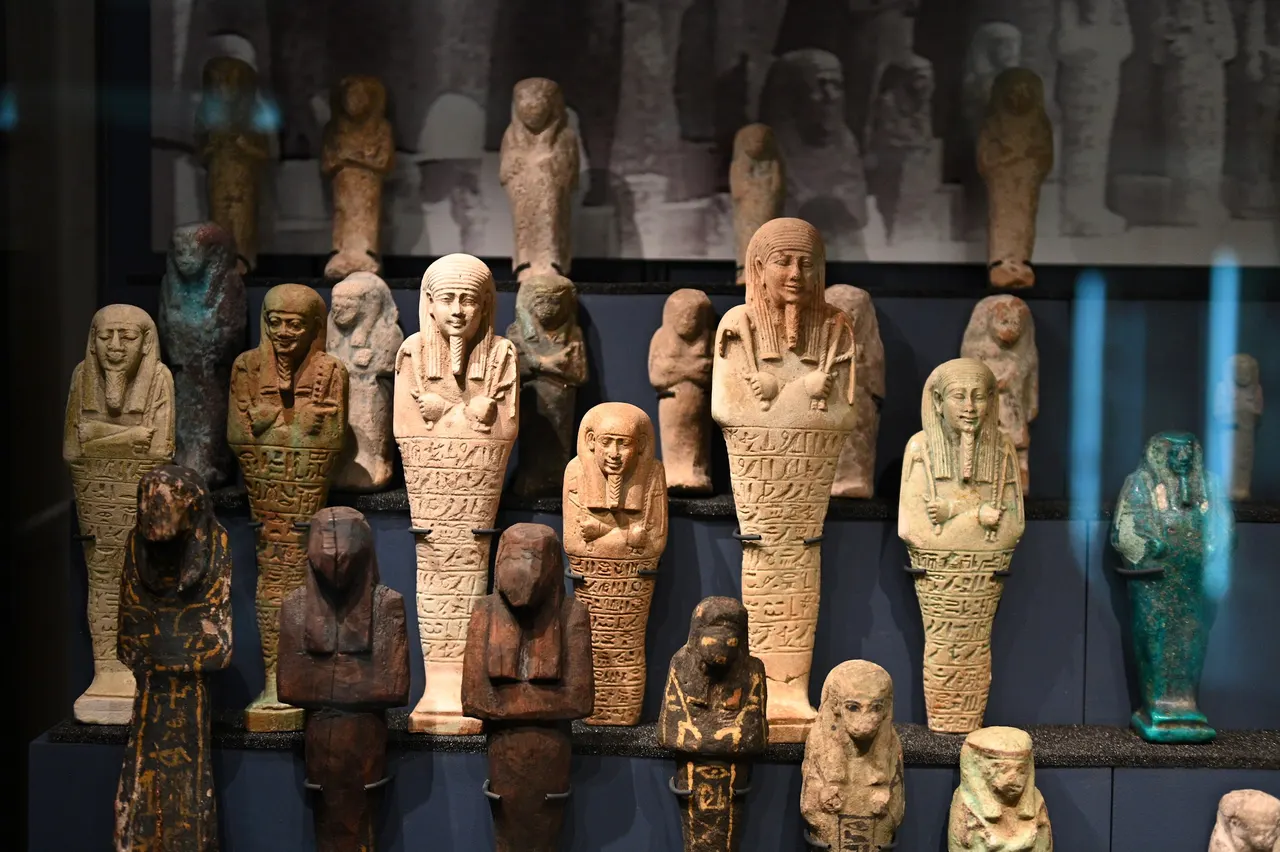
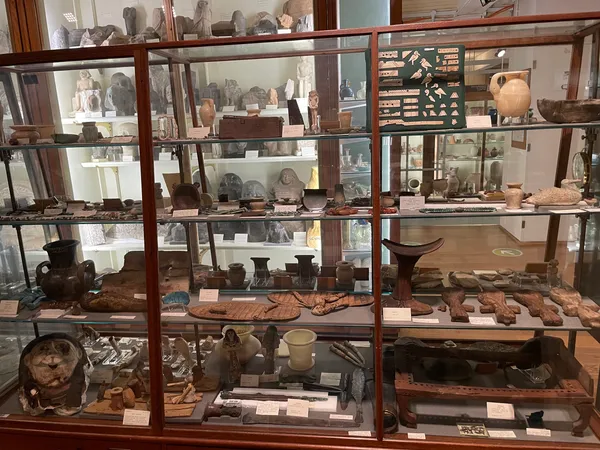
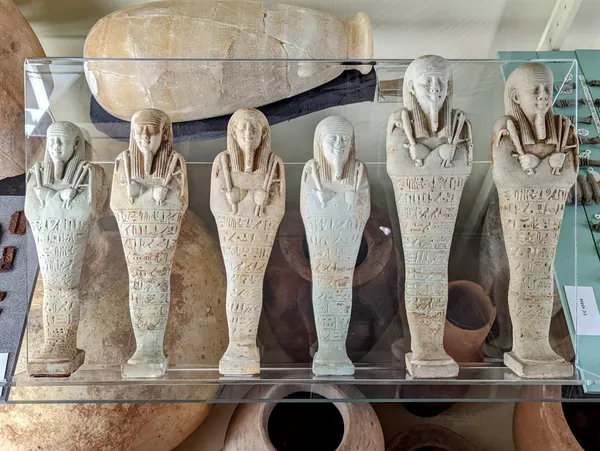
(743)This university museum houses one of the world's largest collections of ancient Egyptian and Sudanese artifacts, with over 80,000 objects. It was established in 1892 as a teaching resource and later expanded significantly with William Matthew Flinders Petrie's collections. The museum is split into three galleries, displaying everything from jewelry and pottery to ancient clothing and mummy portraits.
Address
Malet Pl, London WC1E 6BT, UK
Opening Hours
Sunday
Phone
+44 20 3108 9000
Worth it?
Worth it if you want to see unique artifacts in a calm, uncrowded environment
Skip if you're expecting a grand, modern museum experience
Location
Malet Pl, London WC1E 6BT, UK
Nearby places
See more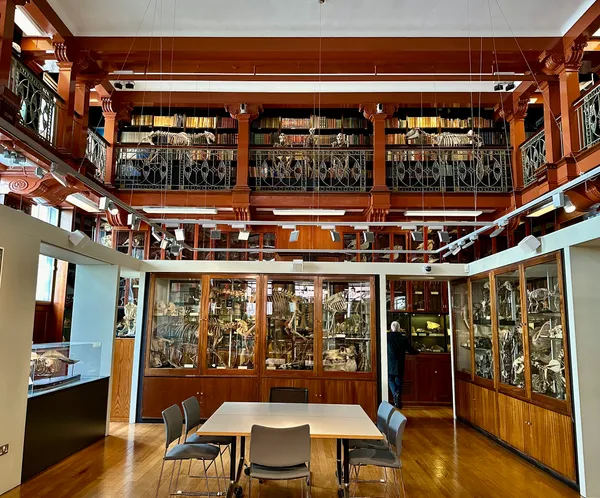
Highlights
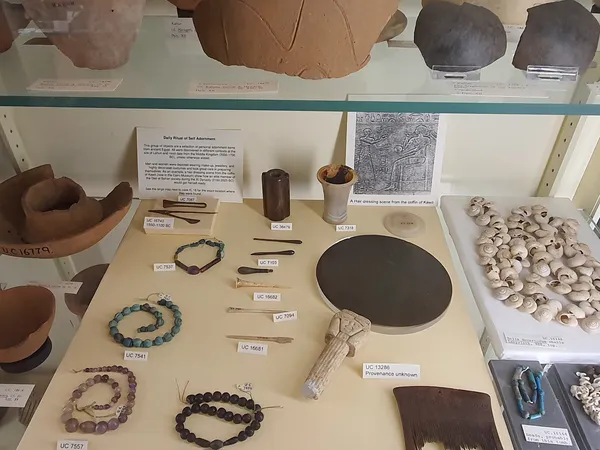
You can see items that paint a picture of the day-to-day lives of ordinary ancient Egyptians, including amulets, beaded necklaces, clothing, sandals, makeup pots, and children’s games.
The museum holds significant pieces of Egyptian costume, such as a piece of linen from around 5000 BC and the Tarkhan dress, the world's oldest known woven garment.
The Inscriptions Aisle displays tablets with hieroglyphics, hieratic, Greek, and Arabic, organized by material type.
Nearby eats
See more eats
Who it's for
Anyone interested in ancient Egyptian history, especially those who prefer a quieter, more intimate setting than larger museums. It's also good for families with children.
Know before you go
The museum is closed on Mondays and Sundays, and has limited hours on weekdays and Saturdays.
While wheelchair accessible restrooms are available, there is no wheelchair accessible parking.
Nearby stays
Reviews
4.7
Exceptional
5 ReviewsVisitors consistently highlight the museum's extensive and unique collection of ancient Egyptian and Sudanese artifacts, including textiles, pottery, and jewelry. They appreciate the free entry and the intimate, quiet atmosphere, which makes it ideal for enthusiasts. Guests also commend the knowledgeable and friendly staff.
Fun facts
The museum's collection was initially donated by writer Amelia Edwards and significantly expanded by William Matthew Flinders Petrie, who sold his antiquities to University College in 1913.
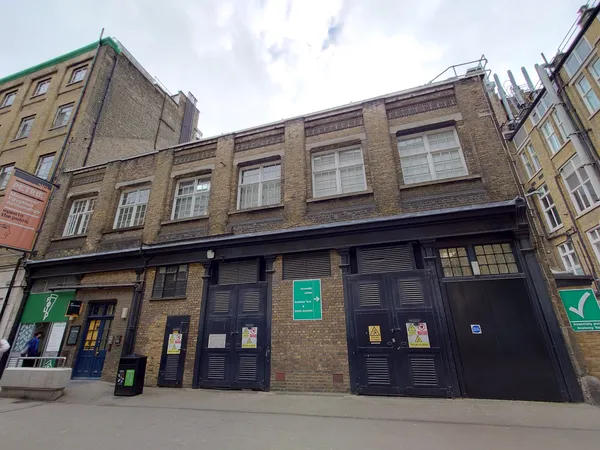
During World War II, the collection was packed and moved out of London for safekeeping, eventually relocating to a former stable in the early 1950s.
The entire collection has been digitized and can be browsed and consulted online.