Edo-Tokyo Museum
4.4
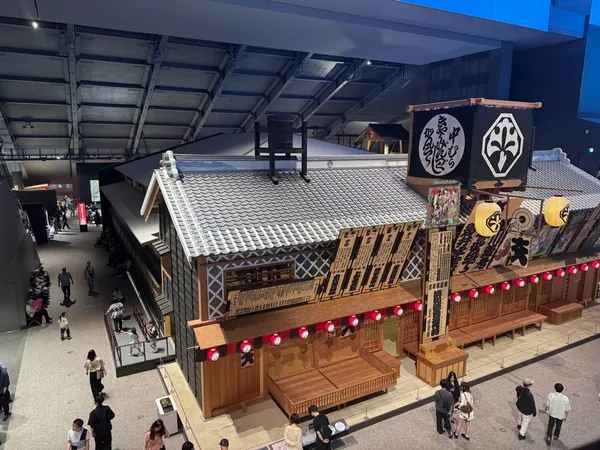
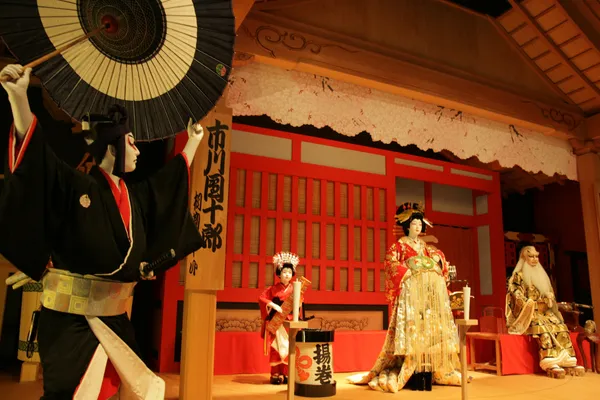
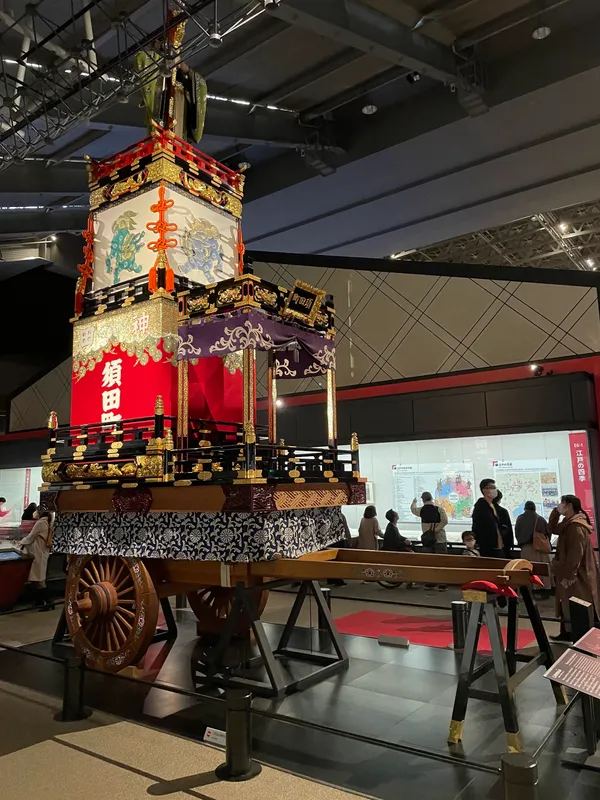
(12.7k)This major history museum, opened in 1993, covers the history of Tokyo from 1590, when it was known as Edo, through to 1964. It features incredibly detailed, life-sized replicas of old buildings and daily scenes, offering an immersive way to learn about the city's past and cultural heritage. The museum is currently undergoing a major renovation and is expected to reopen in March 2026.
Address
1-chōme-4-1 Yokoami, Sumida City, Tokyo 130-0015, Japan
Phone
+81 3-3626-9974
Worth it?
Worth it if you want a deep dive into Tokyo's past through engaging, large-scale exhibits
Skip if you're looking for a quick visit or prefer traditional artifact displays
Location
1-chōme-4-1 Yokoami, Sumida City, Tokyo 130-0015, Japan
Nearby places
See more
Highlights
The museum features a full-scale, shortened replica of the Nihonbashi bridge, which was the main entrance to Edo.
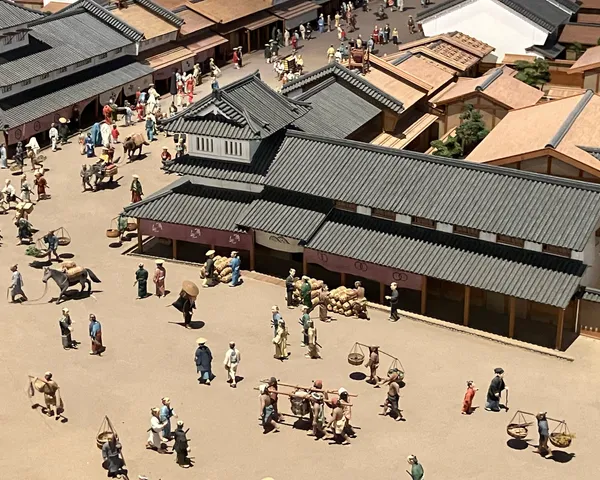
You can explore scale models of towns and buildings from the Edo, Meiji, and Shōwa periods.
Digital screens along the upper walls project imagery of Edo and modern Tokyo skies, creating a unified visual setting with the exhibits.
Nearby eats
See more eats

Who it's for
Anyone interested in Japanese history and culture, especially those who appreciate detailed models and immersive exhibits. It's engaging for both adults and children.
Know before you go
The museum is currently closed for a major renovation and is scheduled to reopen on March 31, 2026.
Nearby stays
Reviews
4.4
Very good
5 ReviewsVisitors love the museum for its detailed, life-sized replicas and immersive experience of Tokyo's history and culture, particularly highlighting the impressive craftsmanship. Many note the spacious layout and engaging atmosphere, making it suitable for both adults and children.
Fun facts
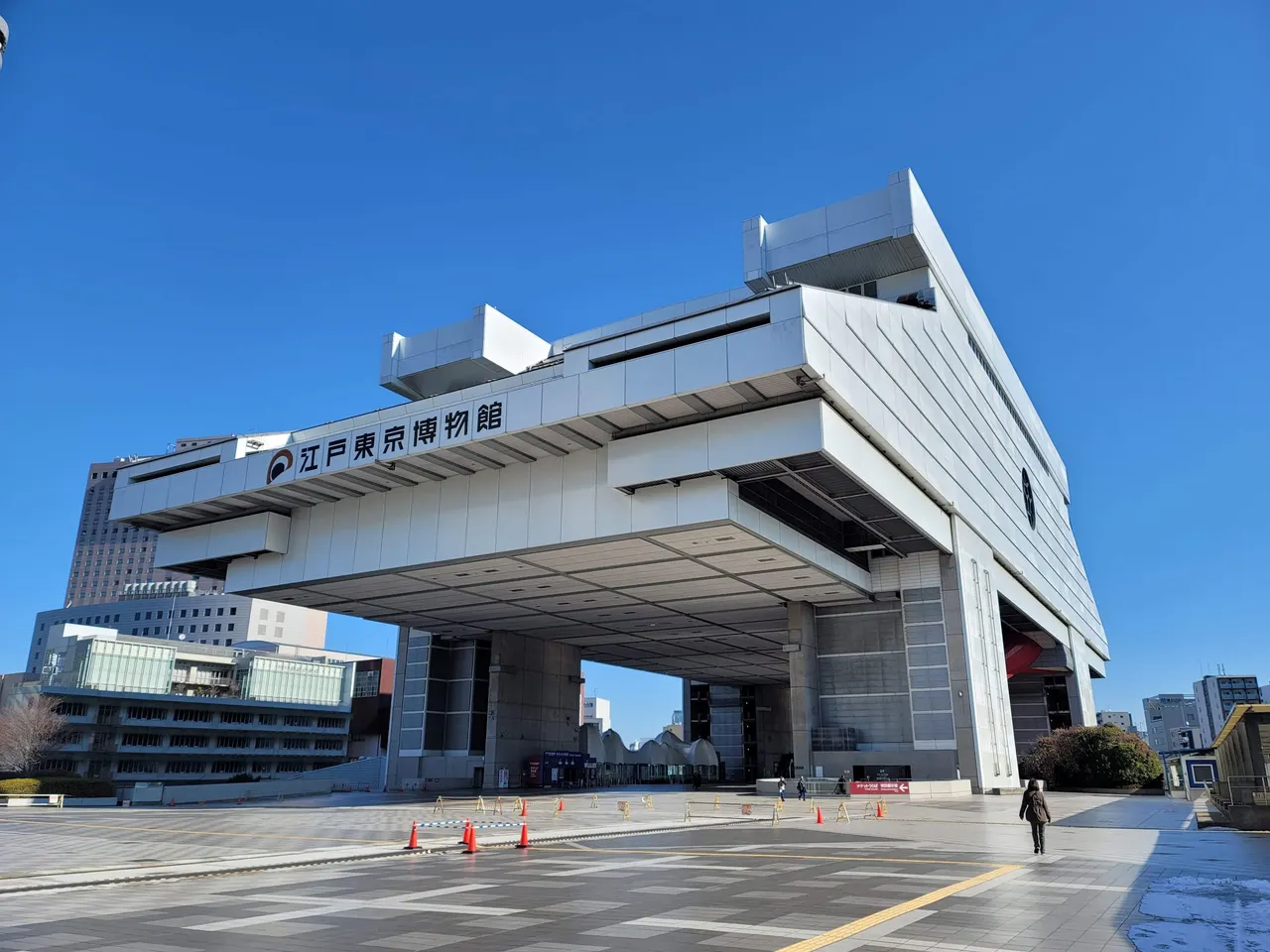
The building's concrete exterior is designed to resemble a traditional rice storehouse and is the same height as the Edo Castle.
The museum building is 62.2 meters tall and was designed by architect Kiyonori Kikutake.
To protect artifacts from vibrations and earthquakes, 126 springs are positioned throughout the overhang, capable of absorbing 3.5 inches of vertical movement.