Sensō-ji
4.5
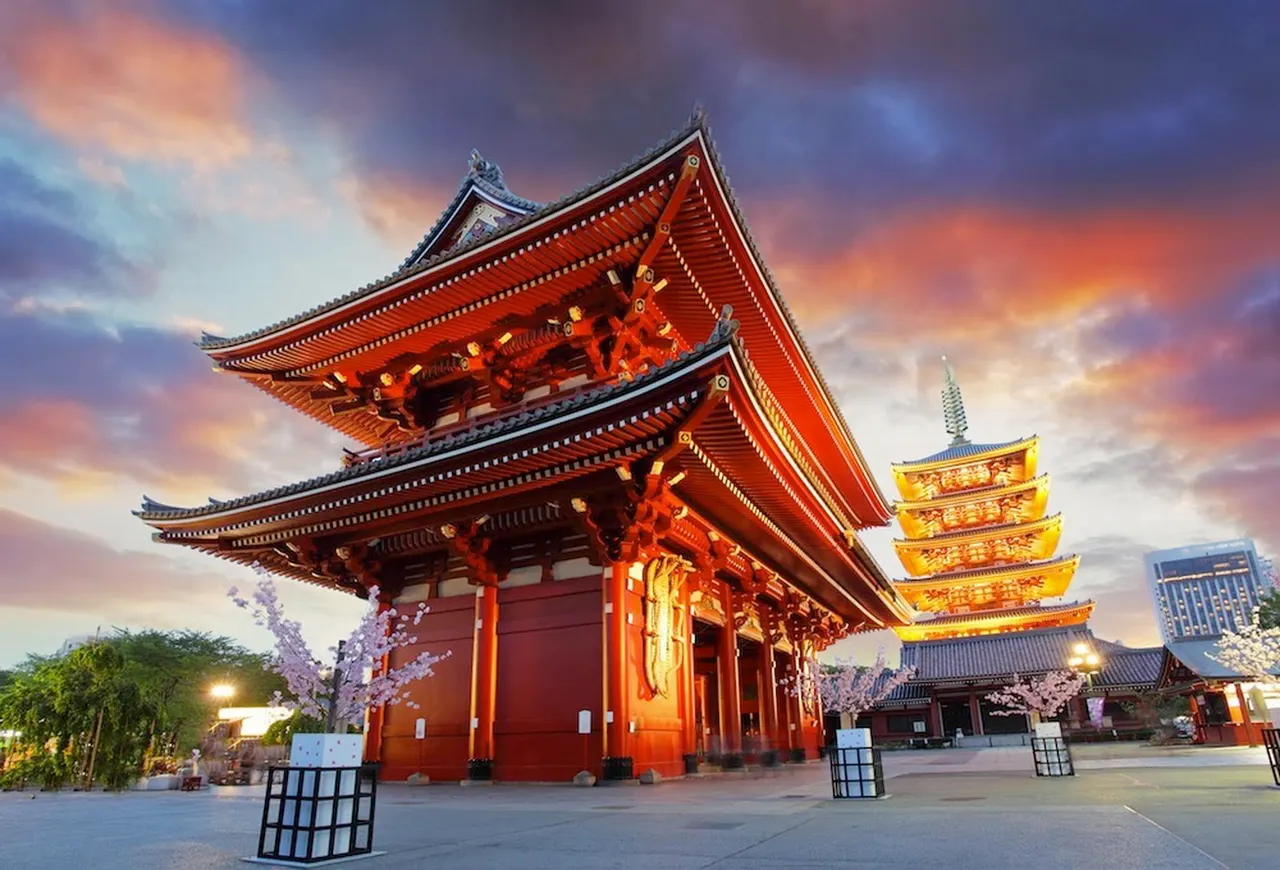
(89.0k)Sensō-ji is Tokyo's oldest Buddhist temple, completed in 645 and dedicated to Kannon, the bodhisattva of compassion. It's a sprawling complex that blends history, spirituality, and traditional Japanese culture, drawing over 30 million visitors annually. The temple grounds include a main hall, a five-story pagoda, and large gates, all accessible via the bustling Nakamise-dori street.
Address
2-chōme-3-1 Asakusa, Taito City, Tokyo 111-0032, Japan
Website
Phone
+81 3-3842-0181
Worth it?
Worth it if you want to immerse yourself in a vibrant, historic, and spiritual atmosphere
Skip if you prefer quiet, secluded temples, as it can get very crowded
Location
2-chōme-3-1 Asakusa, Taito City, Tokyo 111-0032, Japan
Nearby places
See more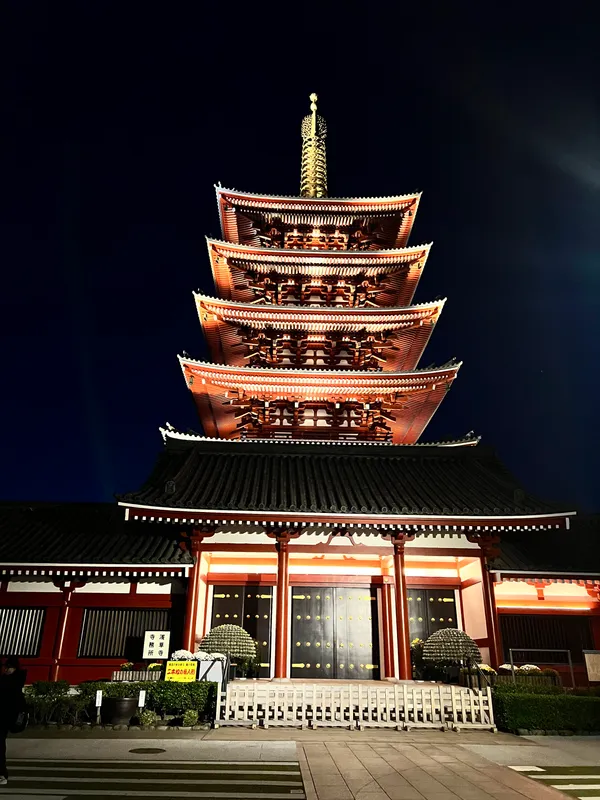
Highlights
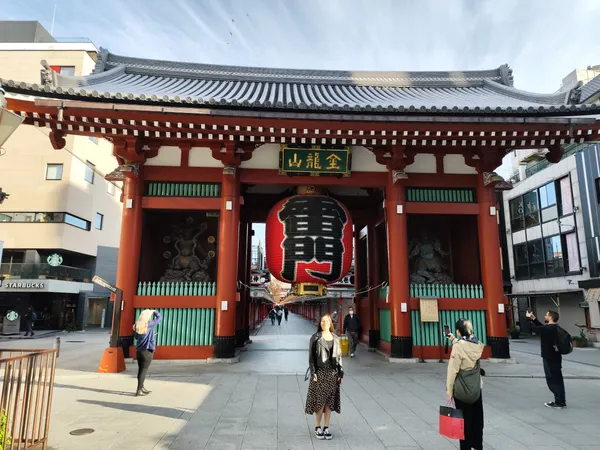
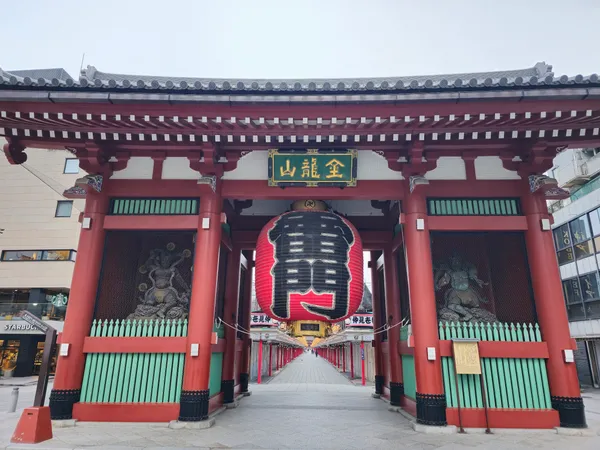
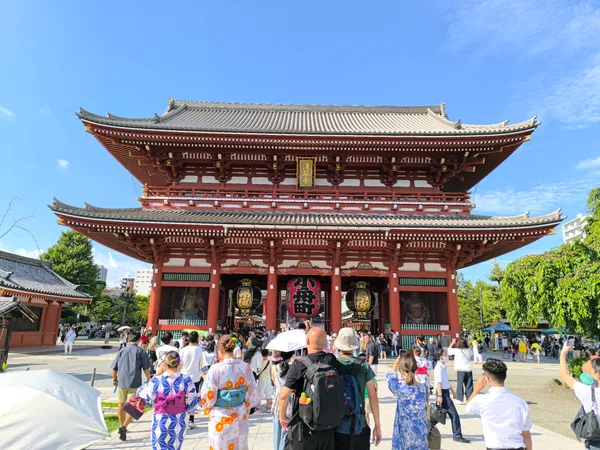
The Kaminarimon Gate, or "Thunder Gate," with its massive red-and-black lantern, dramatically marks the entrance to the temple complex.
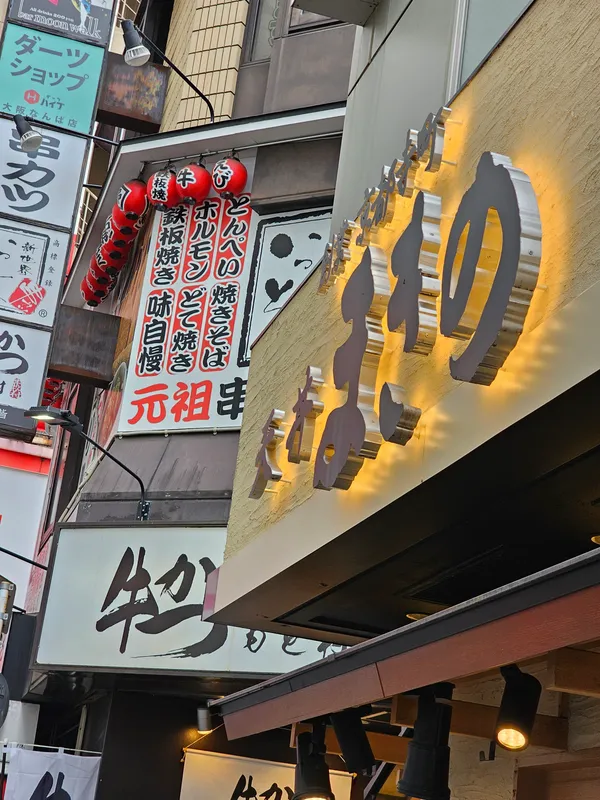
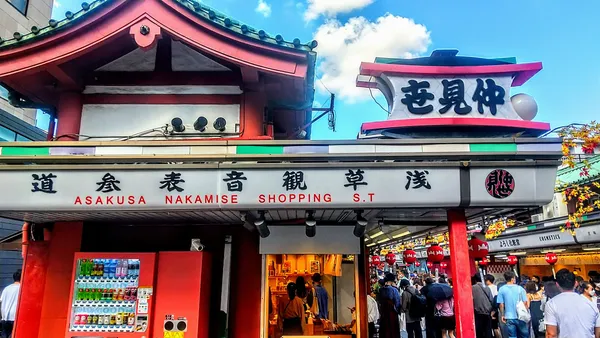
Nakamise-dori, the street leading to the main temple, is lined with shops selling traditional goods and food stalls offering fresh treats.
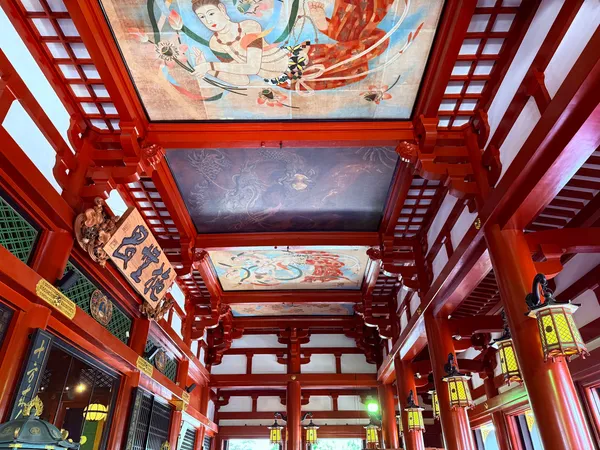
Despite the crowds, the main hall and surrounding grounds offer a calm space for prayer and reflection, with striking colors and architectural details.
Nearby eats
See more eats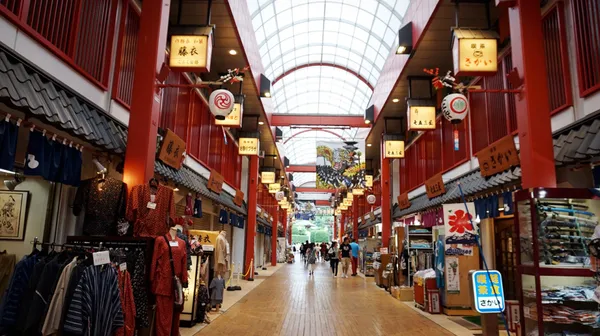


Who it's for
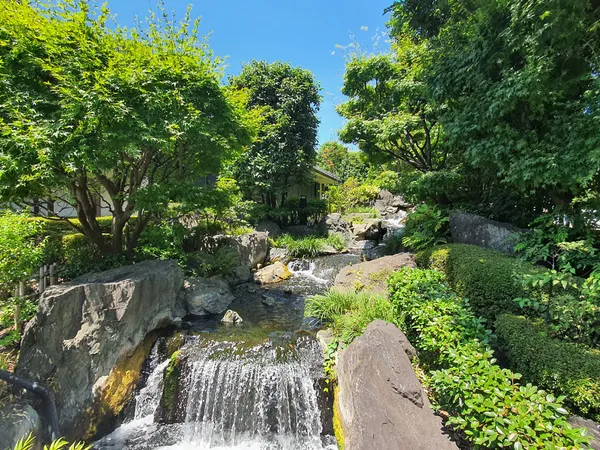
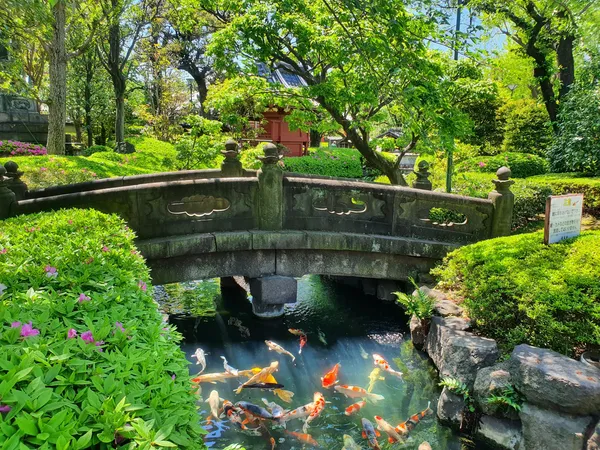
This temple is for anyone interested in Japanese history, spirituality, and traditional culture, including families looking for a mix of historical exploration and green space. It's a place where you can experience both peaceful devotion and lively local atmosphere.
Know before you go
The temple is wheelchair accessible, with a wheelchair-accessible entrance.
Nearby stays
Reviews
4.5
Exceptional
5 ReviewsVisitors are consistently captivated by the temple's historical depth and lively atmosphere, particularly the impressive Kaminarimon Gate and the bustling Nakamise-dori. While it can get crowded, many find the experience of exploring the main temple and its surrounding areas to be inspiring and memorable.
Fun facts
Sensō-ji was destroyed during a firebombing air raid on Tokyo in 1945 during World War II, and its main hall was rebuilt in the 1950s.
The temple's origins are uncertain, but legend states it began in 628 when two brothers discovered a statue of Kannon while fishing.
The current main hall features a titanium tiled roof, designed to maintain a historic image while being stronger and lighter.