
Yasaka Shrine
4.4
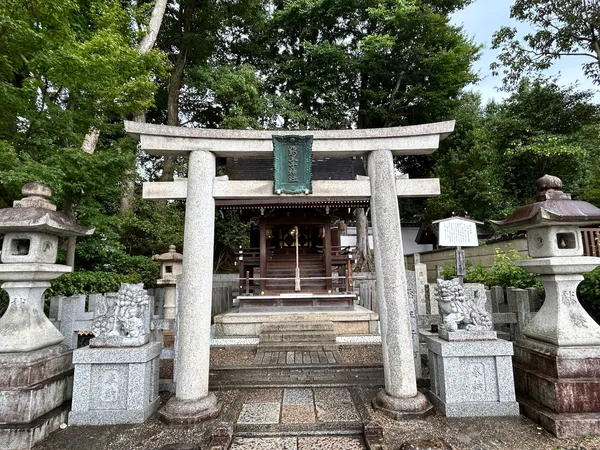
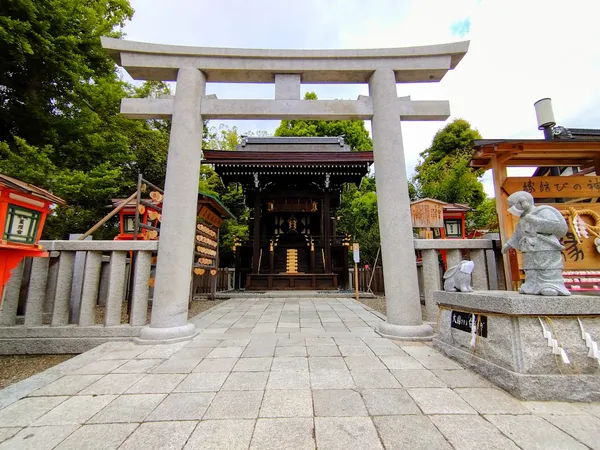
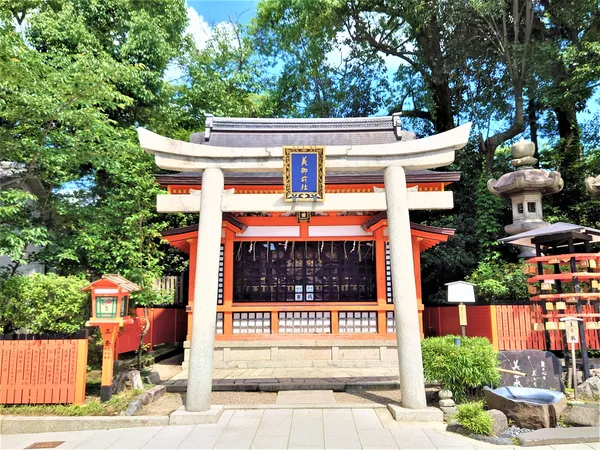
(31.4k)Yasaka Shrine is a Shinto shrine established in 656 A.D. and is a radiant gateway to Kyoto's spiritual heart, located right at the entrance of the Gion district. It's known for its beautiful architecture, including bright vermilion gates and a lantern-covered courtyard, offering a peaceful atmosphere. The shrine is also home to one of Japan's most famous festivals, the Gion Matsuri.
Address
625 Gionmachi Kitagawa, Higashiyama Ward, Kyoto, 605-0073, Japan
Opening Hours
OPEN 24 HOURS (Thu)
Phone
+81 75-561-6155
Worth it?
Worth it for a serene and mystical experience, especially at night when it's quieter and beautifully illuminated
Skip if you prefer to avoid crowds during peak daytime hours
Location
625 Gionmachi Kitagawa, Higashiyama Ward, Kyoto, 605-0073, Japan
Nearby places
See more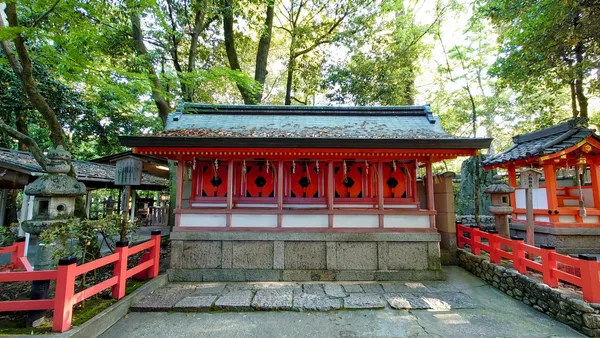
Highlights
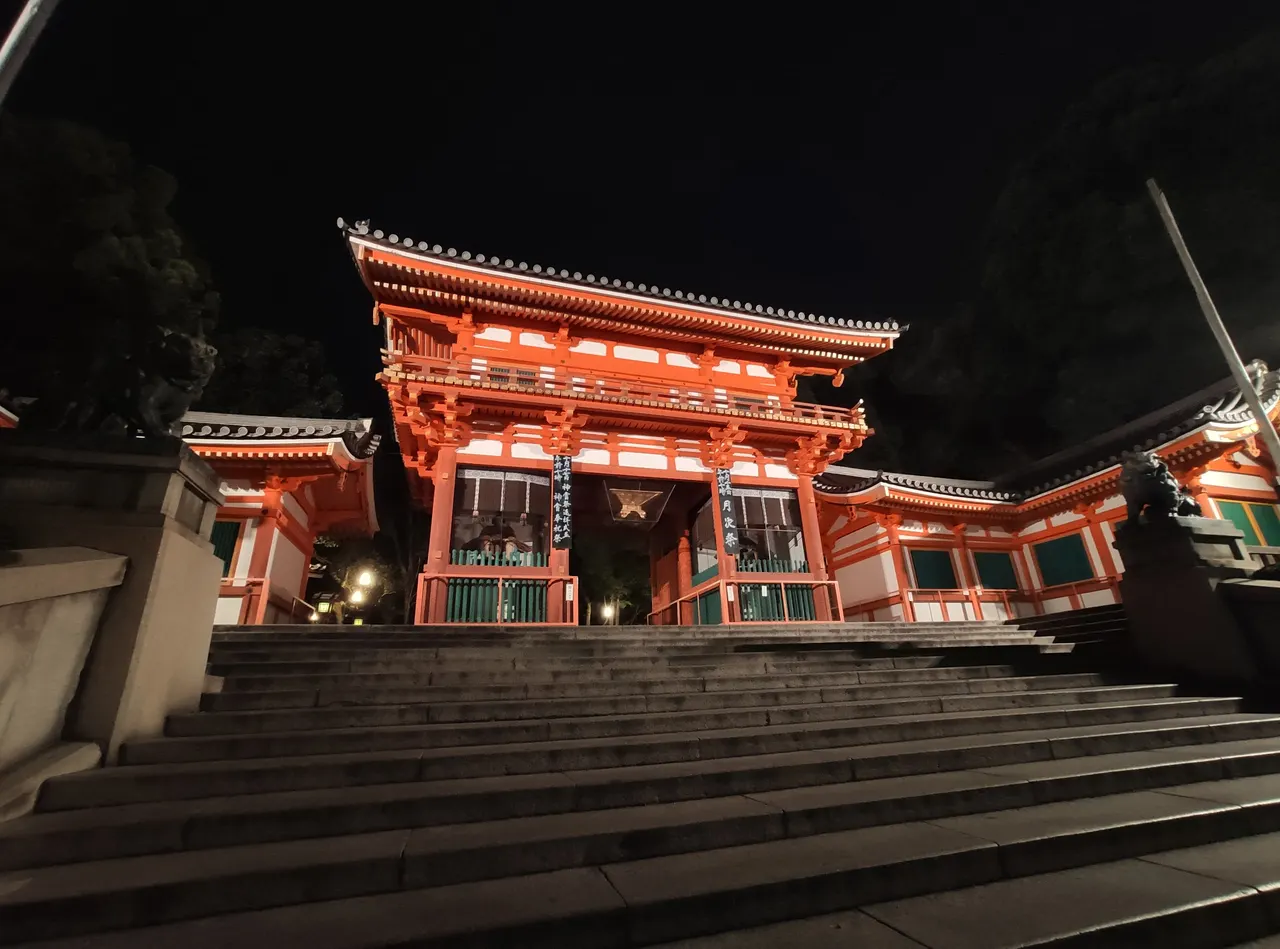
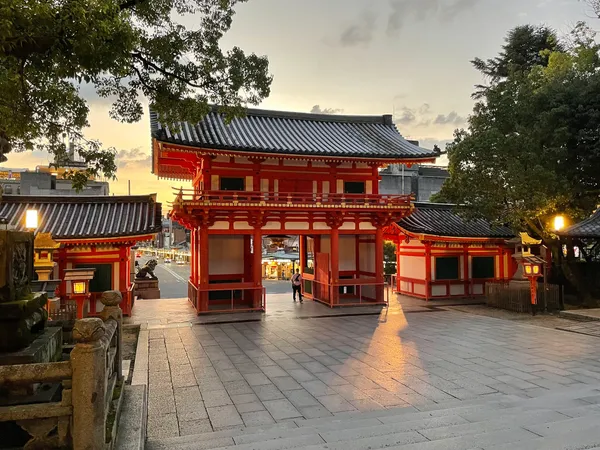
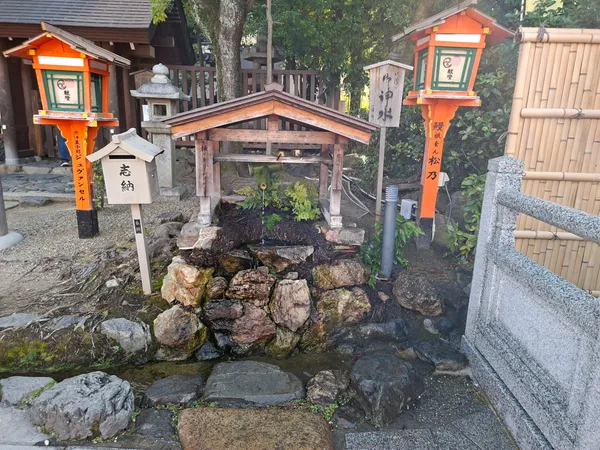
The grand Rōmon Gate, with its bold red pillars, immediately captures attention as you approach the shrine.
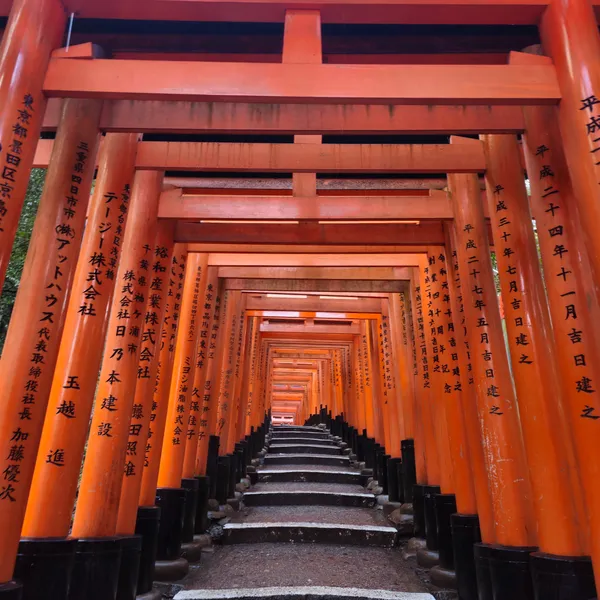
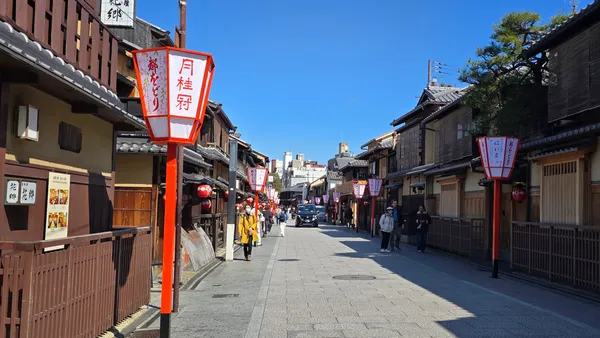
At night, the shrine's striking vermilion gates and elegant wooden architecture are beautifully illuminated by rows of glowing lanterns, creating a serene ambiance.
The spacious grounds allow for quiet reflection or photography, especially when crowds are thin.
During the day, you can find street vendors selling food and mementos, and there are also restaurants in the park complex.
Nearby eats
See more eats

Who it's for
Anyone interested in traditional Japanese architecture and spiritual sites, especially those who appreciate a tranquil setting for reflection or photography. It's also great for visitors who enjoy vibrant energy during festivals.
Know before you go
The shrine is open 24 hours, but it is usually busiest during the day.
Consider visiting at night for a quieter experience and to see the illuminated lanterns.
Nearby stays
Reviews
4.4
Very good
5 ReviewsVisitors consistently praise Yasaka Shrine for its beautiful architecture, particularly the vermilion gates and lantern-covered courtyard, and its peaceful atmosphere, especially at night. Many recommend visiting in the early morning or evening to avoid crowds and experience the illuminated grounds.
Fun facts
The Gion faith, which originally revolved around the deity Gozu Tenno, shifted to Susanoo during the Meiji era's Separation of Shinto and Buddhism.
Gozu Tenno was originally a Buddhist-style Onmyōdō deity, considered the guardian deity of Jetavana, where the Buddha studied.
The cult began in the Heian period to prevent epidemics by comforting the god of pestilence.