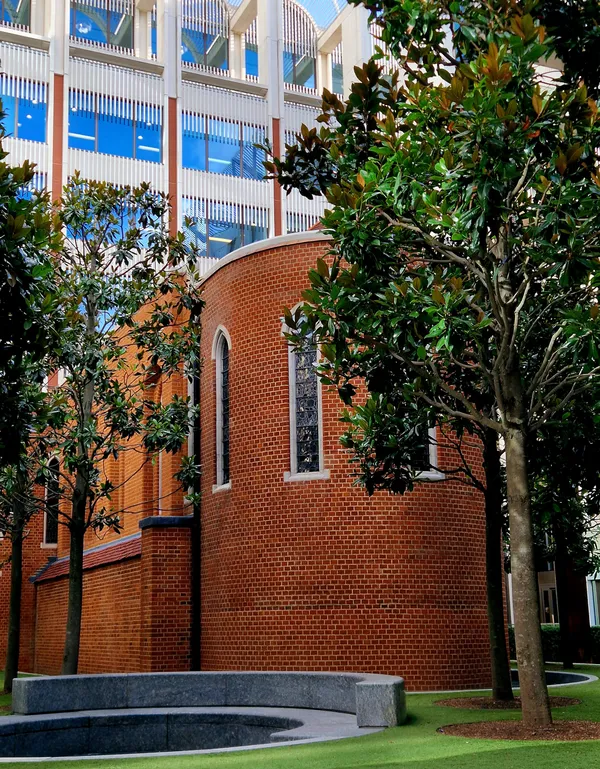
Fitzrovia Chapel
4.8
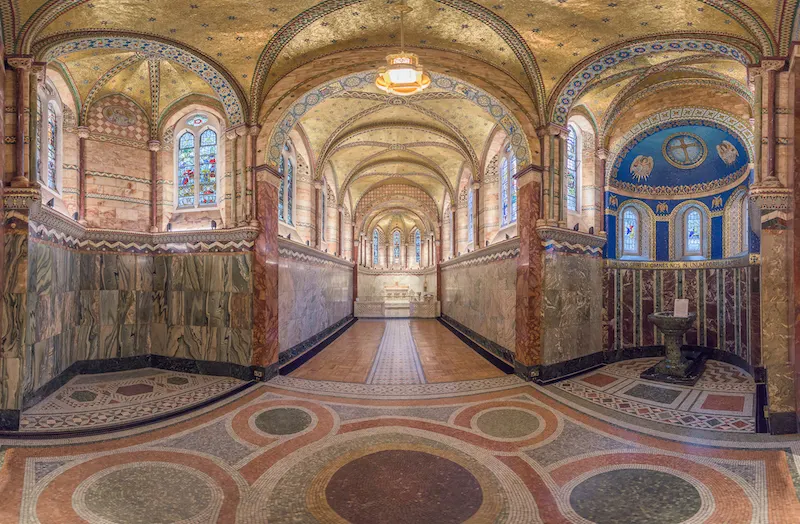
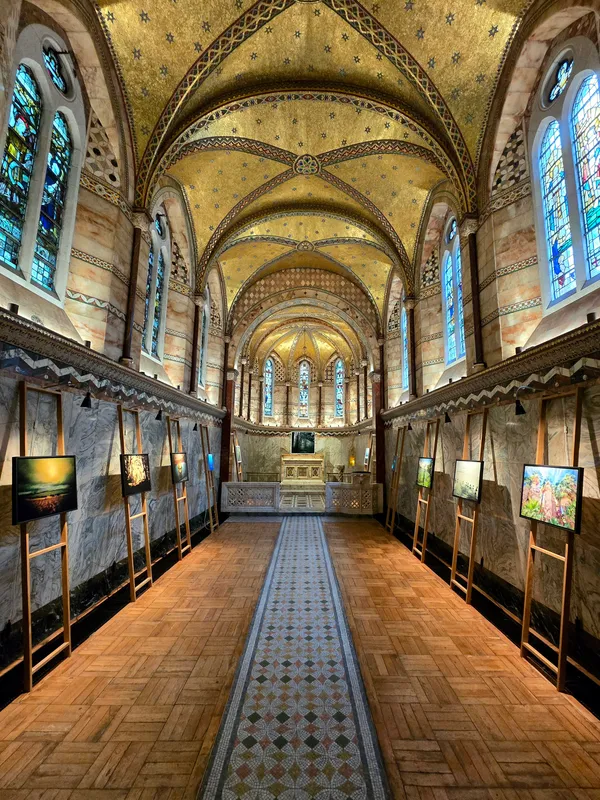
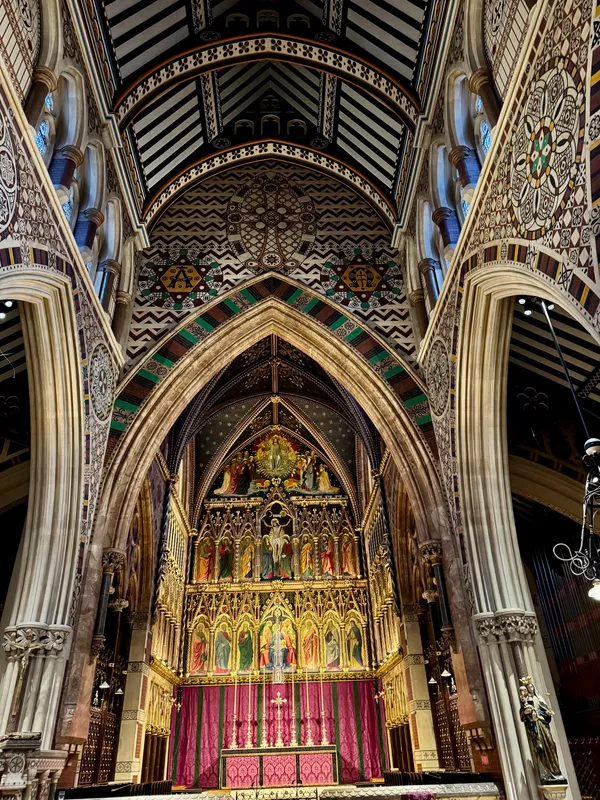
(678)The Fitzrovia Chapel is a stunning example of Gothic Revival architecture, originally built as the Middlesex Hospital Chapel between 1891 and 1892. It was preserved as a Grade II* listed building when the hospital was demolished and now stands within Pearson Square. The chapel is known for its colorful interior decor, featuring intricate mosaics and polychrome marble.
Address
2 Pearson Square, London W1T 3BF, UK
Website
Opening Hours
Sunday
Phone
+44 20 3409 9895
Worth it?
Worth it if you're looking for a serene, visually rich space that feels like a hidden gem in the city
Skip if you're expecting a large, active place of worship
Location
2 Pearson Square, London W1T 3BF, UK
Nearby places
See more

Highlights
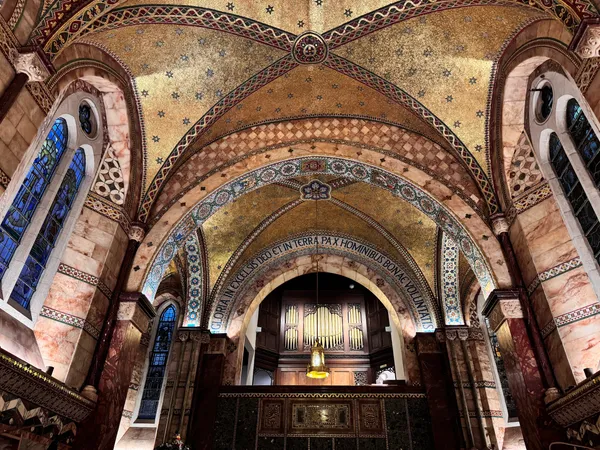
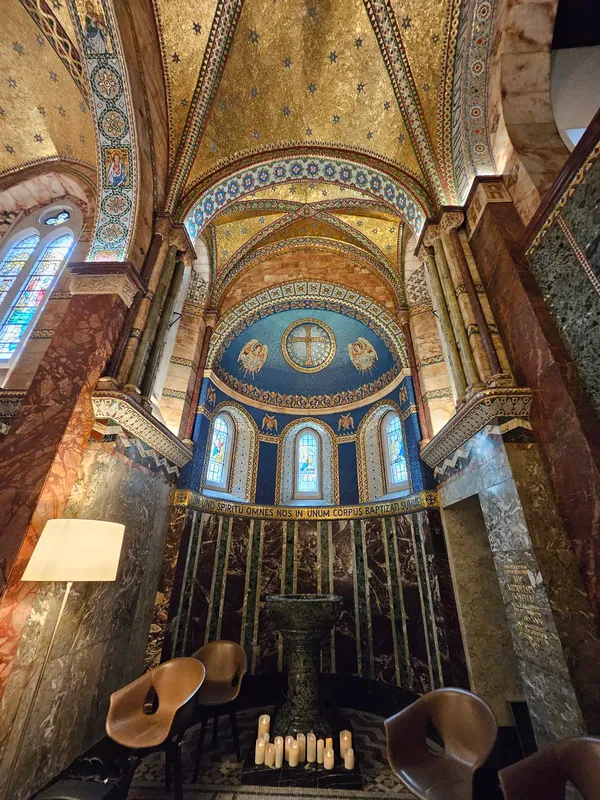
The interior features a rib-vaulted ceiling richly decorated with polychrome marble and mosaics, including blue stars against a gold background representing the firmament.
Look for the Cosmatesque pillar piscina and an aumbry adorned with a white marble carving of the Pelican in her Piety.
The baptismal font is carved from a solid block of green marble and includes a Greek palindrome inscription.
Nearby eats
See more eats
Who it's for
This chapel is for anyone who appreciates detailed architecture, intricate mosaics, and a peaceful atmosphere. It's also a popular venue for weddings and memorials.
Know before you go
The chapel is typically only open to the public on Wednesdays from 11:00 AM to 5:00 PM.
Nearby stays
Reviews
4.8
Exceptional
5 ReviewsVisitors are consistently captivated by the chapel's breathtaking beauty and serene atmosphere, often describing it as a unique and magnificent space in the heart of London. Many appreciate the intricate details and the sense of calm it offers, though its limited opening hours are a common practical note.
Fun facts
The chapel's interior mosaics were completed 32 years after the original architect's death, overseen by his son.
The chapel is unusually aligned on a north-south axis instead of the traditional liturgical east.
The building was preserved as a Grade II* listed building when the Middlesex Hospital, which it was originally part of, was demolished between 2008 and 2015.