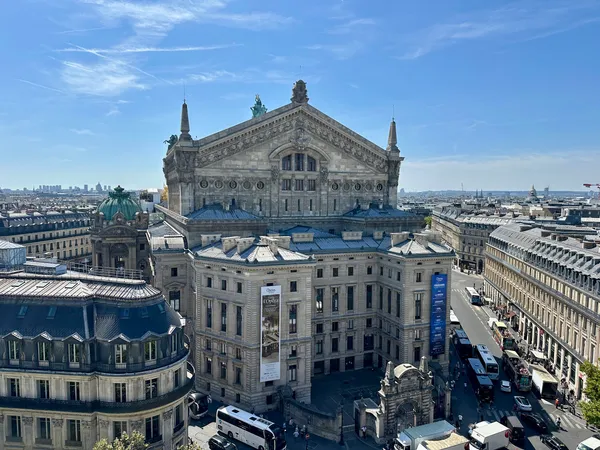
Palais Garnier
4.7
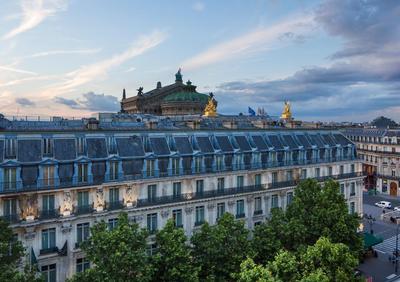
(55.3k)The Palais Garnier is a 19th-century Italian-style opera house built for the Paris Opera, known for its opulent Second Empire and Beaux-Arts architecture. It served as the primary theatre for the Paris Opera and Ballet until 1989 and now mainly hosts ballet performances. The building also houses the Paris Opera Library-Museum.
Worth it?
Worth it if you want to immerse yourself in stunning 19th-century Parisian grandeur and don't mind crowds
Skip if you're looking for a quiet, all-day museum experience
Location
Pl. de l'Opéra, 75009 Paris, France
Nearby places
See more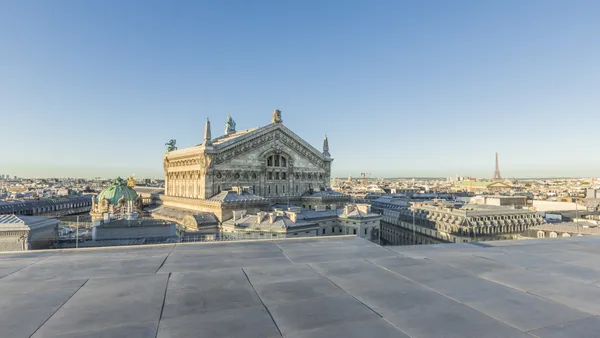
Highlights
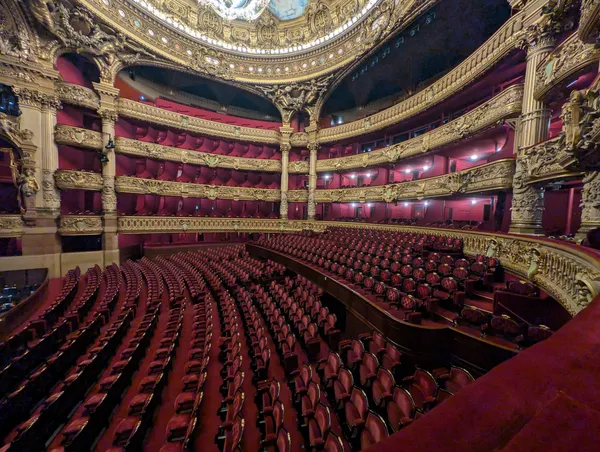
The ceiling of the main auditorium features a painting by Marc Chagall.
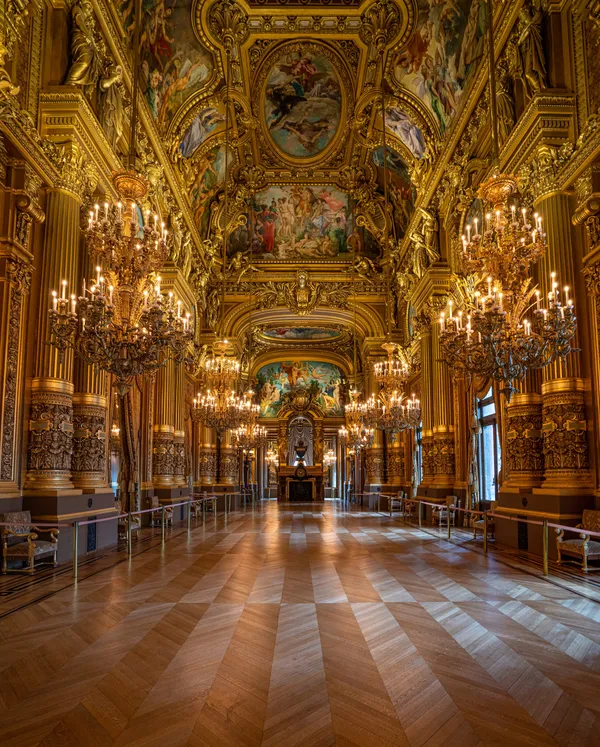
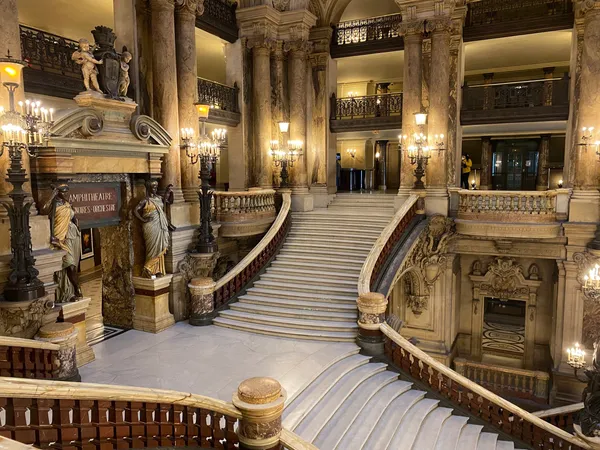
The grand staircases and gilded decorations throughout the building offer numerous photo opportunities.
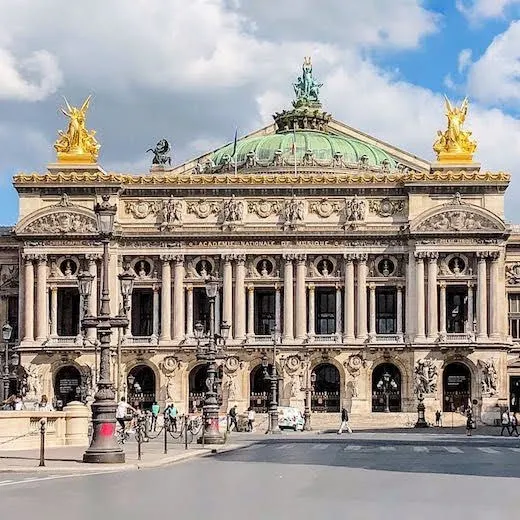
The exterior façade is adorned with seventeen different kinds of material, including elaborate multicolored marble friezes, columns, and lavish statuary depicting Greek mythology.
Nearby eats
See more eats

Who it's for
This is for anyone who appreciates grand architecture, history, and culture, especially fans of opera or ballet. It's also a must-see for those interested in the setting of "The Phantom of the Opera."
Know before you go
Booking tickets in advance is highly recommended to ensure entry and avoid long queues.
Nearby stays
Reviews
4.7
Exceptional
5 ReviewsVisitors are consistently impressed by the Palais Garnier's stunning architecture and elegant atmosphere, often calling it a must-see. Many recommend purchasing tickets early to avoid long waits or being turned away, and some suggest getting the audio guide for a richer experience.
Fun facts
The Palais Garnier was initially referred to as "the new Paris Opera" and became known as Palais Garnier in acknowledgment of its opulence and architect Charles Garnier's designs.
It is considered by some to be the most famous opera house in the world, partly due to its role as the setting for Gaston Leroux's novel "The Phantom of the Opera."
The building's structural system uses masonry walls with concealed iron floors, vaults, and roofs.