Nezu Shrine
4.4
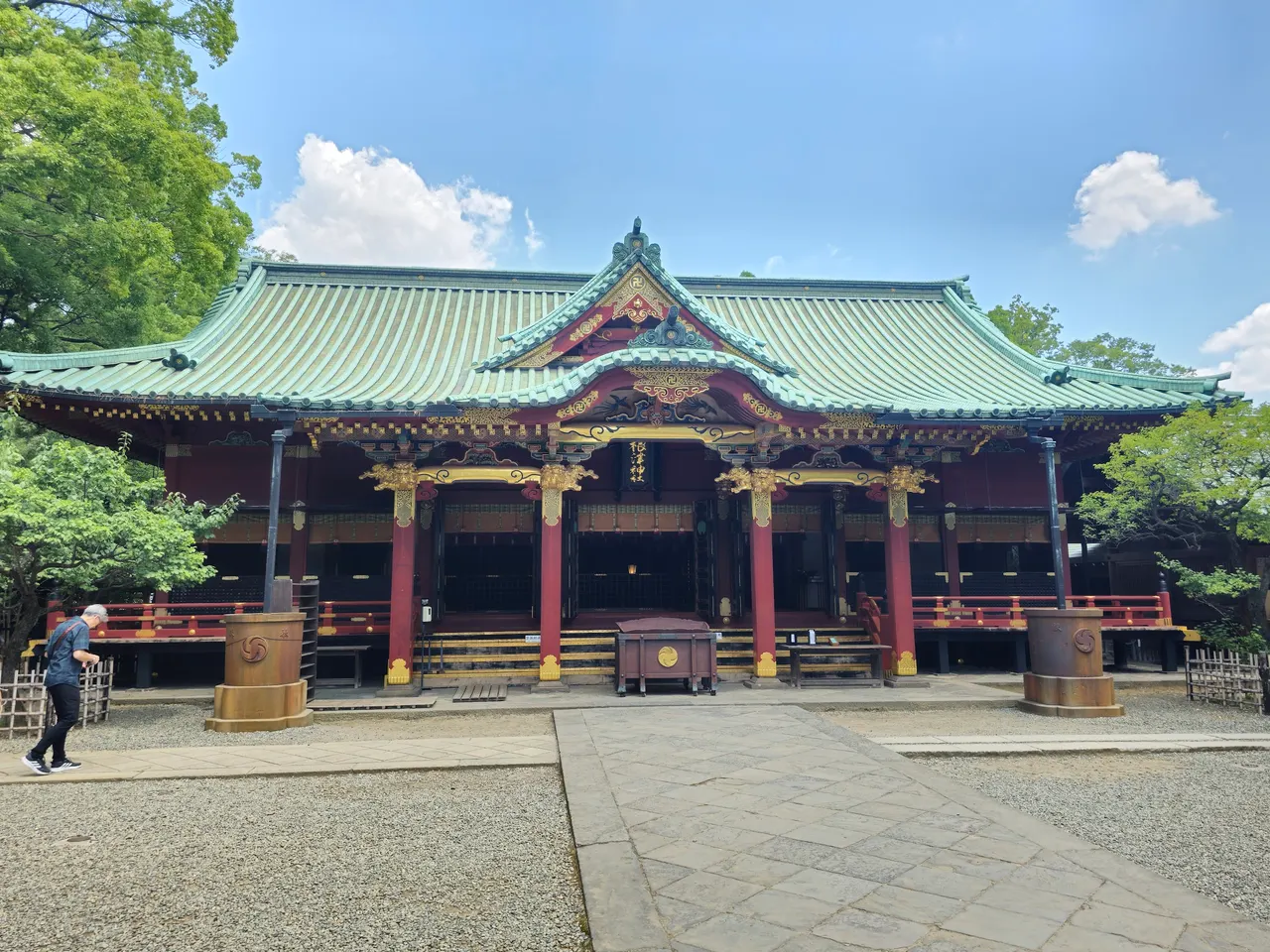
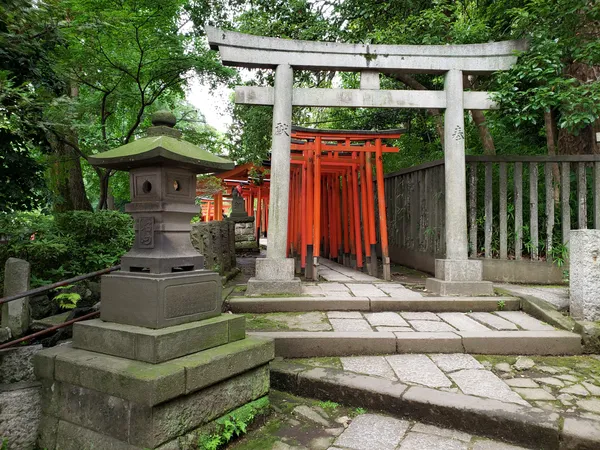
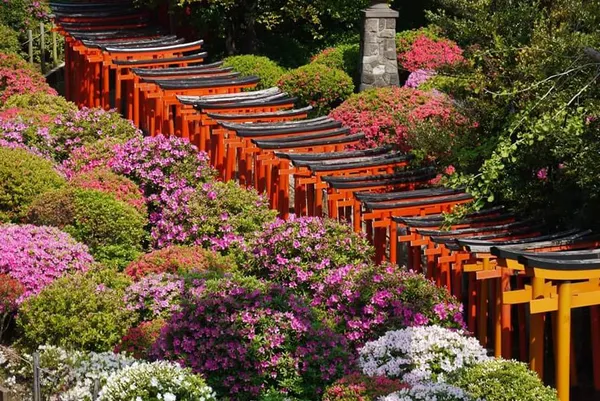
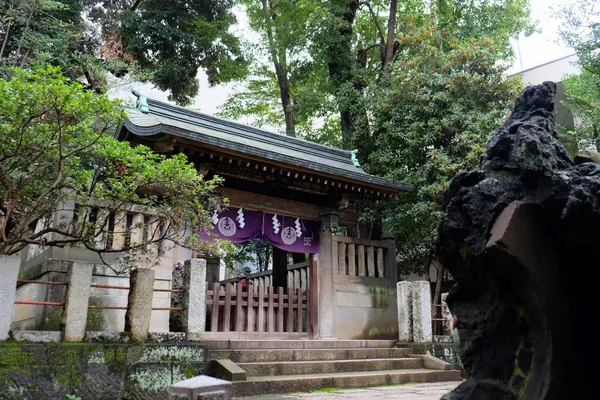
(8.8k)Nezu Shrine is one of Tokyo's oldest Shinto shrines, established in 1705, offering a calm and authentic experience away from the city's busiest tourist areas. It's known for its tunnel-like series of vermilion torii gates and beautiful spring azalea blooms. The shrine grounds are spacious and well-maintained, with traditional architecture.
Address
1-chōme-28-9 Nezu, Bunkyo City, Tokyo 113-0031, Japan
Website
Opening Hours
6:00 AM – 5:00 PM (Thu)
Phone
+81 3-3822-0753
Worth it?
Worth it if you want a quiet, beautiful shrine experience with great photo opportunities
Skip if you're looking for a bustling, high-energy attraction
Location
1-chōme-28-9 Nezu, Bunkyo City, Tokyo 113-0031, Japan
Nearby places
See more
Highlights
Walk through the long path of vermilion torii gates, which leads to the back of the shrine and offers a more intimate experience than larger, more crowded sites.
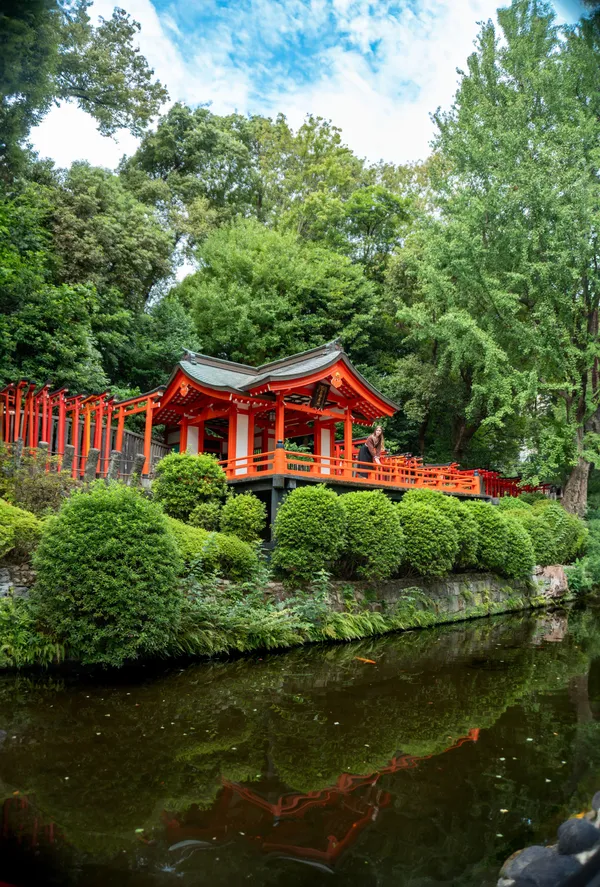
Discover a small Japanese garden with a waterfall along the torii path, creating a serene setting.
Observe turtles and koi in the water, which many visitors find relaxing to watch.
Nearby eats
See more eats

Who it's for
This shrine is perfect for anyone seeking a peaceful escape from the city, especially those interested in traditional Japanese architecture and photography without large crowds. It's also a good option for those visiting the nearby University of Tokyo.
Know before you go
Some areas within the shrine have restrictions on photography and video, so be respectful of these rules.
The Azalea Festival (Tsutsuji Matsuri) is held from early April until early May, making it a particularly spectacular time to visit.
Nearby stays
Reviews
4.4
Very good
5 ReviewsVisitors love Nezu Shrine for its tranquil and authentic atmosphere, often highlighting the beautiful vermilion torii gates and the lack of crowds. Many recommend combining a visit with the University of Tokyo, which is within walking distance.
Fun facts
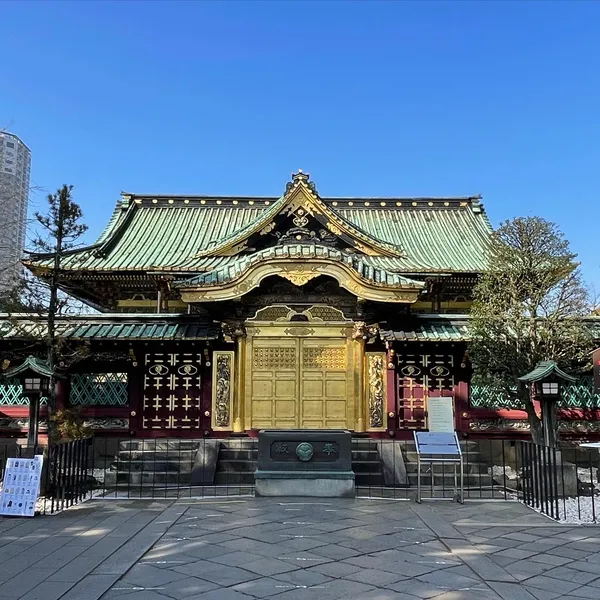
Several buildings on the shrine grounds, including the main hall (honden), tower gate (rōmon), Chinese gate (karamon), and lattice-windowed walls (Sukibei), are designated as Important Cultural Properties.
The shrine was founded in the 1st century by Yamato Takeru, son of Emperor Keikō, according to legend.
The current structures date from 1706 and were built in the Ishi-no-ma-zukuri style of Shinto architecture.