Shinjuku Gyoen National Garden
4.6
(42.6k)Shinjuku Gyoen National Garden is a sprawling 144-acre public garden in Tokyo, offering a peaceful escape from the city's hustle. It blends three distinct styles: traditional Japanese, formal French, and English landscape gardens, complete with ponds, tea houses, and open lawns. Originally an Edo period residence, it became a national garden in 1949 after being rebuilt from wartime damage.
Address
11 Naitōmachi, Shinjuku City, Tokyo 160-0014, Japan
Opening Hours
9:00 AM – 4:00 PM (Thu)
Phone
+81 3-3350-0151
Worth it?
Worth it if you want a spacious, well-maintained green space with diverse garden styles
Skip if you're looking for a free park, as there's an entrance fee
Location
11 Naitōmachi, Shinjuku City, Tokyo 160-0014, Japan
Nearby places
See more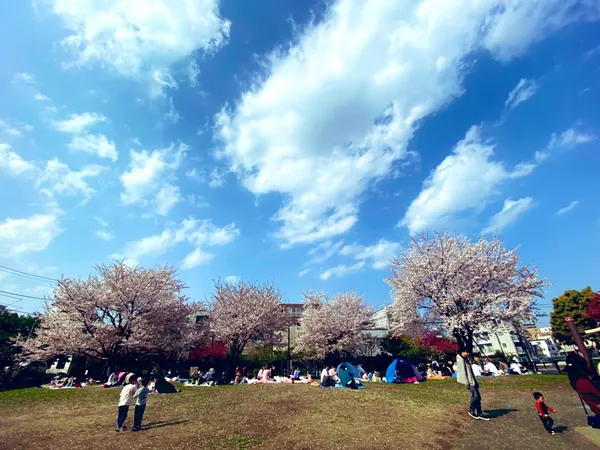
Highlights
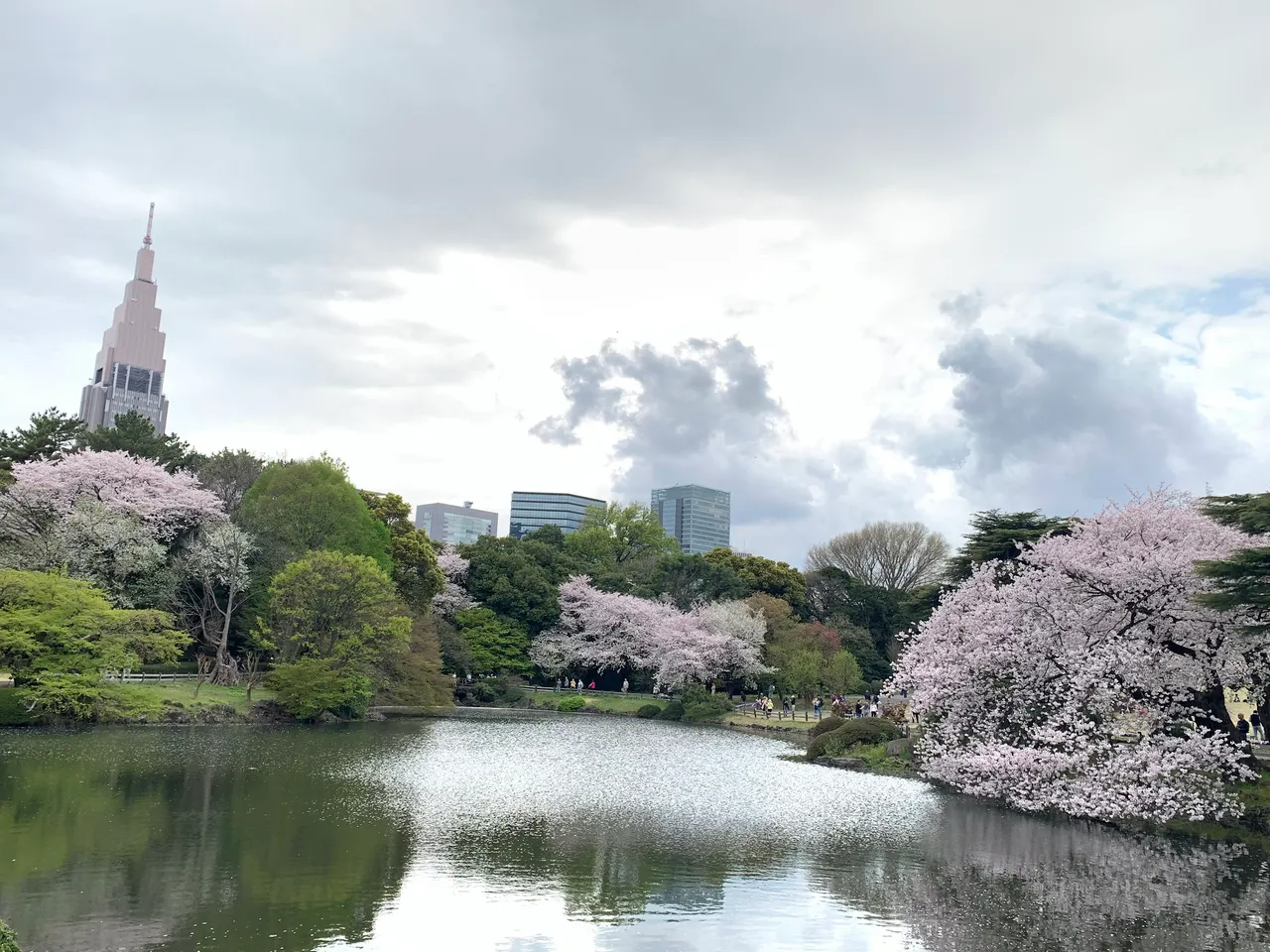
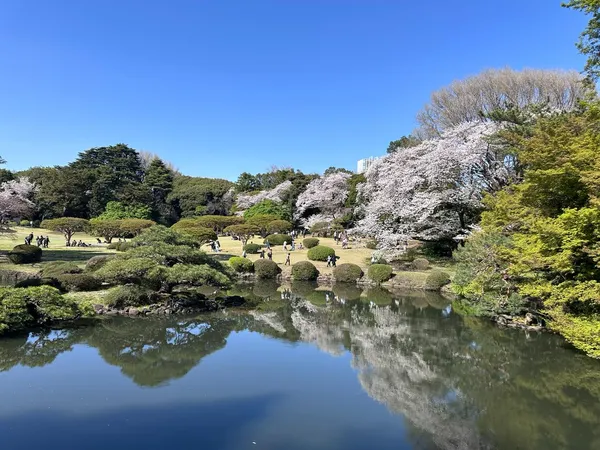
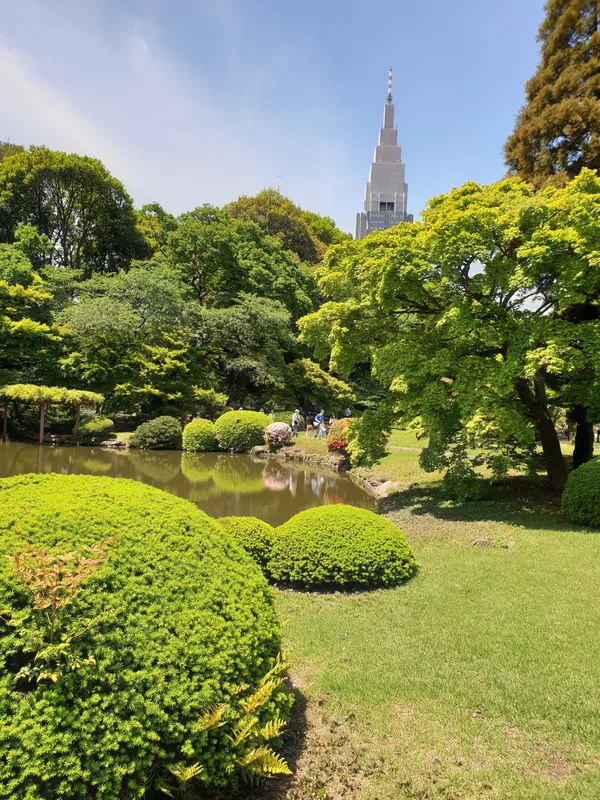
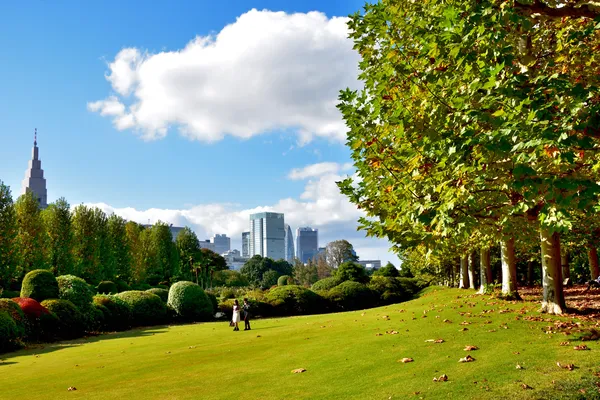
The garden features a traditional Japanese garden with ponds and wooden bridges, an English landscape garden with open lawns and cherry trees, and a formal French garden with symmetric flower beds.
You can enjoy a coffee with a view from the Starbucks located inside the garden.
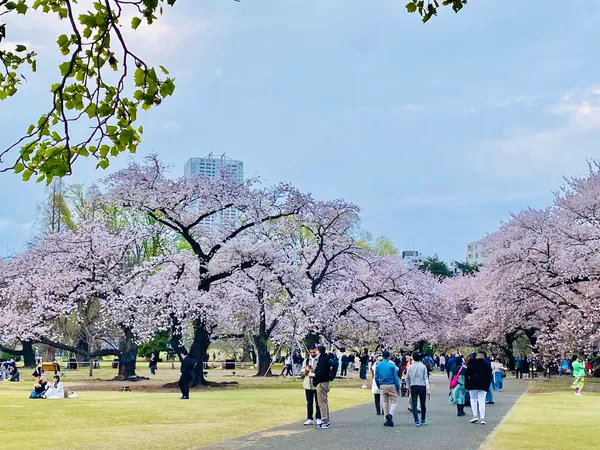
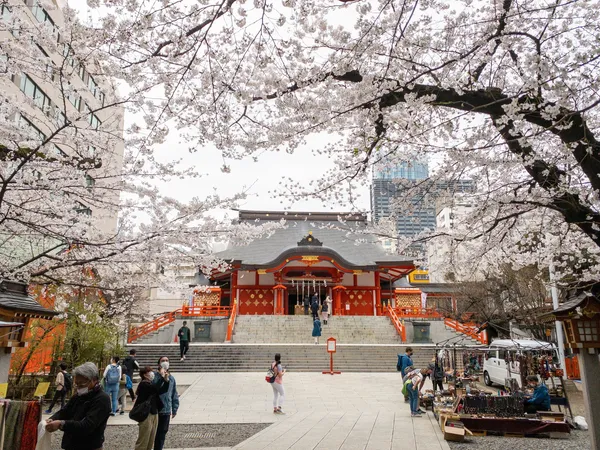
The garden is a popular spot for viewing cherry blossoms in spring, with approximately 1,500 cherry trees blooming from late March to late April.
Nearby eats
See more eats



Who it's for
This garden is ideal for anyone seeking a tranquil break from urban Tokyo, including families, friends, and solo travelers looking for a relaxing outdoor experience. It's also a prime spot for photography and picnics.
Know before you go
The garden is closed on Mondays, except during the cherry blossom season (late March–late April) and chrysanthemum season (first half of November).
If Monday is a public holiday, the garden will be closed the following day.
During cherry blossom season, prior reservations may be required for certain dates.
Admission ends 30 minutes before closing time.
Nearby stays
Reviews
4.6
Exceptional
5 ReviewsVisitors love the beautiful blend of Japanese, French, and English landscapes, noting the seasonal flowers, ponds, and walking paths. They appreciate the reasonable entrance fee, the peaceful atmosphere, and the well-maintained, spacious grounds, which are perfect for picnics and enjoying nature.
Fun facts
The garden was originally a residence of the Naitō family during the Edo period before becoming an imperial garden.
Most of the garden was severely damaged by air raids in 1945 during World War II, with the Taiwan Pavilion being one of the few structures to survive.
The garden was remodeled into its current layout in 1906 by landscape architect Henry Martinet of the École nationale supérieure d'horticulture in Versailles.
The 1989 state funeral rites of Emperor Hirohito were held in the garden.