Ginkaku-ji
4.5
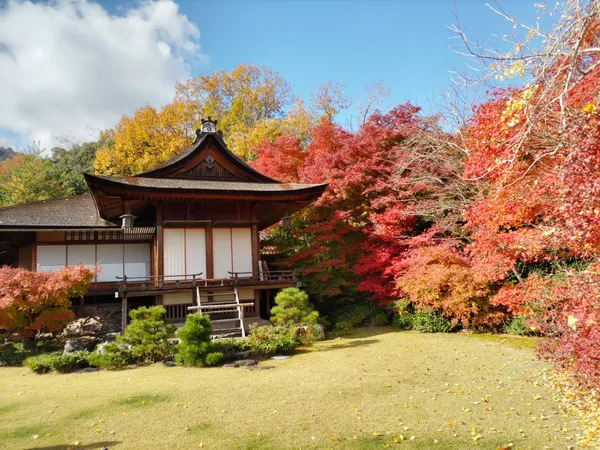
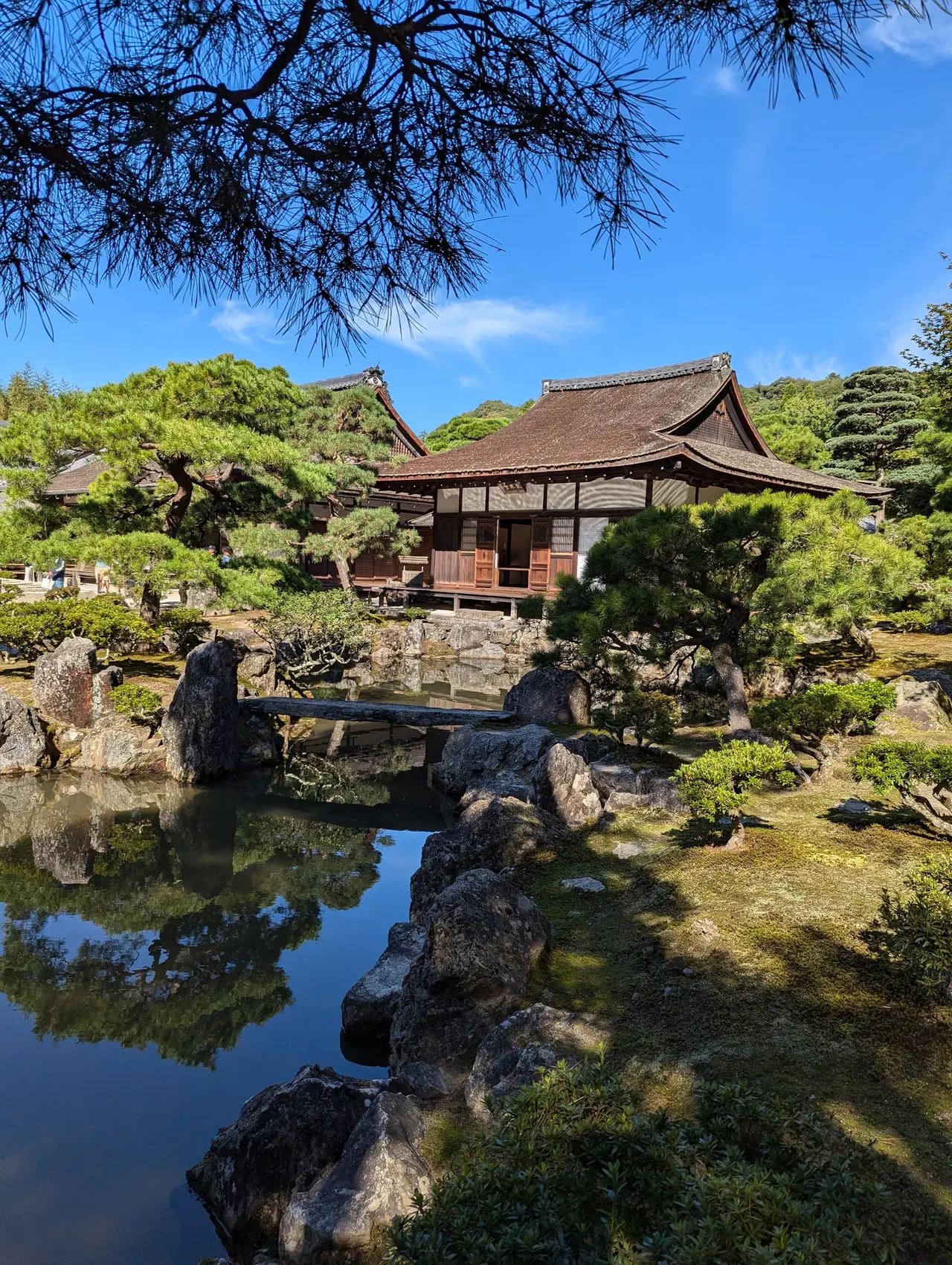
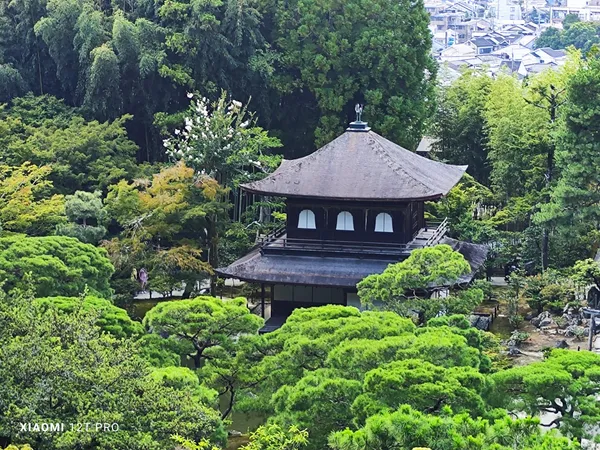
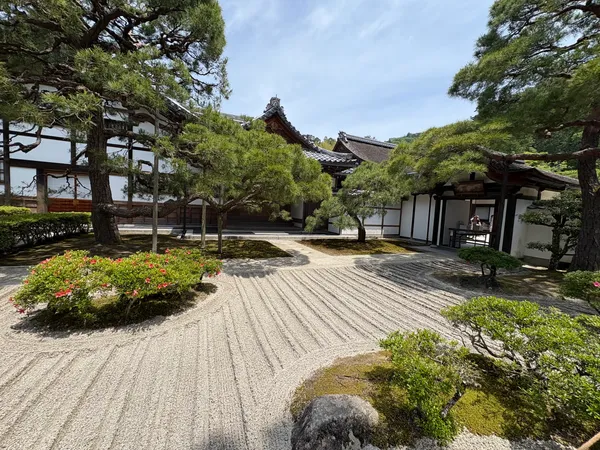
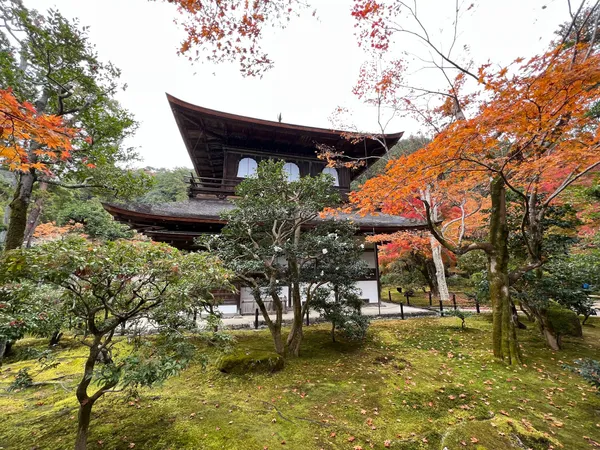
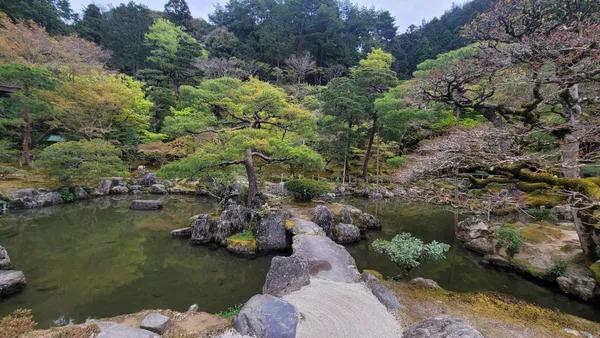
(16.5k)Ginkaku-ji, also known as the Silver Pavilion, is a 15th-century Zen Buddhist temple in Kyoto, renowned for its picturesque gardens and serene atmosphere. It was originally built as a retirement villa for Shogun Ashikaga Yoshimasa and later became a Zen temple. The temple grounds feature meticulously designed gardens with moss-covered paths, raked white sand patterns, and a clear pond.
Address
2 Ginkakujichō, Sakyo Ward, Kyoto, 606-8402, Japan
Opening Hours
8:30 AM – 5:00 PM (Thu)
Phone
+81 75-771-5725
Worth it?
Worth it if you're looking for a tranquil escape and appreciate understated elegance
Skip if you prefer grand, gilded structures over quiet grace
Location
2 Ginkakujichō, Sakyo Ward, Kyoto, 606-8402, Japan
Nearby places
See more
Highlights
The gardens are a major draw, featuring a sand mound shaped like Mount Fuji and carefully raked white sand patterns that create a sense of harmony.
There's an observation point on a hilly slope within the grounds that offers stunning views of Kyoto city.
The clear pond at the heart of the temple grounds is mesmerizing and integrates gently with the surrounding nature.
Nearby eats
See more eats
Who it's for
This temple is ideal for anyone seeking a peaceful walk surrounded by nature and those who appreciate Japanese garden design and Zen culture. It's also suitable for families, as children might enjoy the fish in the ponds.
Know before you go
While the main garden area is relatively flat, there are stairs and hilly slopes to reach the observation point.
The street outside the temple has food stalls and souvenir shops worth exploring after your visit.
Nearby stays
Reviews
4.5
Exceptional
5 ReviewsVisitors consistently praise Ginkaku-ji for its beautiful and well-maintained gardens, highlighting the serene and tranquil atmosphere. Many appreciate the moss-covered paths, perfectly shaped pine trees, and raked white sand patterns, as well as the stunning views of Kyoto from the hillside.
Fun facts
Ginkaku-ji was never actually covered in silver foil, despite its popular nickname, which only dates back to the Edo period.
The present appearance of the main temple structure is believed to be the same as when its founder, Ashikaga Yoshimasa, last saw it, embodying the concept of "wabi-sabi."
The temple's design was influenced by its surroundings, with openings in the walls to view the moonrise over Higashiyama peaks and a library positioned to benefit from reflected light from the lake.